
Debt servicing: China flips from Africa’s top lender to net debt collector
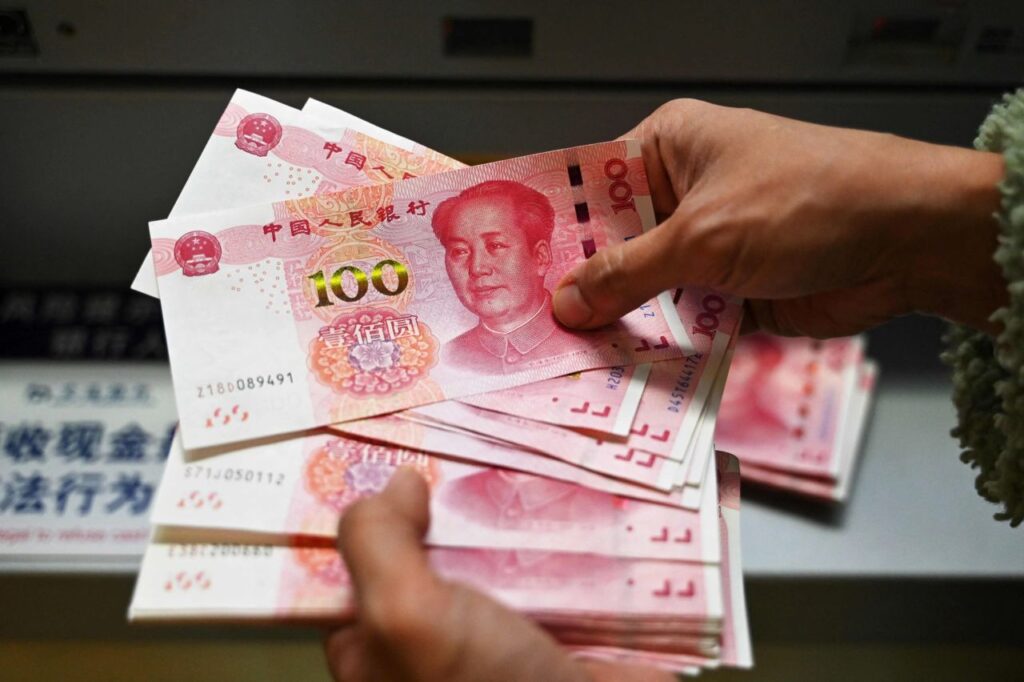
By: Chidozie Nwali China has officially transitioned from being Africa’s largest source of development funding to a net extractor of capital from the continent. Report from Development Finance Observatory (an initiative of ONE Data) confirmed on Tuesday. The data confirms that for the first time in the 21st century, the flow of money from African treasuries back to Beijing now exceeds the amount of new credit China is extending for infrastructure and development. According to the report, the financial relationship between China and African nations has undergone a “Great Reversal.” Over the last decade, the net financial flow (new loans minus repayments) has flipped dramatically: Between 2010–2014 China was a net provider of finance, transferring $30.4 billion to Africa to fuel the massive road and infrastructure boom. However, between 2020–2024 the flow reversed, with Africa paying out a net $22.1 billion back to Chinese lenders. This represents a massive $52.5 billion swing in the continent’s balance of payments in just ten years. “Africa went from receiving $30.4 billion in net flows from China in 2010–14 to paying out $22.1 billion in net flows to China over the last five years, a $52.5 billion swing,” the report said. “The tide has gone out,” says David McNair, Executive Director at ONE Data. “For the rest of this decade, China will be more debt collector than banker to the developing world.” The shift is as a result of loan defaults from few African countries, and a “perfect storm” of peak repayments. Last week, a report from Boston University Global Development Policy (GDP) Center, noted that post pandemic struggles in 2021 forced few African countries to default on their Chinese debt, causing a strategic retreat by Beijing. Many of the massive loans used to build railways in Kenya, ports in Djibouti, and dams in Angola have moved out of their “grace periods” and into high-interest repayment phases. In 2024 alone, debt service outflows to China reached $17.4 billion. New Chinese loan commitments have plummeted. From a high of over $26 billion in 2018, fresh lending fell to just $2.1 billion in 2024—a 46% drop from the previous year. GDP center said Beijing is pivoting away from “vanity projects” toward smaller, more bankable investments in green energy and the private sector, leaving a massive gap in sovereign infrastructure funding. While the trend is continent-wide, the “liquidity squeeze” is hitting specific nations hardest. Countries like Angola, Zambia, Kenya, and Ethiopia—which borrowed heavily during the 2010s—are now facing the dual challenge of high repayment schedules and a lack of new credit to refinance that debt. As Chinese and private sector lending retreats, multilateral institutions like the World Bank and the African Development Bank (AfDB) have become the new bedrock of finance. The report notes that multilateral net financing has increased by 124% over the past decade, now accounting for 56% of all net flows to developing nations. However, experts warn that even this surge may not be enough to offset the “capital flight” caused by Chinese debt servicing, potentially forcing African governments to choose between paying foreign creditors and funding domestic healthcare and education.
PayPal starts operation in Nigeria after decades-long restrictions
By: ThinkBusiness Africa Global payments giant PayPal has officially ended its 22-year restriction on inbound payments to Nigeria on Tuesday, through a historic technical integration with local fintech leader Paga. millions of Nigerian users can now receive international payments and withdraw funds directly in Naira for the first time since 2004. The move marks a pivotal shift in PayPal’s African strategy. For two decades, Nigerian accounts were limited to “send-only” status—a policy that frustrated a generation of freelancers, exporters, and digital creators who were forced to use expensive intermediaries or offshore accounts to collect their earnings. The service is not a standalone relaunch but a strategic partnership that uses Paga’s deep local infrastructure as a compliance and settlement “bridge.” Users can now link their Nigerian PayPal accounts to their Paga digital wallets via the Paga app or website. Once linked, the “Receive” functionality is unlocked. Funds sent from over 200 countries flow into the PayPal account and can be instantly transferred to the Paga wallet. From the Paga wallet, users can convert their balance to Naira to pay local bills, transfer to any Nigerian bank, or spend using Paga’s Visa cards. Notably, the deal also allows Nigerians to receive money directly from Venmo users in the United States, leveraging PayPal’s internal interoperability. Paga’s Founder and Group CEO, Tayo Oviosu, revealed that the deal was the culmination of over a decade of persistence. Oviosu first pitched the collaboration to PayPal in 2013, but regulatory concerns and fraud-prevention hurdles delayed the rollout. “This moment is about more than a single announcement; it’s about patience and building trusted local infrastructure,” Oviosu stated. “Until now, the door was only half-open. Today, we’ve unlocked it fully for the Nigerian creator economy.” PayPal’s Senior VP for Middle East and Africa, Otto Williams, noted that the partnership aligns with the company’s “PayPal World” strategy—a 2026 initiative focused on wallet interoperability rather than traditional banking. By partnering with Paga, PayPal leverages a partner that already manages 21 million users and adheres to strict local KYC (Know Your Customer) and anti-money laundering (AML) protocols. Economic Implications For Nigeria’s burgeoning gig economy—valued at billions of dollars but often hamstrung by payment barriers—the news is transformative. With the ability to earn in foreign currency and settle locally through a regulated channel, Nigerian freelancers are now on equal footing with their global peers.
Nigeria’s new oil discovery to drive revenue and national energy security
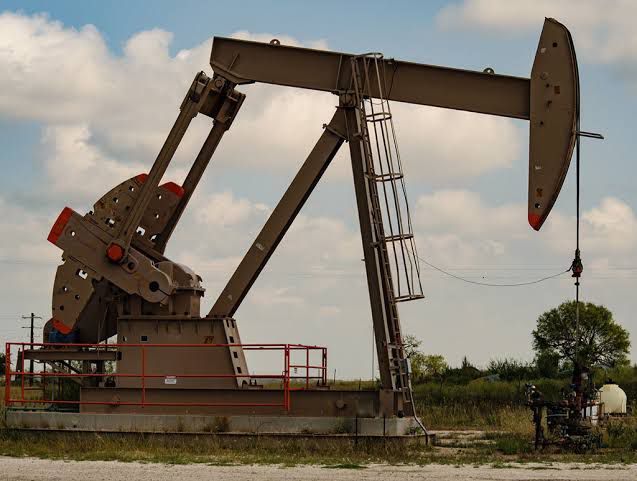
By: ThinkBusiness Africa The Nigerian National Petroleum Company Limited (NNPC Ltd) has announced on Monday a significant hydrocarbon discovery at the Awodi-07 appraisal and exploration well, marking a major boost for Nigeria’s offshore oil production. According to a statement from NNPC, the discovery was made by the NNPC Ltd/Chevron Nigeria Limited (CNL) Joint Venture in the shallow offshore waters of the western Niger Delta. Drilling operations for the Awodi-07 well commenced in late November 2025 and were concluded by mid-December 2025. NNPC said it confirmed the presence of hydrocarbons across multiple reservoir zones in the well, significantly strengthening confidence in the asset’s long-term potential. Engr. Bashir Bayo Ojulari, Group Chief Executive Officer of NNPC Ltd, lauded Chevron for its technical excellence and operational discipline. This discovery comes at a critical time for the Nigerian state owned oil company, which has set a conservative national production target of 1.8 million barrels per day (bpd) for 2026, with the goal of reaching 2 million bpd by 2027. “The success of the Awodi-07 well further reinforces the strength of the NNPC Ltd/CNL Joint Venture,” Ojulari stated. “This achievement aligns squarely with our strategic priorities of increasing production, enhancing national energy security, and delivering sustainable value for the Nigerian people.” The discovery is part of a broader strategic collaboration between NNPC Ltd and Chevron, where NNPC holds a 60% stake and Chevron holds 40%. The partners are currently working to scale up oil production to approximately 146,000 barrels per day (bpd). NNPC noted that this increased output is expected to: boost government revenue, stimulate the local economy through energy-sector employment, and ensure a stable supply of resources for domestic and international markets. The Awodi-07 well has been safely secured following the completion of data acquisition and testing, as the Joint Venture prepares for the next phase of development.
Industrial group Mark Cables boosts Burkina Faso power supply with $213M investment
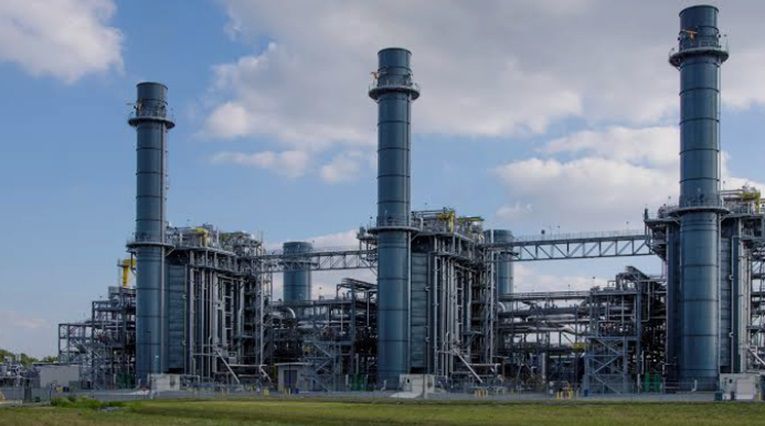
By: ThinkBusiness Africa In a major move to tackle chronic energy shortages in West Africa, Dubai-based industrial giant Mark Cables FZE said on Monday that it has successfully developed a 200-megawatt (MW) thermal power plant project in Burkina Faso. The project, valued at approximately €180 million ($213 million), was remarkably completed in just six months. This rapid deployment marks a critical milestone for the landlocked nation, where energy security has long been a hurdle for both industrial growth and humanitarian stability. Burkina Faso currently faces one of the lowest electrification rates in the world. According to World Bank data, only about 20% of the population has access to reliable electricity. Traditionally, the country has relied heavily on power imports from neighboring coastal states like Ivory Coast and Ghana. “By providing 200 MW of additional capacity, Mark Cables offers a concrete solution to the national electricity deficit,” the company said in a statement. The group emphasized that the new facility will support government efforts to stabilize the national grid and reduce the fiscal burden of importing energy. The six-month timeline is exceptionally aggressive for a project of this scale. The plant is expected to provide essential baseload power, which is necessary for: mining operations by supporting the gold mining sector, which accounts for roughly 80% of the country’s exports. Also, reducing the frequency of “load shedding” (rolling blackouts) that plagues the capital, Ouagadougou, and strengthening infrastructure in a region currently navigating complex geopolitical and security challenges. Headquartered in Dubai’s Jebel Ali Free Zone, Mark Cables has transitioned from a specialized manufacturer of power cables and conductors into a prominent Independent Power Producer (IPP). With existing operations in Angola, Rwanda, and South Africa, this latest project cements their position as a key player in Africa’s infrastructure landscape. While the country is also moving toward renewable energy through initiatives like the “Desert to Power” project, this thermal installation provides the immediate, high-capacity “bridge” required to meet the nation’s urgent demands today.
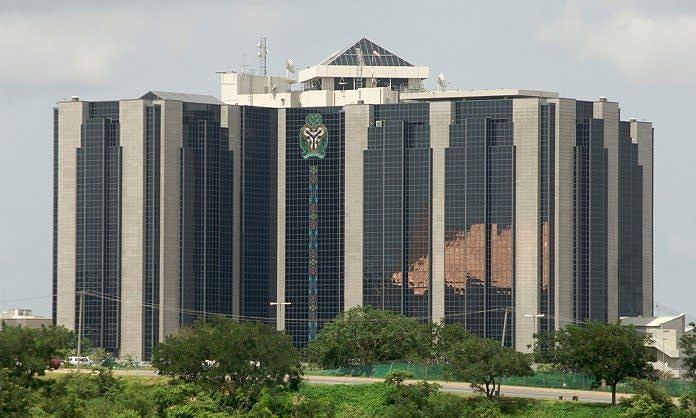
Nigeria’s private sector borrowing climbs 1.6% amid sectoral rebound By: ThinkBusiness Africa Borrowing by Nigeria’s private sector recorded a vital end-of-year lift, climbing to N75.8 trillion in December 2025. The 1.6% month-on-month increase from November’s N74.63 trillion signals a tactical rebound in lending as businesses capitalized on easing monetary signals to fund a surge in late-year economic activity. According to the latest “Money and Credit Statistics” from the Central Bank of Nigeria (CBN), the N1.17 trillion injection marks a turning point after a volatile year. Private sector credit had plummeted to a yearly low of N72.52 trillion in September, but the tide began to turn following the CBN’s strategic decision to cut the Monetary Policy Rate (MPR) to 27% late in the third quarter. The recovery in borrowing was mirrored by a significant jump in productivity. The CBN’s Composite Purchasing Managers’ Index (PMI) hit 57.6 points in December—the strongest momentum in five years. Leading the rebound, the agricultural sector posted a PMI of 58.5 points. Lending was driven by a push for mechanization and crop production, which reclaimed its status as Nigeria’s largest GDP driver in late 2025. The industrial sector followed closely with a PMI of 57.0 points. Credit availability improved for small businesses and large private corporations, as firms ramped up inventory and capital investments for the 2026 fiscal year. While the volume of credit is rising, the landscape remains complex. The Q4 2025 Credit Conditions Survey revealed that while banks are more willing to lend, they are also grappling with higher default rates among households and businesses. The data also highlights a massive 29.5% surge in credit to the government, raising concerns about the continued “crowding out” of private firms despite the month’s gains. Analysts note that while the December figure is a win for short-term momentum, the private sector is still playing catch-up. The N75.8 trillion total remains 2.8% lower than the N78.02 trillion recorded in December 2024. Other top African economies recorded higher private sector borrowings. South Africa maintained a steadier growth trajectory throughout 2025, reaching a year-on-year high of 7.79% by November. Unlike Nigeria, which saw a net contraction over the full year, South Africa’s credit growth was bolstered by an improved fiscal outlook and a rebound in gross fixed capital formation. However, Nigeria’s PMI (54.0) outperformed South Africa’s (48.8) in late Q4, suggesting that while South African banks were lending more, Nigerian businesses were potentially more active in terms of output and new orders. The rebound suggests that the CBN’s shift toward a more accommodative stance is beginning to filter through the banking system, providing a “liquidity cushion” for a private sector that spent most of 2025 in a high-interest-rate chokehold.
SEC recapitalization: Nigeria’s bold play for Africa’s investment crown
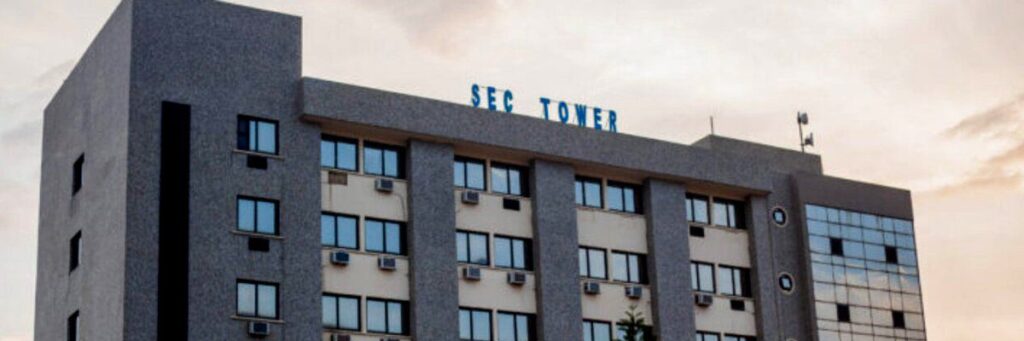
By: Chidozie Nwali For years, Nigeria’s capital market has lived with a paradox: it possessed the ambition of a global heavyweight but the financial “skin” of a lightweight. That era however, seems to be coming to an end. Earlier this January, the Securities and Exchange Commission (SEC) in its Circular 26-1, initiated the most aggressive recapitalization exercise in a decade. By hiking thresholds by as much as 4,000% and setting a firm 18 months (June 30, 2027) deadline; just two months after moving from historical T+3 to T+2 settlement circle; signaling a”Great Reset” is underway, and Nigeria is building a fortress. Life in a T+2 Market While the talk of billions in new capital is the “hardware” upgrade for 2027, the market’s current “software” is already running faster. Last November, Nigeria successfully transitioned to a T+2 (Trade Date plus two days) settlement cycle. This move from T+3 was more than a technical adjustment; it was a 33% increase in the velocity of capital. The Nigerian Exchange crossed N100 trillion ($66.6 billion) capitalization this January, and returned 51.19% in 2025 adding over N36.6 trillion in value within a single year. “The transition to T+2 is not merely an operational achievement; it is a strategic signal. It represents a deliberate step toward strengthening investor confidence and firmly positioning our market within the standards that define world-class financial systems,” says Haruna Jalo-Waziri, MD/CEO of Central Securities Clearing System. For the average investor, this means liquidity is no longer “trapped.” A sell order on Monday now puts cash in an investor’s hands by Wednesday. This operational efficiency is part of the SEC’s larger vision. The Rapitilization: Why N7 Billion Matters The SEC’s new capital floors are designed to eliminate the “briefcase broker” and birth a new class of “Super-Operators.” Under the new regime, the requirement for an Issuing House with Underwriting has jumped from N200 million to a staggering N7 billion. “Our goal is a $1 trillion economy,” SEC Director-General Dr. Emomotimi Agama noted in his 2026 strategy unveiling. “This recapitalization is a necessary step toward building a reinforced intermediary base that can channel disciplined capital into productive sectors like rail, power, and digital infrastructure.” He said. By forcing firms to hold more “skin in the game,” the SEC is ensuring that even in global uncertainties Nigerian firms won’t collapse. This resilience is the ultimate “safety net” for the domestic and international capital the country desperately seeks. The “Great Reset” is an aggressive bid for continental dominance. By combining the current T+2 speed with high capital buffers, Nigeria is positioning its stock exchange market, Nigerian Exchange (NGX) as the “High-Velocity Alternative” to the Johannesburg Stock Exchange (JSE) in South Africa with the largest capitalization ($1.4 trillion ) in Africa, and Nairobi Stock Exchange (NSE), Kenya. “Our priority is to ensure the capital market remains attractive and forward-looking. Markets are now attracting bigger companies, and we are creating the ecosystem where supply meets demand and exits become sustainable.” Says Temi Popoola, GMD/CEO of NGX Group The 18-Month Race The June 2027 deadline is already casting a long shadow. Industry experts, including Prof. Uche Uwaleke, Nigerian first Professor of Capital Markets predicted a “Merger Mania” similar to the 2004 banking consolidation. Smaller firms must now choose: merge, downscale their licenses, or seek foreign strategic partners. “The banking sector has recapitalized, and the insurance sector is undergoing it; now it is the turn of capital market operators,” analysts at ThisDay noted. This consolidation is expected to create firms capable of trading not just in Lagos, but across all West African markets. The “Great Reset” is a two-act play. Act One was the successful move to T+2 late last year, proving technical modernization. Act Two is the 2027 recapitalization, providing the “shock absorbers” for a $1 trillion future. Nigeria has spent years talking about its potential. With the fortress built and the engines running at T+2, it is finally putting its money where its mouth is.
Historic: Gold rises to $5,000 per ounce as geopolitical tensions rattles global markets

By: ThinkBusiness Africa Gold prices rose past the historic $5,000 per ounce threshold early Monday, as a relentless wave of safe-haven buying swept global markets. Data from tradingview shows the precious metals reached an all-time high of $5,081.18, driven by a volatile wave of aggressive U.S. tariff threats and escalating military tensions in the Middle East. The primary catalyst for Monday’s surge remains the deepening rift between the United States and its European allies over Greenland. Following President Trump’s recent moves to press for the acquisition of the autonomous territory, the administration has threatened a “sliding scale” of tariffs—starting at 10% and potentially reaching 25% by June—on eight NATO and EU nations, including Denmark, France, and Germany. In a dramatic escalation over the weekend, the White House further expanded its trade offensive, threatening a 100% tariff on Canadian goods and 200% on French wines. Middle East Tensions and the “Board of Peace”, created at the World Economic Forum (WEF), last week are adding fuel to the rally, and intensifying threats from Iran. Following reports of a significant U.S. naval mobilization in the region, Tehran warned it is “ready for war” and may target U.S. bases if military pressure continues. Market anxiety is also high regarding the proposed “Board of Peace,” a U.S.-led initiative intended to bypass traditional United Nations channels for conflict resolution. Critics argue the move undermines international law, while markets view the resulting diplomatic uncertainty as a clear signal to move into non-sovereign assets. The rally isn’t limited to gold. Silver shattered its own psychological ceiling on Friday, crossing $100 per ounce for the first time in history. As the U.S Federal Reserve prepares for its January 27–28 meeting, many institutions are already revising their targets. While gold has already gained 17% in the first three weeks of 2026, some technical analysts suggest that if the Greenland dispute remains unresolved, the metal could test $6,000 per ounce by early April. With central banks—led by China—continuing a 14-month buying spree and retail investors piling into Exchange-traded funds , the yellow metal has reclaimed its throne as the world’s ultimate arbiter of fear.
AfCFTA Secretary-General, Nigeria’s Finance Minister to Lead Key Discussions at Africa Business Convention 2026
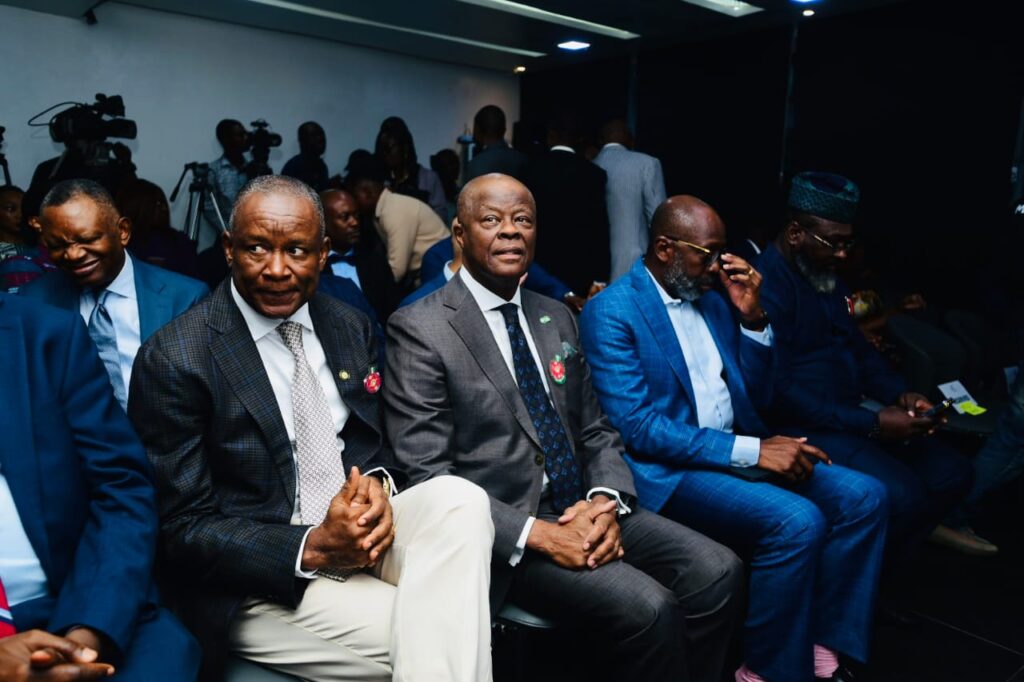
LAGOS, Nigeria — The Secretary-General of the African Continental Free Trade Area (AfCFTA), Wamkele Mene, and Nigeria’s Minister of Finance and Coordinating Minister of the Economy, Wale Edun, will headline the 2026 edition of the Africa Business Convention (ABC), scheduled for February 3–4 at the Lagos Continental Hotel, Lagos, Nigeria. Now in its fifth year, the Africa Business Convention has established itself as a premier B2B platform for high-level dialogue, deal-making, and investment collaboration across the continent. Since inception, the Convention has attracted over 8,700 including online delegates and 140 speakers from Africa and beyond, making it a key contributor to the evolving economic discourse. Themed “Africa Grow”, ABC 2026 will focus on Africa’s emerging priorities, including fiscal stability, trade integration, food security, public-private partnerships, and innovation. Discussions will be structured around six strategic pillars: Agriculture and Food Security (AFS), Banking, Investments and Capital (BIC); Environmental, Social, and Governance (ESG); FinTech, Innovation and Technology (FIT); Jobs, Economy and Trade (JET); and Power, Infrastructure and Energy (PIE). Other speakers include Dr. Emomotimi Agama, Director-General of Nigeria’s Securities and Exchange Commission (SEC); Sanyade Okoli, Special Adviser to the President of Nigeria on Finance and Economy; and Dr. Olumide Abimbola, Founder and Director of the Africa Policy Research Institute (APRI), alongside a notable line-up of policymakers, business leaders, and innovators. The diverse representation underscores the depth of perspectives shaping Africa’s economic transformation. Speaking on the event, Ogho Okiti, Founder and Convener of the Africa Business Convention, said the 2026 edition will consolidate ABC’s role as a critical platform for aligning policy, capital, and enterprise across Africa. He said: “The Africa Business Convention was created to serve as a credible bridge between government, capital providers, and the private sector. Over the years, we have intentionally built a platform that prioritizes substance, outcomes, and partnerships that translate into real economic value for the continent.” Noting that ABC 2026 is particularly timely given Africa’s current economic realities, Okiti continued: “As African economies navigate global uncertainty and domestic reform priorities, coordinated action across public and private sectors has become imperative. ABC 2026 is designed to convene decision-makers who are shaping policy, deploying capital, and building enterprises that will define Africa’s growth trajectory in the years ahead.” “The Convention is expected to deliver stronger business-to-business and government-to-business collaborations, increased cross-border investment flows, and scalable growth opportunities for African enterprises,” he added. The Convention will be supported by key media platforms including Business Insider Africa, Business In Africa (publishers of Techpoint and Finance in Africa), Nairametrics, MoneyLine With Nancy, and Arbitez. About Africa Business Convention (ABC) The Africa Business Convention is a premier convening of government officials, business leaders, investors, and innovators working to unlock Africa’s economic growth and integration. Through strategic dialogues, collaboration, and deal facilitation, ABC seeks to champion enterprise, attract investment, and create opportunities for inclusive prosperity across Africa. For more information, visit: https://africabusinessconvention.com
Afreximbank cut ties with Fitch ratings citing ‘flawed’ models
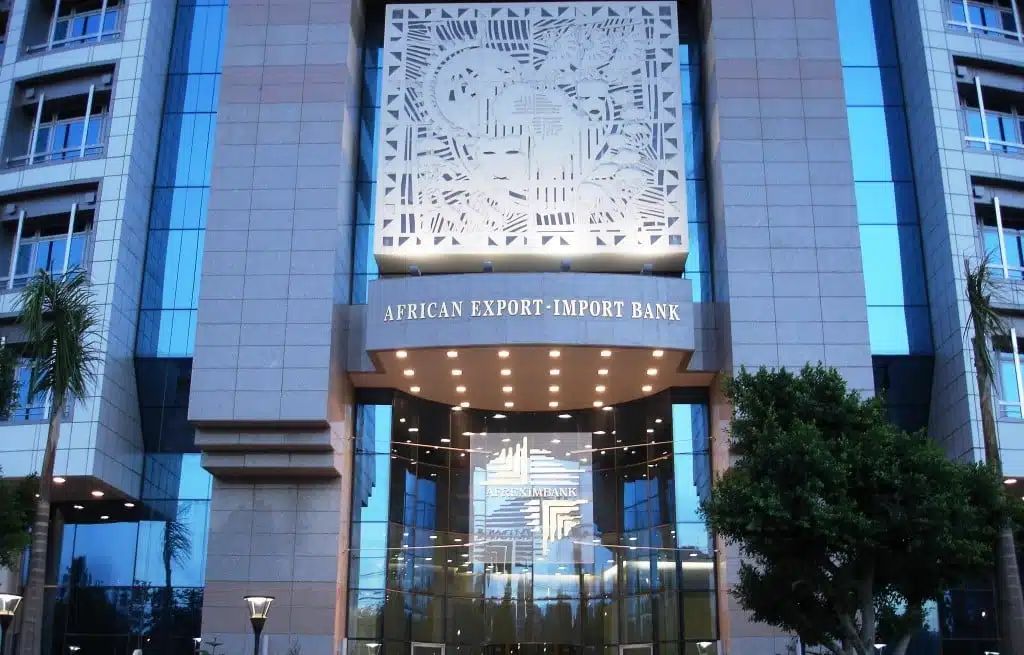
By: ThinkBusiness Africa The African Export-Import Bank (Afreximbank) officially terminated its relationship with Fitch Ratings on Friday. After a long-simmering dispute, Afreximbank said its Non-performing-Loans (NPLs) were miscalculated. Afreximbank cited in a statement that the partnership ended after a rigorous review, concluding that Fitch’s methodologies failed to grasp the bank’s unique legal protections and its fundamental mission. In 2025, Fitch downgraded the Cairo-based lender to BBB- with a negative outlook. Amid the split is a fundamental disagreement over NPLs and the sanctity of Preferred Creditor Status (PCS). Fitch’s analysts calculated Afreximbank’s NPLs ratio at 7.1% by the end of 2024, including risk of default exposures to nations like South Sudan and Zambia. Afreximbank countered that its actual NPL ratio sat at a much leaner 2.4%. Afreximbank argues that its “Establishment Agreement”—a treaty signed by member states—grants it immunity from sovereign debt restructurings. Fitch, however, believed those nations would likely default on their loans and treated these sovereign exposures as high-risk, a move the African Union (AU) previously labeled as “flawed” and “pro-cyclical.” “The credit rating exercise no longer reflects a good understanding of the Bank’s Establishment Agreement, its mission, and its mandate,” the bank said. While the bank has severed ties with Fitch, it maintains a robust and diverse credit profile supported by several other major international and regional agencies. As of early 2026, Afreximbank’s creditworthiness is anchored by a AAA rating from China Chengxin (CCXI), which remains a critical gateway for the bank’s activities in the Chinese “Panda” bond market. Regionally, the bank holds an A rating from GCR Ratings, reflecting its strong Pan-African footprint, while Japan Credit Rating (JCR) maintains an A- rating, which is essential for the bank’s continued access to the Japanese “Samurai” bond market. Furthermore, Moody’s continues to provide a primary link to Western capital markets with a Baa2 rating and a stable outlook, ensuring the bank remains attractive to a broad base of global investors despite the Fitch exit. For years, African leaders have complained about the higher interest rates paid by African entities due to what they perceive as biased risk assessments by the “Big Three” agencies (S&P, Moody’s, and Fitch). Experts at South African Institute of International Affairs (SAIIA) said miscalculations from the “Big Three” are costing the continent $74.5 billion investment loss annually.
Nigeria expects multi-billion dollar investment as shell moves on offshore projects
By: ThinkBusiness Africa President Bola Tinubu has approved “investment-linked” incentives to fast-track Shell’s long-delayed Bonga South West deepwater oil project, aimed at revitalizing Nigeria’s energy sector, According to a statement from the presidential spokesman, Bayo Onanuga on Thursday, the approval marks a breakthrough for a project that has sat on the shelf for nearly a decade, potentially unlocking $20 billion in total investment. President Tinubu emphasized that these incentives are not “blanket concessions” but are specifically structured to attract fresh capital while protecting existing government revenue. “These incentives are ring-fenced and investment-linked, focused strictly on new capital and incremental production, strong local content delivery, and in-country value addition,” the President stated. The President directed his Special Adviser on Energy, Olu Verheijen, to immediately begin the gazetting process to ensure the terms are legally integrated into Nigeria’s fiscal framework. The Bonga South West project is expected to be a cornerstone of Nigeria’s economic recovery. The field is estimated to produce approximately 150,000 barrels of oil per day, significantly aiding Nigeria’s goal of reaching 2 million barrels per day. Also, The revival of the project is expected to bring idle fabrication yards back to life, creating thousands of direct and indirect jobs for Nigerian engineers and technicians.The multi-billion dollar investment is poised to provide a massive injection of foreign currency and long-term revenue for the federation. The President set a firm deadline for the project, stating his clear expectation that a Final Investment Decision (FID) be reached within his first term—specifically before May 2027. “My expectation is clear: Bonga South West must reach a Final Investment Decision within the first term of this administration,” he said. Shell CEO Wael Sawan praised the administration’s reforms, noting that Nigeria’s investment climate has “improved remarkably.” He revealed that Shell and its partners have already invested nearly $7 billion in Nigeria over the last 13 months, including work on the Bonga North and HI projects, which he cited as evidence that the government’s energy-sector reforms are yielding tangible results. Last year, Shell invested $2 billion in the Nigerian gas sector. The HI gas project, located in the shallow offshore field (OML 144), is projected to begin delivering approximately 350 million standard cubic feet of gas per day (mmscf/d) from 2028.