
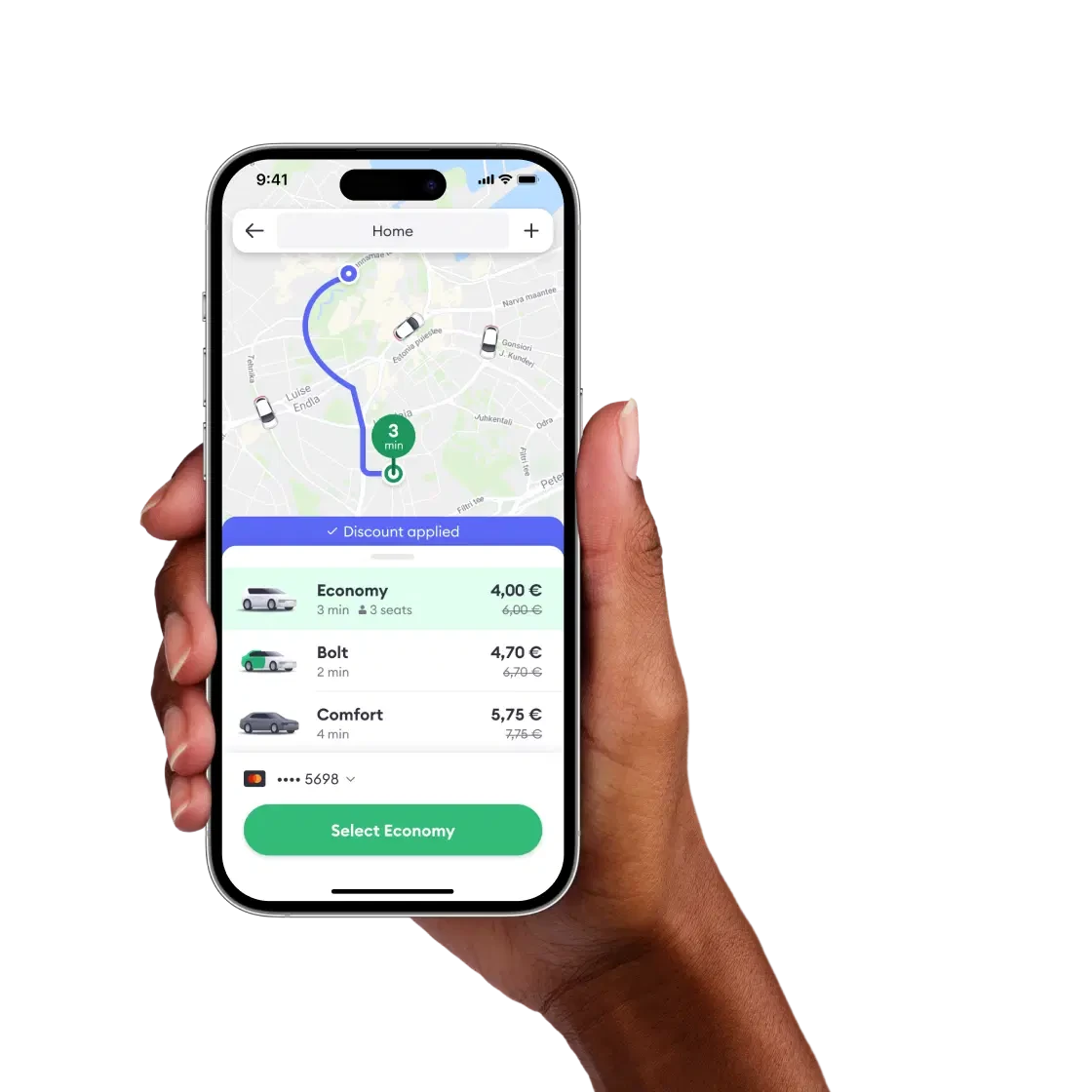
Estonian mobility giant Bolt has pledged to remain in Nigeria and expand operations, countering market anxiety following rival Uber’s exit from the country and Uganda effective September 2.
In a statement, Senior General Manager for Bolt West Africa, Teddy Appa-Dankyi, reaffirmed that Nigeria remains an irreplaceable growth market despite macro-environmental headwinds.
“We recognize that there is understandably some uncertainty following recent developments in the industry,” Appa-Dankyi said, adding that Bolt remains focused on long-term investments, driver earnings, and sustainable mobility solutions.
“Nigeria remains an important market for Bolt, and we remain firmly committed to the country. We have built a strong community of riders and driver partners over the years, and our focus is on continuing to serve them while strengthening our operations and creating more opportunities across the market,” Appa-Dankyi said.
Uber’s abrupt departure after 12 years followed a continent-wide portfolio review aimed at cutting global overheads and reallocating capital toward higher-yield markets, leaving thousands of Nigerian drivers seeking platform alternatives.
The departure highlights severe pressures on Nigeria’s e-hailing sector, where surging fuel prices, currency devaluation, and high platform commissions have triggered recurring driver strikes and squeezed household disposable income.
The operational shakeup also follows recent regulatory friction, including a brief dispute with the Federal Airports Authority of Nigeria, which has since cleared Bolt to resume airport pickups across federal terminals.
With Uber gone, market analysts expect rapid consolidation toward Bolt, alongside local players like LagRide and bidding platform inDrive, as operators attempt to balance passenger affordability with driver viability.