

The Nigerian Economic Summit Group (NESG) Enterprise Risk Survey identifies customer retention and talent shortages as critical threats to business revenue trajectories in 2026. These pressures are now eclipsing traditional macroeconomic anxieties.
According to the “Nigeria Private Sector Outlook 2026 report” market volatility has made losing clients a paramount risk for the oil, gas, and agriculture sectors. Firms are struggling to maintain market share as consumer purchasing power continues to erode.
Simultaneously, a persistent talent shortage is weighing heavily on operations across all major industries. This “input shortage” of human capital is rated as a high-impact risk to long-term viability.
The 2026 outlook represents a delicate inflection point where macroeconomic stabilization has yet to fuel broad productivity. Real GDP grew 3.9 percent in 2025, but structural deficits remain.
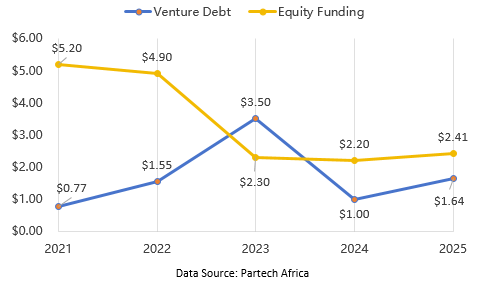
Unreliable power capped manufacturing capacity at 65 percent, while high interest rates stifled SME expansion. Businesses are now pivoting toward alternative funding to bypass traditional bank lending traps.
To protect revenue, the report suggests firms must adopt “strategic energy decoupling” through solar-hybrid solutions. Digital automation is also recommended to mitigate the impact of skilled labor shortages.
Success in 2026 will depend on firm-level choices to move beyond a survival mindset. Businesses must aggressively decouple from systemic constraints to ensure durable growth in a transitioning economy.