By: ThinkBusiness Africa
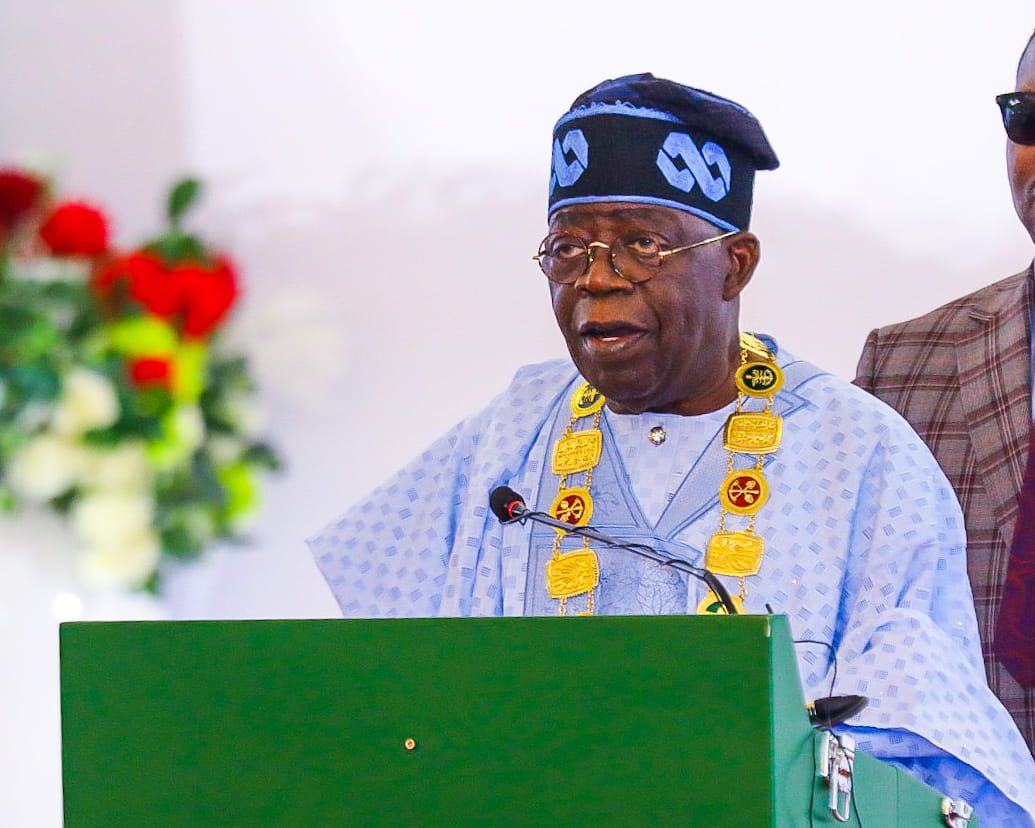
President Bola Ahmed Tinubu on Friday presented a N58.49 trillion “Budget of Consolidation, Renewed Resilience, and Shared Prosperity” for the 2026 fiscal year to a joint session of the National Assembly. While the budget promises a shift toward growth and infrastructure a fiscal breakdown shows N15.52 trillion—roughly 26.53% (rounded to 27%) of the total expenditure—has been earmarked solely for debt servicing.
The 2026 budget represents a 6% increase over the N54.99 trillion 2025 budget, reflecting the administration’s intent to maintain infrastructure momentum despite global economic headwinds and a tightening domestic fiscal environment.
Allocation for capital expenditure stands at N26.08 trillion, representing 44.5% of the total budget. This funding is focused on completing ongoing rail, road, and power projects rather than initiating new ones.
Defence budget is projected at N5.41 trillion
Meanwhile, recurrent (non-debt) expenditure, which covers personnel costs and pensions, is set at N15.25 trillion, 26% of the total. Statutory transfers, including funds for the National Assembly and the Judiciary, account for N4.1 trillion, making up the final 7% of the fiscal plan.
Out of the total N58.18 trillion expenditure, the government expects to generate N34.33 trillion in revenue, leaving a massive fiscal deficit of N23.85 trillion, or 4.28% of GDP.
To address this deficit, Minister of Budget and Economic Planning, Senator Abubakar Bagudu, said the administration plans to secure N17.88 trillion in new borrowings, split between domestic and foreign markets.
The N15.52 trillion earmarked for debt servicing is nearly 300% higher than the N3.98 trillion allocated 3 years ago in 2022. When measured against the government’s expected revenue (N34.33 trillion), the situation is even more critical: debt servicing alone will consume approximately 45% of every naira earned by the federal government in 2026.
President Tinubu termed the budget “realistic and conservative”. Notably, the government has adjusted its exchange rate expectations from N1500/$ to N1400/$ and oil production from 2 million barrels per day (mbpd) in the previous budget to 1.84 mbpd, reflecting current market realities.
Yakubu explained that the larger deficit reflects legacy rigidities rather than policy loosening, with financing expected to rely primarily on domestic borrowing, supported by concessional multilateral loans.