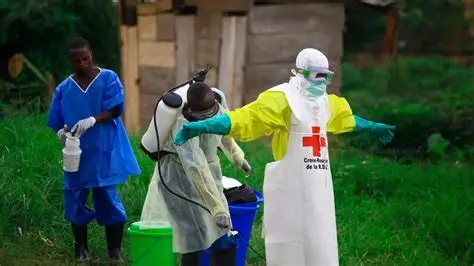

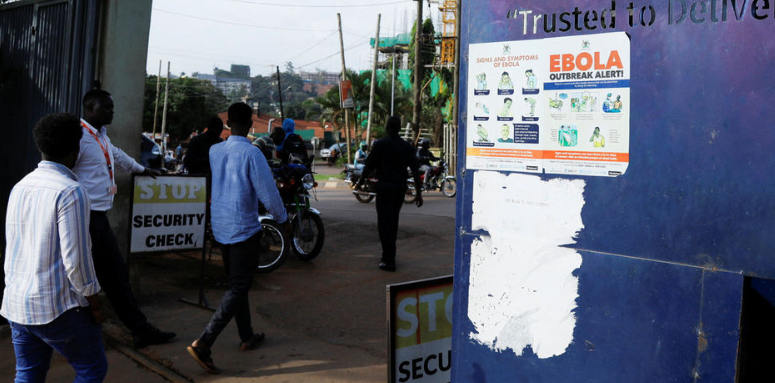
The Democratic Republic of Congo (DRC) has recorded over 10,000 confirmed Ebola cases, marking the largest outbreak in the nation’s history and escalating fears of regional economic and health disruptions.
According to official data released Tuesday by the DRC’s Ministry of Public Health, confirmed cases reached 10,060, while total fatalities rose to 4,887, reflecting a case fatality rate of 48.6%.
The current epidemic declared on May 15 in Ituri Province, is now the world’s second-largest and second-deadliest Ebola outbreak on record, trailing only the 2014–2016 West African crisis.
Driven by the rare Bundibugyo virus strain, containment efforts are severely constrained by the lack of any approved vaccines or specific therapeutic treatments targeting this particular species.
The disease has spread across 66 health zones in eight provinces, propelled by weak contact-tracing coverage, severe population displacement, and active armed conflict across the eastern regions.
Cross-border mobility has heightened regional transmission risks, with imported infections recently confirmed in Kenya and Nigeria, while Uganda previously contained a 21-case cluster earlier in the cycle.
Contact tracing remains a critical operational bottleneck. Authorities report that only 12% of confirmed cases in the DRC were detected among previously known contacts.
In response to the expanding footprint, the Africa Centres for Disease Control and Prevention has scheduled an emergency ministerial summit for Wednesday to coordinate regional border surveillance and emergency funding allocations.