By: ThinkBusiness Africa
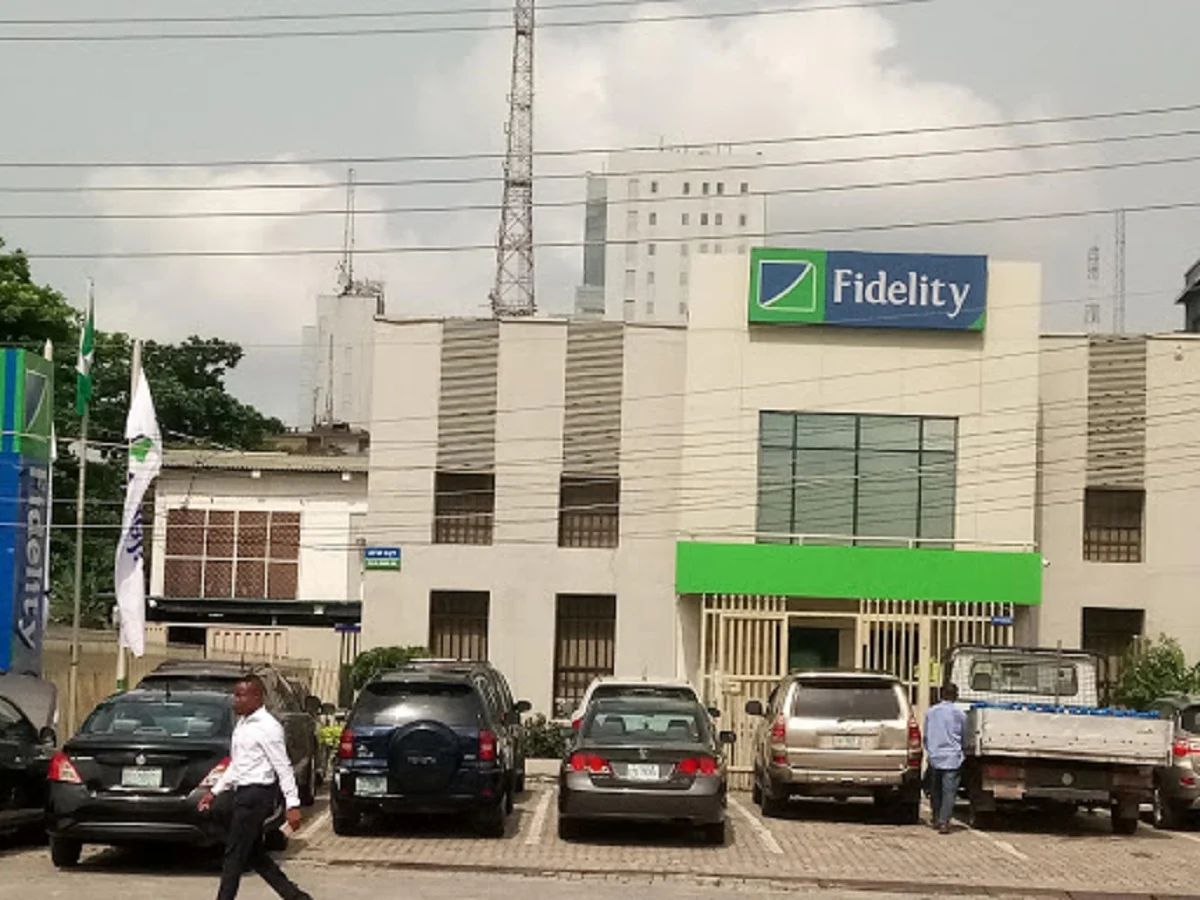
One of Nigeria’s top financial institutions, Fidelity Bank Plc. has now met its recapitalization targets through a N259 billion Private Placement. This capital injection effectively pushes the bank’s eligible capital beyond the Central Bank of Nigeria’s (CBN) mandatory threshold for international commercial banks.
According to a statement from the bank on Tuesday, it successfully opened and closed the placement on December 31, 2025. The exercise resulted in an increase of its eligible capital from N305.5 billion to N564.5 billion.
This achievement comfortably places Fidelity Bank above the N500 billion minimum capital requirement set by the CBN for banks with international authorization. The bank now holds a healthy buffer of N64.5 billion above the regulatory line.
The bank’s path to the N500 billion benchmark was executed in two distinct phases. In 2024, the bank launched a successful Combined Offer consisting of a Public Offer and a Rights Issue, which raised N175.85 billion in fresh capital. This initial success, marked by significant oversubscription from the investing public, brought the bank’s eligible capital base to N305.5 billion.
In 2025, the bank initiated the second Phase by launching a Private Placement that opened and closed on a single day. This exercise successfully raised an additional N259 billion, catapulting the total eligible capital to N564.5 billion. By exceeding the Central Bank of Nigeria’s requirement by N64.5 billion, Fidelity Bank has now secured its position as an international commercial bank well ahead of the March 2026 deadline.
While the funds have been raised, the bank noted that it is currently awaiting final regulatory approvals to formalize the new capital standing.
“This exercise resulted in the Bank raising N259 Billion, increasing its eligible capital… awaiting regulatory approvals,” stated Ezinwa Unuigboje, the Company Secretary.
By securing these funds early, the bank is now positioned to focus on post-recapitalisation growth, including digital infrastructure investment and regional expansion, rather than racing against the looming
Fidelity Bank’s aggressive capital raising has been backed by strength in its balance sheet and earnings capacity.
As of late 2025, the bank’s total assets crossed the N10.5 trillion mark, a 20% increase from the end of 2024. This growth was largely supported by a surge in customer deposits, which reached N7.2 trillion, reflecting growing public confidence in the bank’s stability.
The bank improved its asset quality, with the Non-Performing Loan (NPL) ratio dropping from 3.1% in 2024 to approximately 2.2% by late 2025, well within regulatory limits.
With this move, Fidelity Bank joins an elite group of Nigerian “Tier 1” (Firstbank, Zenith bank, GT bank, and Access Bank) lenders who have successfully crossed the half-trillion-naira capital mark, signaling a more resilient and shock-resistant future for the institution.