By: ThinkBusiness Africa
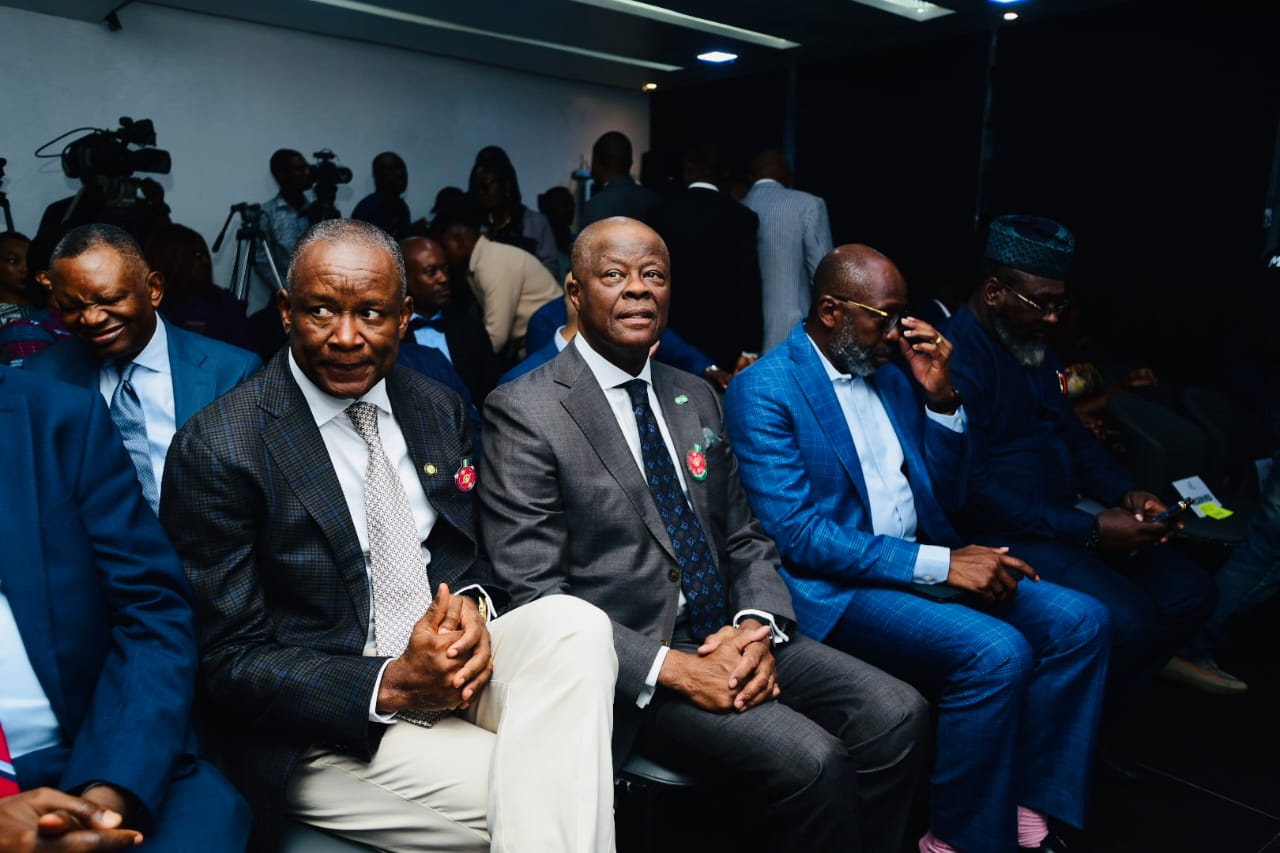
As the World Economic Forum (WEF) Annual Meetings commence on Monday, under the theme “The Spirit of Dialogue,” Nigeria has arrived with a strategic shift in its global narrative. Moving beyond general economic promotion, the Nigerian delegation, led by Vice President Kashim Shettima and Finance Minister Wale Edun, is focused on a singular mission: converting long-standing discussions into hard investment commitments.
For the past two years, Nigeria has initiated a wide range of investment talks spanning energy, infrastructure, technology, and agriculture.
At Davos 2026, The Minister of Finance will be engaging with global investors to kickstart their investment in the country.
According to Ogho Okiti, Special Adviser to the Minister, the engagement with global investors involves a practical question: “What specific actions, policy assurances, or frameworks are required to bring your investment in Nigeria to financial close?”. He said.
This “problem-solving” approach aims to unlock delayed capital and accelerate the execution of projects that have remained in the pipeline. By focusing on the final hurdles to financial closure, Nigeria intends to prove that its reforms are not just theoretical, but are functional tools for private-sector-led growth.
Last November, S&P Global Rating Agency revised Nigeria’s sovereign credit outlook from ‘stable’ to ‘positive’, citing “broad-based structural indicators starting to improve”.
S&P said “The monetary, economic, and fiscal reforms being implemented by Nigerian authorities will yield positive benefits over the medium term,” the Agency noted.
Africa’s most populous country GDP growth for 2025 is expected to exceed 4%, with projections for 2026 reaching approximately 4.3%, and surpassing global growth of 3.1%.
Nigeria’s proactive stance comes at a critical time. The global economy is currently defined by rising protectionism, tightening capital flows to emerging markets, and increasing debt burdens. In this environment, Nigeria is positioning itself as a “stability anchor” for Africa.