

Zambia’s annual inflation rate accelerated to 6.3% in October 2026, snapping a multi-month disinflation trend that had brought consumer price growth to a seven-year low of 6.1% in September.
According to official data released by the Zambia Statistics Agency (ZamStats) on Thursday, non-food inflation drove the overall uptick, surging to 7.4% from 6.6% in the previous month.
The sharp rise in non-food price pressures followed the government’s reinstatement of excise duty on fuel effective October 1, ending a six-month tax suspension alongside zero-rated value-added tax relief on petroleum products.
Compounding the tax restoration, local pump prices faced simultaneous upward pressure from rising international crude oil benchmarks and a depreciating kwacha, which elevated landed import costs for refined petroleum across the landlocked southern African country.
Despite the 0.2 percentage point acceleration, headline inflation remains comfortably within the Bank of Zambia’s target band of 6% to 8%, preserving recent monetary easing gains.
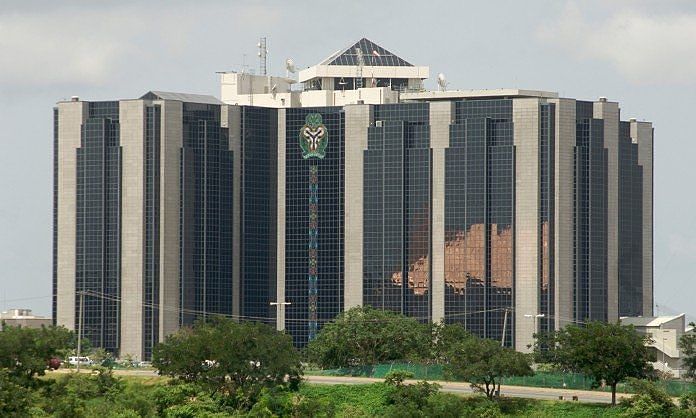
The central bank had trimmed its benchmark Monetary Policy Rate by 250 basis points to 10.75% in late September, citing sustained disinflation from a peak of 16.7% in late 2024.
Meanwhile, food inflation offered modest relief to households, easing to 5.7% year-on-year, supported by improved regional agricultural output following favorable harvest conditions across major maize-producing belts.
Analysts note that while energy costs pose short-term risks, the International Monetary Fund projects Zambia’s full-year 2026 inflation to average 8.0%, down from 13.9% in 2025.