By: ThinkBusiness Africa
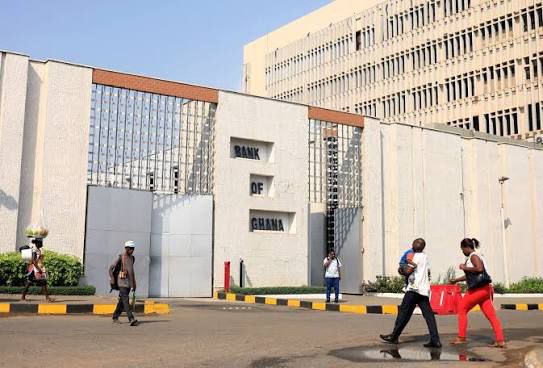
In a decisive move to stabilize the national economy and curb long-standing fiscal indiscipline, the Parliament of Ghana on Thursday officially approved the Bank of Ghana (Amendment) Bill, 2024. This landmark legislation effectively bars the central bank from purchasing government securities on the primary market, a move designed to end the “printing of money” to fund government deficits.
The new law introduces a strict “Zero Financing” rule. For years, the Bank of Ghana (BoG) acted as a lender of last resort for the state, often exceeding legal lending caps to bridge budget gaps. The BoG is now barred from buying bonds or treasury bills directly from the government.
The amendment removes the “emergency” provisions that previously allowed officials to bypass the 5% loan cap tied to the previous year’s revenue. Any temporary advances granted under extreme, clearly defined circumstances must now include a fixed repayment schedule and explicit Parliamentary approval.
This legislative shift is a response to the economic crisis of 2022–2023, where inflation soared above 50% and the Cedi plummeted.
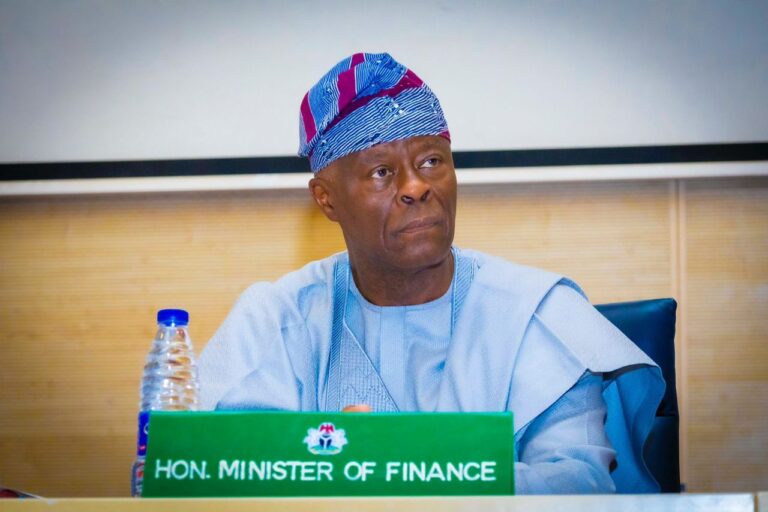
“We are insulating the central bank from political pressure,” stated Finance Minister Cassiel Ato Forson during the floor debate. “This is about restoring the BoG’s primary mission: price stability and inflation control.” He said.
Ghana’s central bank had previously come under fire for posting negative equity after extending massive overdrafts to the government during the COVID-19 pandemic and subsequent debt defaults. By funding the government directly, the bank had inadvertently fueled the very inflation it was supposed to fight.
The latest reform is part of a “structural benchmark” required by the International Monetary Fund (IMF) as part of Ghana’s $3 billion Extended Credit Facility.
By banning monetary financing, Ghana signals to international investors that it is serious about fiscal transparency. The bill also includes provisions for the state to recapitalize the BoG, ensuring it has the assets necessary to conduct independent monetary policy.
As of late 2025, the effects of these tighter controls are already visible: Ghana’s Inflation has dropped from over 50% in 2022 to approximately 6.3% in November 2025, firmly within BoG’s target range.
The bill now heads to the President for final assent. Once signed, the government will be legally required to balance its books without relying on the central bank’s “printing press”—a move that experts call the most significant change to Ghana’s financial architecture in two decades.