
Ghana plans to invest $10 billion over four years starting in 2027 to accelerate annual economic growth to 8% by 2030, marking a decisive shift away from post-default fiscal austerity.
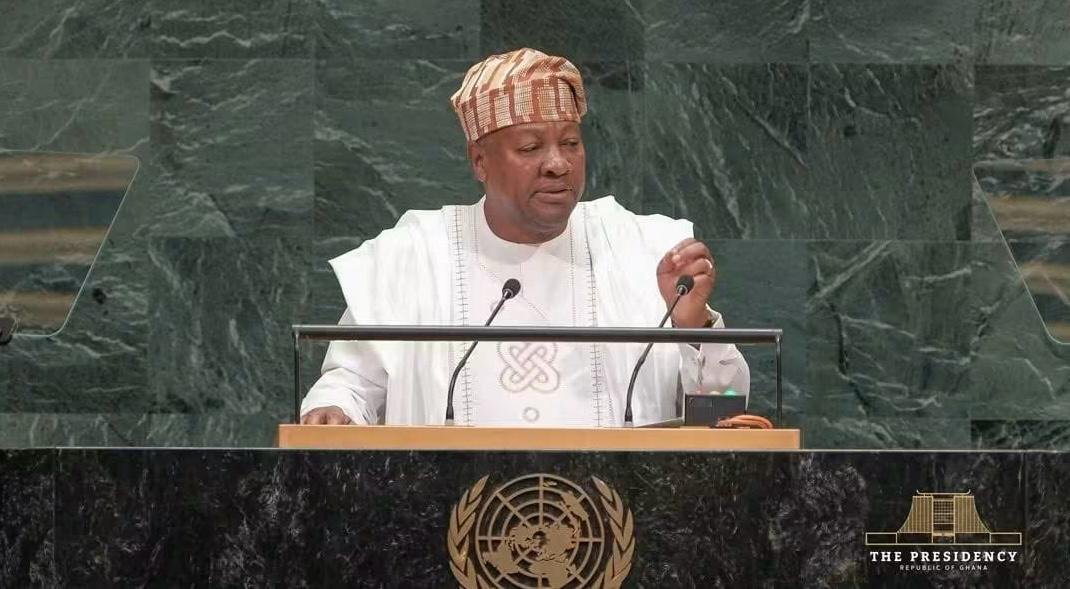
Finance Minister Dr. Cassiel Ato Forson unveiled the domestically funded “New Economy” programme during Thursday’s 2027 budget presentation to Parliament, targeting job-intensive sectors and local commodity processing to transform the West African nation’s economy.
To finance the expansion without introducing new taxes in 2027, Accra will gradually lower its primary budget surplus target from 1.5% of gross domestic product to 0.5% over the four-year period.
For 2027 alone, the government has earmarked GH¢30 billion, equivalent to 1.5% of GDP, to kick-start infrastructure, agriculture, and industrial projects while projecting near-term GDP growth of 5.2%.
The blueprint mandates 100% local processing of cocoa, bauxite, and manganese by 2030 alongside a ban on raw mineral exports, aiming to capture higher export revenues and curb raw commodity dependence.
Capital allocations include $1 billion to complete the Pwalugu multipurpose dam by 2030 and $200 million for a two-year nuclear power readiness program beginning in January 2027.
This aggressive investment pivot follows Ghana’s July 2026 completion of its $3 billion International Monetary Fund Extended Credit Facility, which stabilized the economy after its painful 2022 sovereign debt default.
Under the IMF program, consumer inflation dropped from crisis highs toward single-digit targets, international reserves exceeded three months of import cover, and public debt fell from 70.1% to 56.6% of GDP.
Accra now operates under a non-financing 36-month IMF Policy Coordination Instrument, leaving policymakers to balance ambitious domestic capital spending against strict debt-sustainability anchors without conditional bailout loans.