By: ThinkBusiness Africa
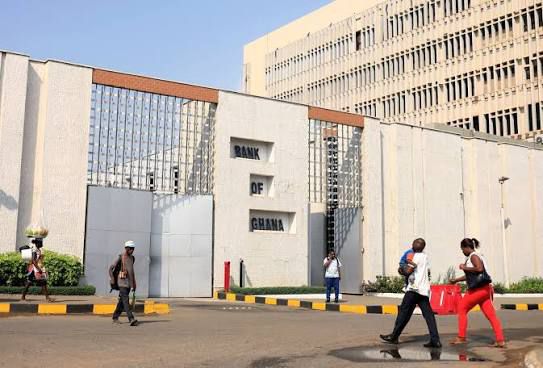
The Bank of Ghana (BoG) slashed its benchmark policy rate by 250 basis points to 15.50% on Wednesday, marking the lowest interest rate level in four years, as the central bank tamed the inflationary beast that once threatened the nation’s economic foundation.
The recent rate cut follows a record-breaking 2025 where the bank withdrew a massive 1,000 basis points from the headline rate, as it focused on lowering borrowing costs.
The cycle began from a high of 28.00% in June 2025, a level maintained to crush the hyperinflation that had previously gripped the country. By July the Bank kicked off its easing strategy with a 300-basis-point cut, bringing the rate down to 25.00%.
In September and November, as inflation began to fall faster than most analysts predicted, the Bank delivered two back-to-back “mega-cuts” of 350 basis points each. This brought the rate down to 21.50% in September and then to 18.00% by late November.
In its first meeting of 2026, the Bank slashed the rate by another 250 basis points. This brought the current policy rate to 15.50%—the lowest it has been since early 2022.
“With stability largely achieved, the focus of policy is gradually shifting toward consolidating these gains and supporting stronger real sector recovery,” Governor Johnson Asiama told reporters.
The BoG’s confidence is rooted in a “disinflation miracle.” Just three years ago, Ghana was battling a peak inflation rate of 54.1%. As of December 2025, that figure has plummeted to 5.4%, comfortably within the central bank’s medium-term target band of 8%.
Ghanaian Cedi (GHS) has remained remarkably resilient despite the narrowing interest rate differential. Bolstered by high gold prices and a narrowing fiscal deficit—projected to be just 2.2% of GDP in 2026—the currency has avoided the typical “capital flight” that often follows such deep rate cuts.
Market analysts at Deloitte have revised their 2026 GDP growth projections upward to 5.9%, citing that lower borrowing costs will finally unlock private sector investment that has been frozen since the 2022 debt restructuring.