
Ghana’s headline inflation rate fell to 4.6% year-on-year in July 2026, down from 5.3% in June, according to data released Thursday by the Ghana Statistical Service (GSS).
The 0.7 percentage point drop marks the first deceleration in consumer price growth since March, reversing three consecutive months of accelerating price increases across the West African nation.
GSS said the slowdown was largely driven by easing food inflation, which declined to 3.1% in July from 3.9% recorded in the previous month.
Non-food inflation also slowed to 6.1% in July, compared with 6.3% in June, while inflation for locally produced items dropped to 5.9% from 6.7%.
Imported goods inflation moderated slightly to 2% from 2.3%, supported by relative cedi stability and subdued external price transmission across major trade channels.
The July reading shows substantial long-term disinflation compared to the same period in 2025, when annual headline inflation stood at 12.1%.
In June, consumer price growth had reached a six-month peak of 5.3%, up from 3.7% in May, following temporary surges in transportation, housing, and food expenses.
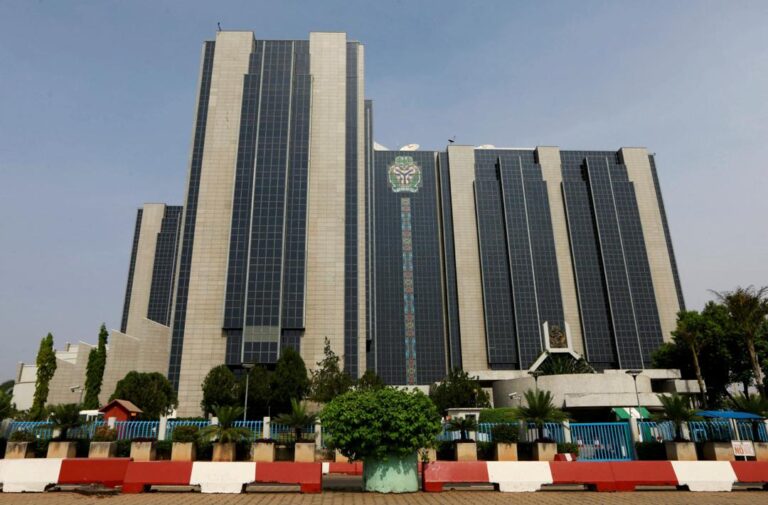
The latest figures align with the Bank of Ghana’s decision in late July to maintain its benchmark monetary policy rate at 14%, keeping borrowing costs steady.
Central bank officials noted that inflation expectations remain firmly anchored within the official 6 to 10% target band, despite persistent global energy market volatility.