By:ThinkBusiness Africa
The Executive Board of the International Monetary Fund (IMF) officially concluded the sixth and final review of Zambia’s Extended Credit Facility (ECF), marking the end of a transformative 38-month economic stabilization program. The approval triggers an immediate disbursement of approximately $190 million, bringing the total financial support provided since 2022 to $1.7 billion.
The successful completion of the review signals a major milestone for the Southern African nation, which became the first African country to default during the COVID-19 pandemic in 2020.
Despite a “broadly satisfactory” performance, the IMF noted that Zambia’s path to this final review was not without hurdles. The country battled a severe drought in 2024 and faced delays in some structural reforms.
However, the Board lauded the government’s commitment to fiscal discipline and its landmark progress in restructuring external debt.
Zambia has set an ambitious macroeconomic Projections for 2026 with GDP growth projected to reach 5.8% to 6.4%, driven by a resurgence in copper production and a record-high maize harvest.
Inflation is expected to cool to 9.3%, moving closer to the central bank’s target range of 6–8%. And Public Debt was forecasted to drop significantly to 78.3% of GDP, down from over 110% at the start of the program.
In a surprising move earlier this month, the Zambian government withdrew its request for a one-year extension of the current ECF. Instead, Finance Minister Situmbeko Musokotwane announced that Zambia would immediately begin negotiations for a successor program.
“The government’s focus is now on leveraging macroeconomic stability to drive investment, expand productive capacity, and create jobs,” Dr. Musokotwane stated.
The new framework is expected to shift away from emergency austerity toward “growth-oriented structural reforms,” prioritizing value addition in the mining sector and expanding electricity generation.
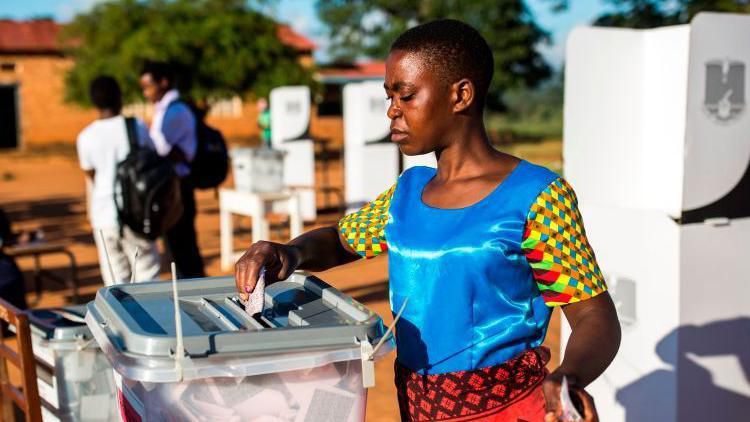
The timing of the program’s conclusion is pivotal. President Hakainde Hichilema is entering a critical election year, with the general election scheduled for August 2026.
The administration is betting that the restored international credibility and projected 6% growth will provide the “economic dividend” promised to voters when Hichilema took office in 2021.
While the IMF’s exit from the current program signifies a vote of confidence, the Fund warned that “policy credibility must be defended” to ensure the gains of the last three years are not eroded by election-year spending pressures.