By: ThinkBusiness Africa
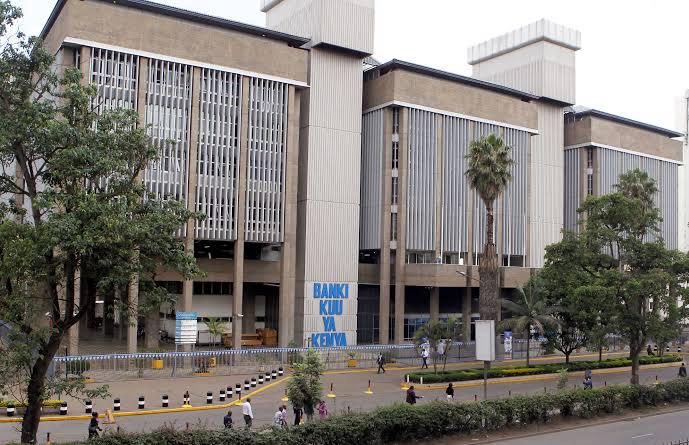
The Central Bank of Kenya (CBK) announced on Tuesday a further reduction in its benchmark lending rate, lowering the Central Bank Rate (CBR) by 25 basis points (bps) to 9.00% from the previous 9.25%.
The decision, made by the bank’s Monetary Policy Committee (MPC), marks the ninth consecutive rate cut in the ongoing monetary easing cycle and is a clear signal of the CBK’s commitment to supporting stronger economic growth and boosting private sector credit.
In its statement, the MPC, chaired by Governor Dr. Kamau Thugge, cited the favorable macroeconomic environment as the primary driver for the decision. The committee noted that the continuous reduction in the benchmark rate is aimed at strengthening the policy transmission mechanism to ensure commercial banks translate the lower policy rate into cheaper credit for households and businesses.
Overall inflation has remained firmly within the CBK’s target range of 2.5% to 7.5%. As of November 2025, inflation stood at 4.46% (according to the CBK), comfortably below the 5% midpoint, giving the central bank ample room for a growth-oriented policy.
The Kenyan economy has continued to show resilience, with strong performance noted in key sectors like agriculture, transport, trade, and finance, driving an expected GDP growth rate of over 5.0% for the year 2025.
Despite prior rate cuts, the growth of private sector credit has been gradual. The MPC believes this latest reduction will further reduce the cost of borrowing and accelerate the growth of credit, particularly to crucial sectors like manufacturing, housing, and Small and Medium Enterprises (SMEs).
“This (rate cut) will augment the previous policy actions aimed at … supporting economic activity, while ensuring inflationary expectations remain firmly anchored, and the exchange rate remains stable,” CBK said.
Commercial banks are now expected to adjust their own lending rates downwards. This will directly benefit borrowers with variable-rate loans, such as mortgages and business loans, by reducing their monthly repayment burden.
Cheaper credit encourages businesses to take on new debt for expansion, capital investment, and job creation, which is crucial for achieving the government’s medium-term growth targets.
This rate cut represents a pivotal step in the central bank’s strategy to fully transition from an anti-inflation stance to one that actively supports sustainable, credit-led economic development. The next MPC meeting in 2026 will be closely watched to gauge the effectiveness of this latest monetary easing move.
The apex bank noted that its foreign exchange reserves, which currently stand at $10.7 billion (4.72 months of import cover), continue to provide adequate cover and a buffer against short-term domestic and external shocks.