A Decade After the Impasse: The Humanitarian Reckoning in the Democratic Republic of the Congo
Ten years after the 2016 constitutional and electoral crisis disrupted governance in the Democratic Republic of the Congo (DRC), the country is facing one of the world’s largest and most neglected humanitarian emergencies. The immediate political deadlock of December 2016, triggered when President Joseph Kabila’s final constitutional mandate expired without scheduled elections taking place, has since given way to two subsequent electoral cycles. Yet the crisis did not unfold as a single, unbroken conflict with one linear cause. Rather, the 2016 impasse exposed and deepened structural vulnerabilities, weakened state legitimacy, fragmented security institutions, unresolved local grievances, and regional rivalries, that enabled a series of distinct shocks to compound over the ensuing decade.
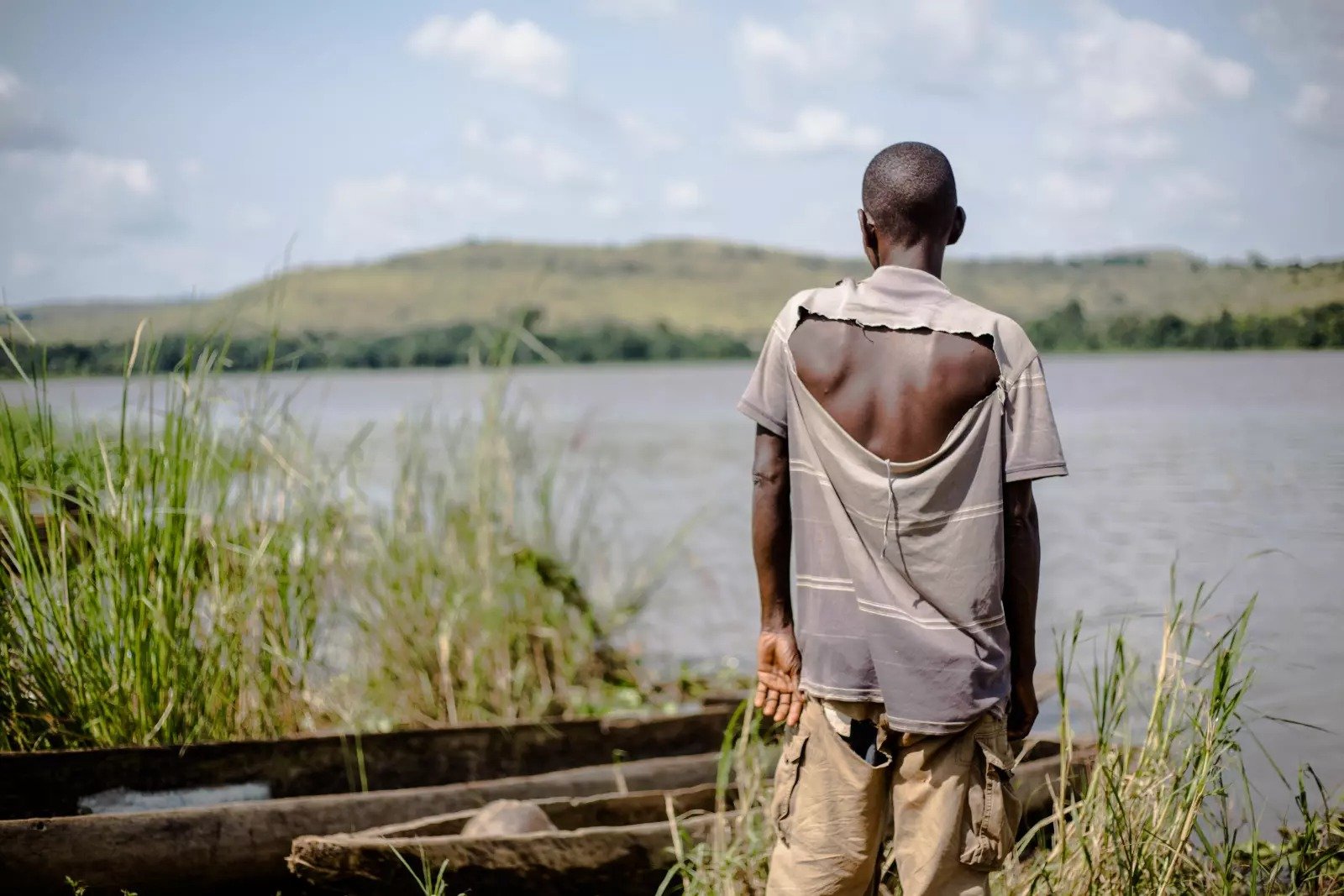
The resulting human toll is staggering. Between January 2016 and mid-2026, internal displacement in the DRC more than tripled, rising from 1.6 million to over 5.7 million people. Adding more than 1.2 million Congolese refugees in neighbouring countries and over 513,000 foreign refugees hosted within the DRC brings the total number of displaced people associated with the country’s crisis to approximately 8.2 million, a figure projected to approach 9 million by the end of 2026. Over the same period, acute food insecurity has expanded to affect 26.6 million people, leaving roughly a quarter of the population facing crisis or emergency levels of hunger.
Understanding how a constitutional stalemate in Kinshasa evolved into a nationwide humanitarian emergency requires tracing how distinct political and security crises interacted across time and territory. In late 2016, the immediate fallout manifested in deadly urban protests in Kinshasa, Goma, and Lubumbashi, alongside the eruption of the Kamuina Nsapu insurgency in the previously peaceful Kasai region. Driven by disputes over customary chieftaincy succession and heavy-handed state repression, the Kasai conflict killed more than 3,300 people and displaced 1.4 million within months before subsiding following local peace deals and state co-optation.
The historic political transition of January 2019, which brought President Félix Tshisekedi to power in the DRC’s first peaceful transfer of executive office, raised hopes for institutional renewal. However, governing initially through a fragile coalition with Kabila’s political network and facing deeply entrenched governance deficits, Kinshasa struggled to consolidate authority across the periphery. Security sector reform stalled, leaving the national army (FARDC) overstretched, under-resourced, and reliant on shifting local militias.
Into this vacuum stepped a fundamentally different phase of conflict in the east. Beginning in late 2021, the resurgence of the March 23 Movement (M23), later aligned with the political-military coalition Alliance Fleuve Congo (AFC), transformed localized insecurity into high-intensity warfare. Culminating in the capture of Goma and Bukavu in early 2025, the M23/AFC offensive triggered more than one million new displacements in a single quarter and forced the dismantling of major displacement settlements, including Lushagala in North Kivu. Each episode had distinct triggers, customary disputes in Kasai, contested governance transitions in Kinshasa, and geopolitical military escalation in the Kivus, yet all thrived on the same underlying fragility of state institutions.
The DRC’s humanitarian emergency cannot be adequately understood through a purely domestic lens. Eastern Congo has long served as an arena where neighbouring states pursue security imperatives, political influence, and economic extraction, often through armed proxies. The military resurgence of M23 has been widely documented by United Nations experts and international observers as receiving direct troop, logistical, and weapons support from Rwanda, sharply escalating tensions between Kigali and Kinshasa.
At the same time, other neighbouring states remain deeply entangled in eastern DRC’s security landscape. Uganda has deployed troops under Operation Shujaa to combat the Allied Democratic Forces (ADF) in North Kivu and Ituri while maintaining complex commercial and political interests across the border. Burundi has committed forces alongside the Congolese army to counter Burundian rebel groups operating in South Kivu and contain M23’s southward advance, while Southern African Development Community (SADC) contingents suffered heavy casualties before withdrawing amid shifting diplomatic alignments.
Regional diplomacy, embodied in the Luanda and Nairobi processes, repeatedly produced ceasefire commitments that collapsed on the ground, largely because diplomatic frameworks failed to address the political economy sustaining the violence. Illicit cross-border trade in gold, coltan, tin, and tantalum continues to finance armed actors and incentivize territorial control. Meanwhile, the humanitarian fallout spills across borders: neighbouring Uganda, Burundi, Tanzania, Rwanda, and Zambia collectively host over 1.2 million Congolese refugees, straining regional public services and turning an internal crisis into a Great Lakes emergency.
While national statistics capture the sheer scale of suffering, aggregating displacement, hunger, and disease figures masks sharp geographical differences across a country the size of Western Europe. Humanitarian conditions in the DRC are shaped by two distinct, though increasingly interconnected, dynamics: acute conflict-driven emergencies in the east and chronic, structural crises across the centre and south.
Across both geographies, the cumulative toll on health and human security is severe. Persistent insecurity and economic isolation have separated farmers from their land and crippled rural markets, leaving an estimated 4.18 million young children and 1.54 million pregnant and breastfeeding women in need of urgent nutritional support, including over 1.35 million children suffering from life-threatening severe acute malnutrition. Overcrowded displacement sites and damaged clinics have accelerated outbreaks of cholera, measles, and Mpox, while the Ebola resurgence reported in May 2026 has placed further strain on an already overstretched health system. Across 91 territories, civilians face acute protection risks, including widespread gender-based violence, with more than 160,000 cases documented in the first nine months of 2025 alone.
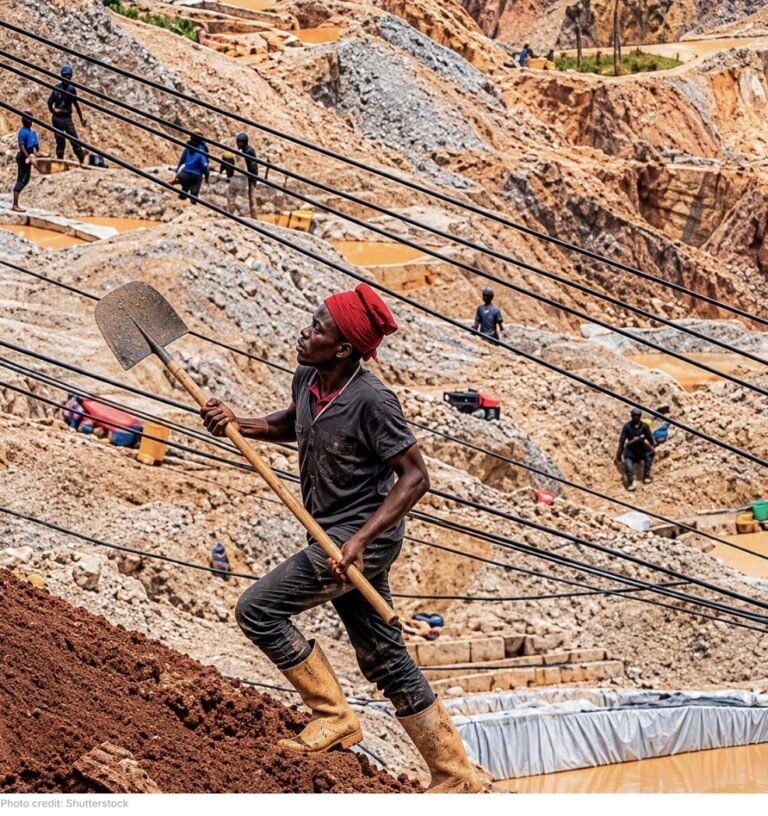
Beyond its immediate human cost, a decade of instability has inflicted deep structural damage on the Congolese economy. While headline macroeconomic indicators, buoyed by industrial copper and cobalt exports in the southern Katanga belt, have occasionally projected resilience, that growth remains disconnected from the lived reality of ordinary Congolese. In the eastern provinces, prolonged conflict has severed vital agricultural supply chains, displaced hundreds of thousands of smallholder farmers, and disrupted cross-border trade corridors linking North and South Kivu to regional markets.
The capture of major commercial hubs such as Goma and Bukavu in early 2025 paralyzed banking systems, shuttered local enterprises, and cut off customs and tax revenues to the central state. Simultaneously, the government has diverted scarce fiscal resources away from health, education, and rural infrastructure toward military expenditures and security operations. Combined with currency depreciation and inflation in basic food staples, the erosion of rural livelihoods has hollowed out household purchasing power, pushing millions of families who were previously self-sufficient into chronic aid dependency.
Even as humanitarian and economic pressures have intensified, international financial support has contracted sharply. In 2016, donors funded 60.1 per cent of the DRC’s US$690 million humanitarian appeal. By 2025, donors covered just 27.4 per cent of the country’s humanitarian requirements, creating one of the widest funding gaps in the world.
This decline is not accidental; it reflects a convergence of global and DRC-specific political dynamics. Globally, traditional Western donors have slashed Official Development Assistance (ODA) budgets amid domestic fiscal tightening, rising defence spending, and shifting political priorities. Simultaneously, international humanitarian financing has been heavily absorbed by higher-profile geopolitical emergencies in Ukraine, Gaza, and Sudan, leaving protracted crises in Central Africa chronically under-resourced.