By: ThinkBusiness Africa
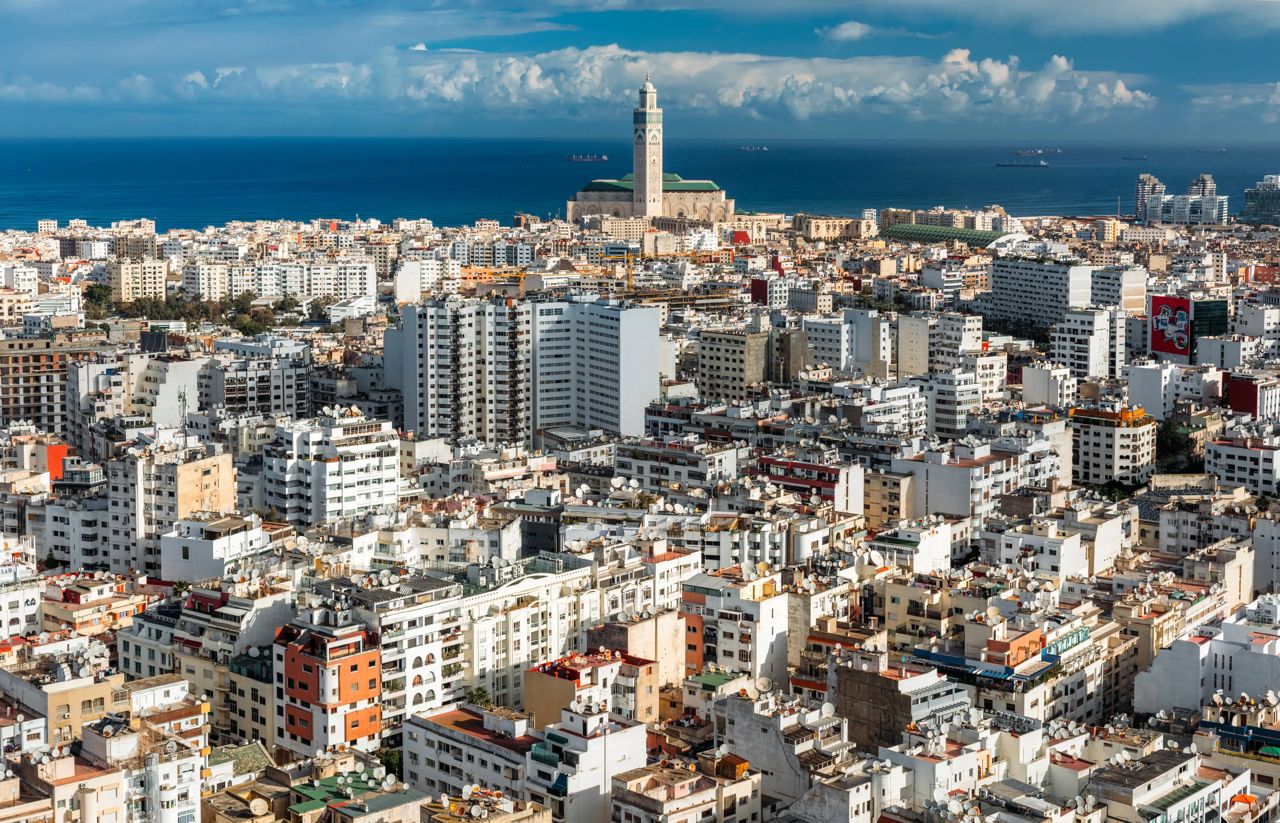
Morocco’s tourism industry reached a historic zenith in 2025, welcoming a record-breaking 19.8 million tourists, according to a Monday statement from the Ministry of Tourism, Handicrafts, and Social and Solidarity Economy.
The figure represents a 14% increase from 2024, signaling that the North African Kingdom has not only recovered from global travel disruptions but has effectively cemented its position as Africa’s premier travel destination.
The surge in arrivals translated into a massive boost for the national economy. Tourism revenues reached 124 billion dirhams ($13.6 billion) by the end of November 2025, marking a 19% year-on-year increase.
Minister of Tourism Fatim-Zahra Ammor hailed the results as a “strategic milestone,” noting that the sector now contributes roughly 7.4% to Morocco’s GDP; Supports nearly 880,000 jobs, accounting for 5% of total national employment; and serves as a critical source of foreign currency for the Kingdom.
The Ministry attributed this unprecedented success to a combination of infrastructure investment and aggressive marketing under the “2023–2026 Tourism Roadmap.”
In March 2023, Morocco launched The “Air x2” strategy, to double its capacity. This strategy expanded low-cost carrier routes and increased international flights to secondary cities like Tangier and Agadir.
Over 43,000 new hotel beds have been added since 2023, supported by significant investments such as the $162 million deal between Alliances Group and Rixos Hotels.
While Europe remains the primary source market, there has been a marked increase in visitors from North America and Asia.
This record-breaking year is seen as a crucial “stress test” for Morocco’s long-term goal of hosting 26 million tourists by 2030, the year it will co-host the FIFA World Cup alongside Spain and Portugal.
To prepare, the government has unveiled a $4.2 billion investment plan to modernize airport infrastructure. The centerpiece of this plan is the expansion of Casablanca’s Mohammed V International Airport, which aims to double its capacity.
“This performance confirms the strong upward momentum of Morocco’s hospitality industry and marks a new chapter in the country’s development,” the Ministry stated.
With the 2025 Africa Cup of Nations (AFCON) also on the horizon, industry experts expect the momentum to carry into 2026. The focus now shifts to ensuring sustainability and spreading the economic benefits of tourism beyond the traditional hubs of Marrakech and Agadir into the Kingdom’s rural and mountainous regions.