By: ThinkBusiness Africa
In a move that prioritizes regional currency stability over immediate domestic easing, the Bank of Namibia (BoN) on Wednesday maintained its benchmark repo rate at 6.50%.
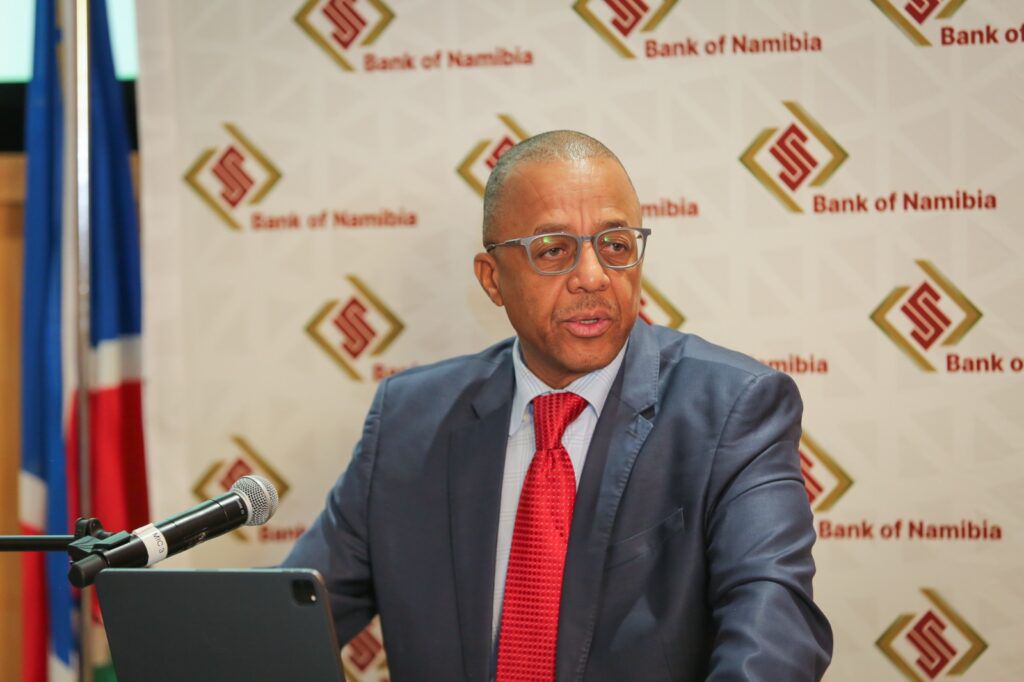
The decision was delivered during the first Monetary Policy Committee (MPC) briefing led by the newly appointed Governor, Ebson Uanguta. While many market observers noted the significant cooling of domestic prices, the central bank opted for a “wait-and-see” approach.
The hold comes despite a remarkably positive inflation report. Data from the Namibia Statistics Agency (NSA) shows that annual inflation slowed to 2.9% in January 2026, down from 3.2% in December. Marking the lowest level of inflation Namibia has seen since early 2021, comfortably hitting the lower end of the central bank’s target range.
However, Governor Uanguta emphasized that domestic inflation is only one piece of the puzzle. The primary driver for the hold remains the one-to-one currency peg with the South African Rand.
“The MPC remains committed to safeguarding the peg,” Uanguta stated. “Maintaining the rate at 6.50% is essential to ensure orderly capital flows and sufficient international reserves.” He said.
The decision also keeps Namibia in a strategic position relative to its neighbor. With the South African Reserve Bank (SARB) holding its rate at 6.75% in January, Namibia maintains a 25-basis-point differential. Narrowing this gap further could risk capital outflows that might pressure the Namibian Dollar.
For the average Namibian, the decision means:
- Prime Lending Rate remains steady at 10.00%.
- Mortgages & Car Loans monthly repayments for existing variable-rate loans will remain unchanged for now.
- Savings interest on deposit accounts will hold at current levels, offering a “real” return given that the repo rate is now significantly higher than the inflation rate.
The bank noted that while inflation is low, growth remains a concern. The economy faced headwinds in late 2025 due to a “muted” performance in the diamond mining sector and the lingering effects of drought on agriculture.
However, the BoN is optimistic for the remainder of 2026, forecasting a recovery in the primary industries and a gradual pickup in private sector credit extension. International reserves remain robust, standing at $3.24 billion —enough to cover 3.3 months of imports.