By: ThinkBusiness Africa
The Nigerian Federal Government has taken a decisive step to revitalize its struggling power sector and boost investor confidence by approving the settlement of N185 billion (approximately $128 million) in long-standing debts owed to domestic and international gas producers.
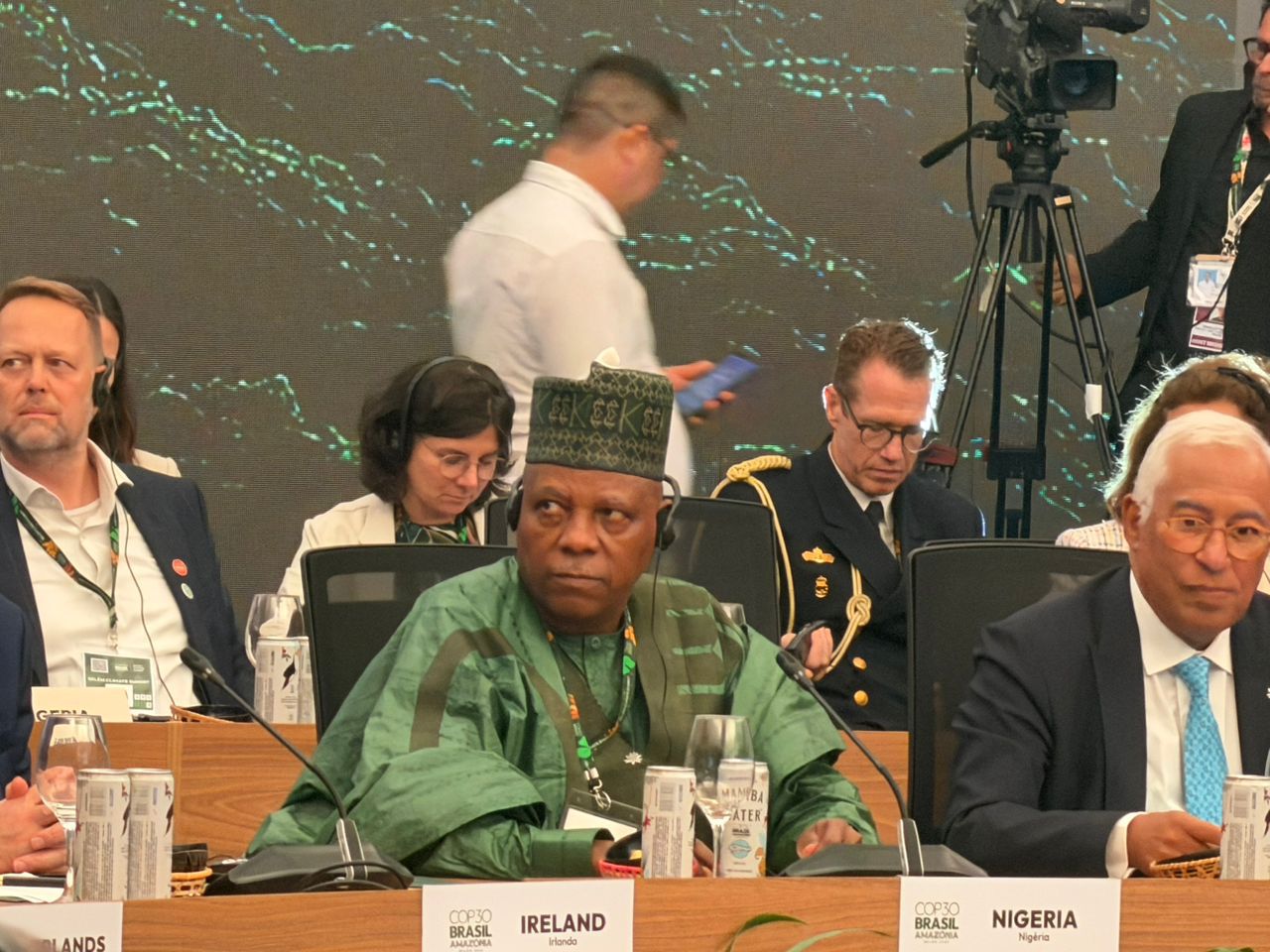
The approval, which was made by the National Economic Council (NEC) chaired by Vice President Kashim Shettima, is hailed as one of the most significant government interventions in the gas-to-power value chain in recent years.
A crucial intervention of the N185 billion represents a verified portion of the substantial “legacy debts” owed to gas suppliers for gas delivered to power generation companies (GenCos) over the years. This indebtedness had become a critical constraint on the nation’s electricity supply, as thermal power plants, which account for over 70% of Nigeria’s generation capacity, depend heavily on these gas supplies.
The Minister of State for Petroleum Resources (Gas), Ekperikpe Ekpo, described the approval as a “decisive step towards revitalizing Nigeria’s gas sector and strengthening its power-generation capacity in a sustainable manner.” He said.
The persistent debt overhang strained the cash flow of gas producers, discouraging further exploration, hindering operational capacity, and ultimately leading to reduced gas supply to the national grid, thereby worsening Nigeria’s power shortages.
Industry experts believe the primary impact of this debt settlement will be the restoration of trust and confidence among gas suppliers, both domestic and international.
For years, gas producers had voiced concerns over the payment uncertainty in the sector, leading many to withhold or slow down new investments required to expand gas production.
This latest intervention directly supports the government’s strategic plan to unlock over 12 billion cubic feet per day of gas supply by 2030 and transition Nigeria into a gas-driven economy.
The liquidity crisis in the Nigerian Electricity Supply Industry (NESI) has been a long-standing structural issue, arising from a combination of unfunded tariff shortfalls and other market deficits that have accumulated over the past decade.
Total legacy debt owed to GenCos and gas suppliers has been estimated to be in the trillions of Naira, with the N185 billion representing a crucial first step in settling a verified segment of this liability.