
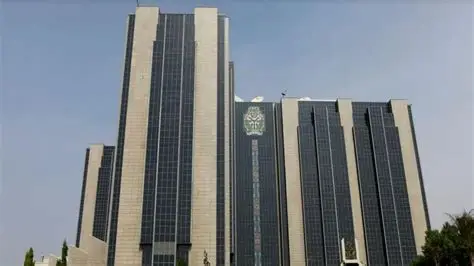
LAGOS — Nigeria’s central bank cautioned sub-national governments against short-term massive borrowing as debt rises, warning that fiscal indiscretion at the state level could undermine national monetary stability and fuel persistent inflationary pressures as states control 50% of the federation revenue.
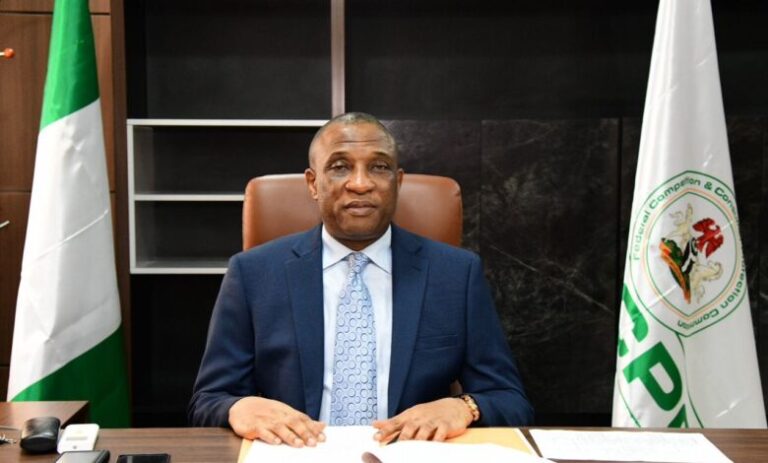
The Central Bank of Nigeria (CBN) Deputy Governor, Muhammad Abdullahi, issued the warning to state governors during a fiscal-monetary session in Abuja. He noted that excessive state borrowing often bypasses productive investment, complicating efforts to transition toward a formal inflation-targeting framework.
The apex bank’s stance comes as state-level debt profiles expand despite increased federal revenue allocations. High-interest short-term loans and overdrafts are reportedly being used by governors to fund recurrent expenditures and administrative costs.
“He urged States to reduce reliance on overdrafts and short‑term financing, ensure that borrowing decisions align with debt sustainability thresholds, improve budget realism and revenue forecasting, prioritize expenditure, and better synchronize fiscal calendars with prevailing macroeconomic conditions.” Deputy Governor Muhammad Abdullahi said in a statement on Sunday.
Official data shows sub-national domestic debt has risen significantly, threatening the national target of a 34.5% debt-to-GDP ratio for 2026.
Data from the Nigerian debt office shows external debt owed by 32 Nigerian states and the Federal Capital Territory (FCT) rose by a combined $944.12 million in 2025.
Experts warn that unpredictable state spending undermines the bank’s price stability goals.
The CBN recently trimmed the benchmark interest rate to 26.5% as inflation showed signs of cooling. However, officials emphasized that uncoordinated state spending could force a return to aggressive monetary tightening.
Regional governments are now urged to explore long-term financing like infrastructure bonds or strengthen internally generated revenues. This shift aims to align state activities with the federal government’s broader 2026 fiscal consolidation strategy.
The warning follows a surge in Nigeria’s foreign reserves to $49 billion in April, a 13-year high. Despite this buffer, the central bank maintains that state-level fiscal discipline is crucial for long-term economic resilience; as It now pressures states to boost internally generated revenue rather than relying on expensive, short-term commercial bank facilities.