LAGOS — Nigeria has cancelled $717.7 million in undisbursed funding from a critical World Bank-backed power sector program, stalling efforts to rescue the country’s financially crippled electricity market.
The massive de-obligation of funds under the Power Sector Recovery Performance-Based Operation (PSRO) was revealed in a recent World Bank restructuring report tracking the initiative.
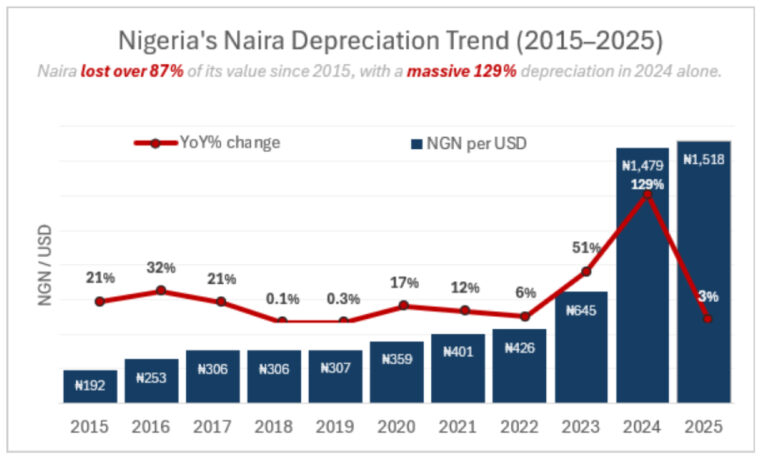
The cancellation deals a severe macroeconomic blow to a nation already grappling with chronic grid collapses, mounting tariff deficits, and acute foreign exchange shortages.
The $1.25 billion Program-for-Results operation required Nigeria to meet strict governance, operational, and financial indicators before funds could be disbursed to stabilize the network.
Persistent structural bottlenecks, particularly massive collection losses by regional electricity distribution companies (DisCos), ultimately prevented the country from hitting key performance milestones before deadlines lapsed.
The loss of cheap concessionary dollars forces the federal government to choose between multi-billion naira fiscal subsidies or implementing aggressive, politically sensitive electricity tariff hikes.
This development follows the Nigerian Electricity Regulatory Commission’s recent aggressive push toward cost-reflective pricing, which has already sparked widespread public outcry and labor union resistance.
In April 2024, the regulator hiked Band A tariffs by over 230 percent, signaling intense fiscal desperation to sustain the grid without external multilateral cushions.
Industry analysts warn that losing over 57 percent of the total project funding will severely hamper infrastructure modernization and worsen ongoing gas supply debts.
Nigeria currently generates fewer than 5,000 megawatts of electricity for its population of over 220 million people, routinely plunging businesses and households into total darkness.