
President Bola Tinubu and Nigeria’s state governors have agreed to reduce intra-state transport fares from October 1, targeting savings from cheaper compressed natural gas (CNG) and electric vehicles.
Tinubu announced the deal in a statement posted Thursday on his official X account after meeting the Nigeria Governors’ Forum in Abuja.
“I am pleased with my discussion with the Governors’ Forum this afternoon,” he said. Governors resolved on their own initiative to cut transport costs by leveraging CNG benefits, he added.
A joint federal-state committee will implement the steps immediately. “We have agreed that cheaper fuel should result in cheaper fares!” Tinubu stated.
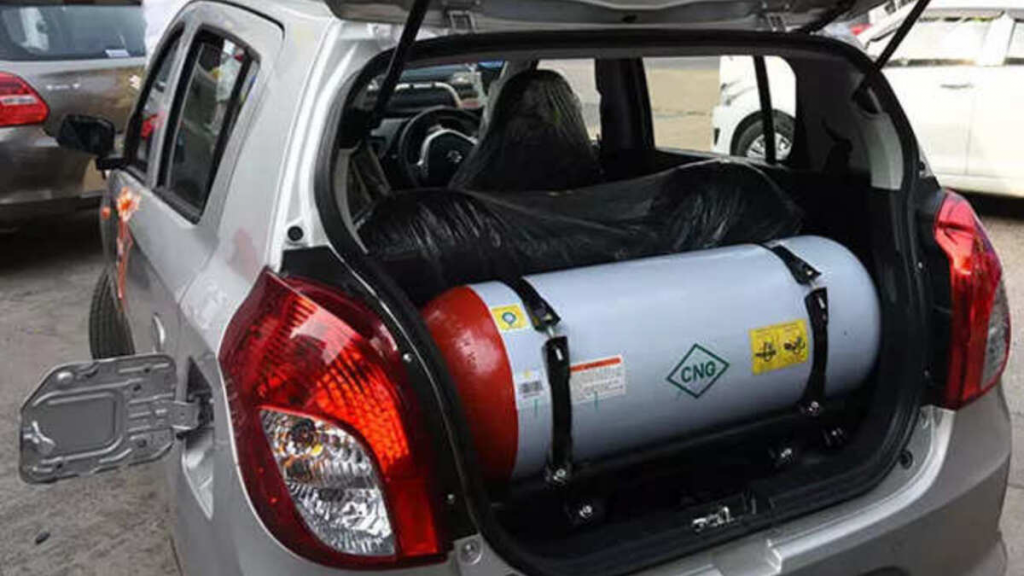
The government has converted over 120,000 vehicles under the Presidential CNG Initiative, with more than 100,000 kits still in progress. Refueling infrastructure keeps expanding nationwide.
More than 100 gas projects are under financing, including 15 CNG mother stations and 86 daughter stations. Tinubu commissioned four in May in Lagos, Abuja and Owerri.
He ordered another 500 CNG stations, adding to 500 already planned, for a total of 1,000. “A vehicle running on CNG spends 60 to 80 per cent less on fuel than one running on petrol,” he noted.
“From October 1, our goal is that Nigerians begin to partake in those savings through lower transport fares,” Tinubu said.
The plan follows the 2023 petrol subsidy removal, which sharply raised fuel and transport costs. Recent pump-price declines have not fully lowered fares, local reports show.
Officials cite 15.8 trillion naira in subsidy savings through 2025, though living costs remain elevated for many households.