By: ThinkBusiness Africa
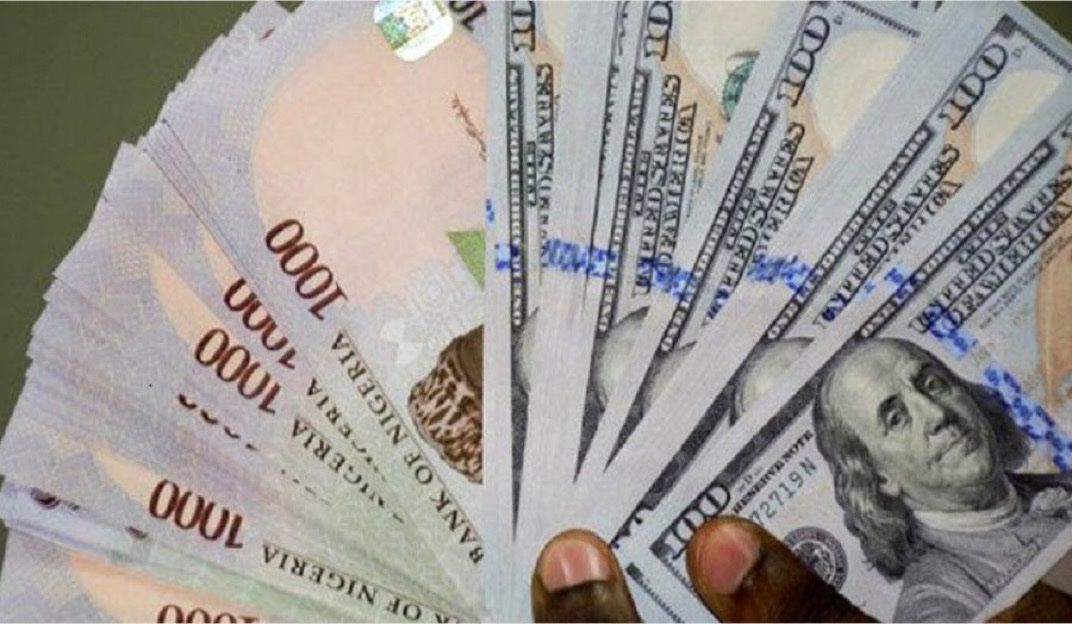
In a major move to bolster liquidity in the retail foreign exchange market, the Central Bank of Nigeria (CBN) has officially authorized licensed Bureau De Change (BDC) operators to resume large-scale FX purchases from the official market.
The directive, contained in a circular on Tuesday signed by Dr. Musa Nakorji, Director of the Trade and Exchange Department, permits BDCs to purchase up to $150,000 weekly at prevailing market rates. This policy shift marks a significant expansion from the temporary $25,000 limit previously established, signaling the apex bank’s confidence in its new regulatory framework.
The CBN has introduced several “guardrails” to ensure the funds reach the intended retail users:
- BDCs are no longer restricted to specific banks; they can now approach any Authorized Dealer Bank (ADB) of their choice.
- To prevent currency hoarding, BDCs must sell back any unutilized funds to the market within 24 hours. They are strictly prohibited from holding “open positions.”
- In line with the bank’s “Cash-less” drive, cash settlements for FX sales are limited to 25% of the transaction amount. The remainder must be settled via bank accounts.
- BDCs are restricted to a 1% profit margin when selling to end-users for eligible “invisible” transactions like school fees, medical bills, and travel allowances (PTA/BTA).
This policy follows a massive regulatory overhaul in late 2025, where the CBN revoked the licenses of over 4,000 operators for non-compliance. Currently, only about 82 licensed BDCs have met the new tiered capital requirements (N2 billion for Tier 1; N500 million for Tier 2).
By channeling 150,000 weekly through these vetted operators, the CBN hopes to flood the retail segment with enough liquidity to narrow the gap between the official NFEM rate (currently averaging N1,366) and the parallel market.
“This is to inform market participants that all BDCs that are duly licensed by the CBN are allowed to access foreign exchange from the NFEM through any Authorised Dealer of their choice, at the prevailing exchange rate.” CBN stated.
The CBN is aiming to curb the widening spread between the official rate and the parallel (black) market. Recent reports indicate the gap has widened to over N90, driven by high demand for physical cash.
By giving BDCs more “firepower” the central bank hopes to make more dollars available for retail needs like school fees, medical bills, and travel (PTA/BTA), while forcing the parallel market rates to align closer to the official NFEM rate.