
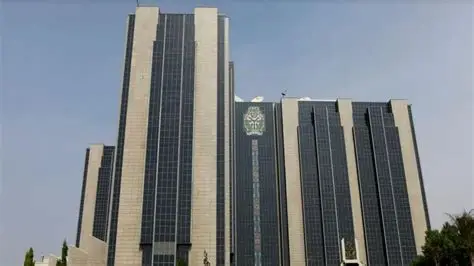
Nigeria’s central bank kept its benchmark interest rate unchanged at 23% on Tuesday, pausing after a sharp cut two months earlier to evaluate the impact on prices and the currency.
The Monetary Policy Committee’s decision, announced by the Central Bank of Nigeria on its official X account following the 308th meeting in Abuja, also left the standing facilities corridor and cash reserve requirements unchanged.
The corridor stays at +50/-300 basis points around the Monetary Policy Rate. Cash reserve ratios remain 45% for deposit money banks, 16% for merchant banks and 75% for non-TSA public-sector deposits.
Governor Olayemi Cardoso said the hold would help anchor inflation expectations and sustain the disinflation process while risks to the outlook persist.
The naira weakened to N1,394.01 per dollar on the official Nigerian Foreign Exchange Market on Monday, its softest level since March, from N1,389.73 the previous Friday. Parallel-market rates traded near N1,445–N1,450.
External reserves stood at about $54.58 billion as of November 20, having declined in recent weeks even as they remain well above levels a year earlier
Headline inflation slowed to 14.06% in October from 14.63% in September, the fifth straight monthly decline, according to the National Bureau of Statistics. Food inflation remained elevated at 19.13% while core inflation eased to 10.78%.
In September the committee cut the rate by 350 basis points to 23% from 26.5%, describing the move as an operational realignment to improve policy transmission rather than a broad shift to easing.
Broad money supply rose 24% year-on-year to N146.6 trillion in September, raising concerns that excess liquidity, potential pre-election spending and foreign-exchange volatility could reverse disinflation gains.
The cautious stance prioritises external-reserve adequacy and naira stability as Nigeria moves toward a formal inflation-targeting framework. Borrowing costs for companies and households are likely to stay elevated into early 2027.
Meanwhile, the November meeting was the final scheduled policy decision of 2026.