By: ThinkBusiness Africa
Nigeria’s investment landscape recorded a significant shift in the third quarter of 2025, as Foreign Direct Investment (FDI) skyrocketed to $720 million; representing an extraordinary 700% increase from the $90 million recorded in the previous quarter (Q2 2025), according to the latest Balance of Payments (BoP) report released by the Central Bank of Nigeria (CBN).
The surge marks the highest quarterly FDI inflow of the year, signaling a potential cooling of investor skepticism that has dogged West Africa’s largest economy in recent years.
Analysts suggest the Q3 surge is a “confidence vote” in the long-term sustainability of the government’s macroeconomic reforms.
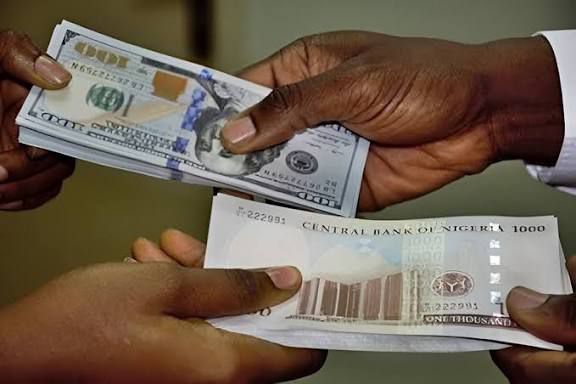
Following the unification of the Naira and the clearance of the $7 billion FX backlog earlier in the year, foreign investors are finding it easier to forecast returns and repatriate dividends.
The ongoing banking sector recapitalization exercise, with CBN’s directive for banks to increase their capital base has triggered a wave of foreign equity participation as tier-1 banks seek to consolidate their positions.
According to the report, crude oil production reaching a mid-year average of 1.78 million barrels per day and the full operation of the Dangote Refinery, the energy sector has once again become a magnet for “bricks and mortar” capital.
The Q3 data reveals a fascinating divergence in capital types. While FDI (long-term investment in physical assets and companies) rose by 700%, Foreign Portfolio Investment (FPI)—often referred to as “hot money”—saw a sharp decline.
FPI declined over 52% to $2.51billion in Q3 from $2.51 billion recorded in Q2. On the foreign exchange reverse front, external reserves saw a 13% increase to $42.77 Billion in Q3 from $37.81 Billion in Q2.
Recent data from the CBN shows that external reserve reserves continue to grow, grossing over $45 billion in December.
The shift in FPI suggests that investors are moving away from short-term speculative instruments (like T-bills) toward more stable, productive investments in the Nigerian economy.
The Non-Oil Sector remained the primary engine of growth, contributing over 96% to the GDP in Q3.
Despite the positive FDI news, the Current Account Surplus dropped by 41% to $3.42 billion (from $5.81 billion in Q2), largely due to rising external debt obligations and a surge in imports of industrial machinery.
While the $720 million figure is a significant leap for 2025, it remains a fraction of Nigeria’s historical peaks. Economists warn that for this trend to hold, the government must continue to address high energy costs and internal security.
The Q3 numbers show that many foreign boards are no longer waiting on the reforms but are taking huge bets on the reform agenda by funding it.