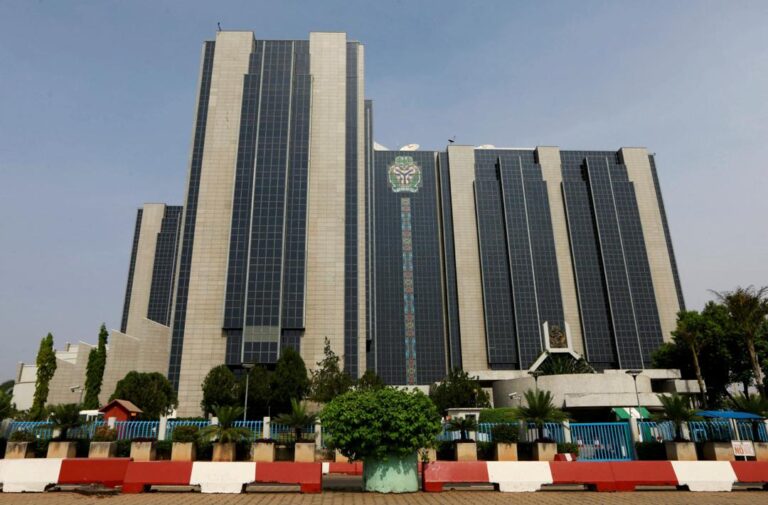

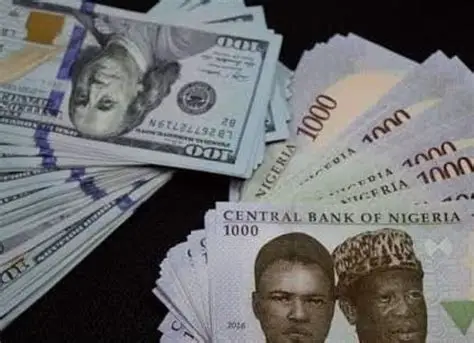
Nigeria’s net foreign exchange reserves have surged to $46 billion, driven by sustained exchange rate stability and rising capital inflows.
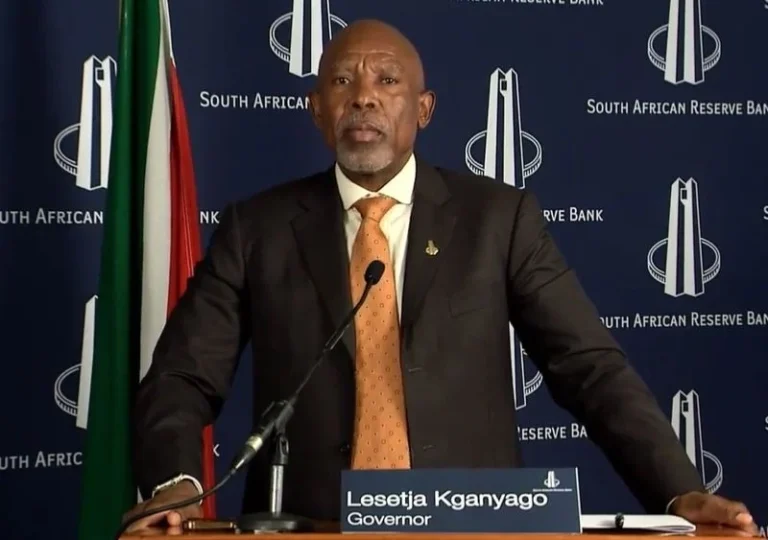
Central Bank of Nigeria Governor Olayemi Cardoso disclosed the figures at the Nigeria-Asia Connectivity Dialogue on Thursday. He confirmed gross foreign reserves hit an all-time high of $55 billion.
“The gross foreign reserves are now at an all-time high of $55 billion. Our net reserves is at US$46 billion,” Cardoso stated.
“In addition to that, the foreign exchange market is stable. These are the things that give investors confidence. You can plan. You can bring in money and take it out,” he added.
The $46 billion net reserve figure represents an $11.2 billion increase from $34.80 billion recorded at the end of December 2025. Net reserves deduct foreign-currency liabilities to reveal liquid external buffers.
The recovery marks a historic turnaround from the peak of the foreign exchange crisis, when liquid net buffers dropped below $1 billion.
The naira has consolidated within a narrow trading range between N1,330 and N1,332 per dollar. This stability contrasts sharply with extreme volatility following initial market-clearing reforms.
Increased diaspora remittances, crude revenue inflows, and capital imports continue to fuel reserve expansion. Expanding domestic refining has also reduced foreign currency demand for fuel imports.
The reserve build-up surpasses the central bank’s earlier year-end target of $51.04 billion. Meanwhile, rating agency Fitch recently revised Nigeria’s credit outlook to positive, citing strengthened macroeconomic buffers.