
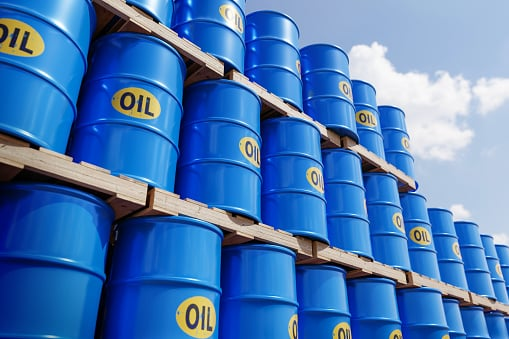
Nigeria’s crude oil production, including condensates, is projected to surpass 1.7 million barrels per day (mbpd) in the second (H2) of 2026. This recovery is expected to provide critical fiscal relief for the West African nation.
The projection was detailed in the Nigeria Economic Summit Group’s (NESG) 2026 Half-Year Outlook Report, titled “Turning Potential into Progress: Accelerating Nigeria’s Industrialisation for Economic Transformation and Inclusion”.
The anticipated volume recovery stems from structural gains in the energy sector. Improved pipeline security, reduced crude theft in the Niger Delta, and renewed upstream investment following recent licensing rounds are driving the uptick.
Global crude prices are expected to average $70 to $80 per barrel in H2 2026 under the NESG’s baseline scenario—comfortably above Nigeria’s $64.85 national budget benchmark. Escalating Middle East tensions could push prices higher.
Higher output alongside favorable pricing will expand government revenue and support foreign exchange liquidity. The economic think tank forecasts national gross external reserves to rise to $53 billion by year-end.
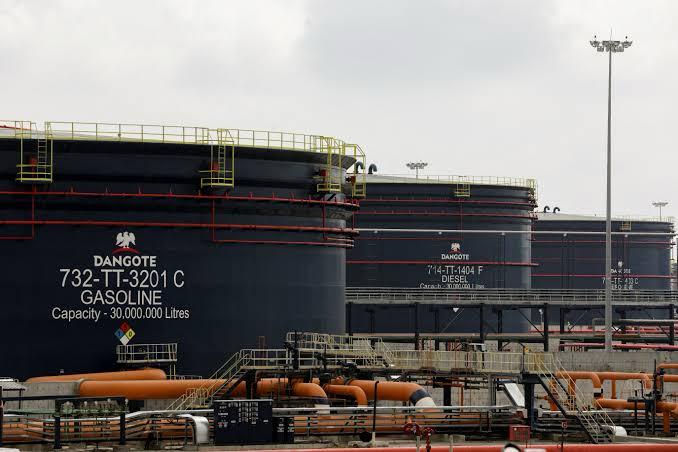
Increased domestic refining activity, anchored by the operational ramp-up of the Dangote Refinery and state-owned facilities, is concurrently curbing refined petroleum imports and easing structural foreign exchange pressures.
Despite the positive volume outlook, output above 1.7 mbpd still trails the federal government’s official 2026 budget benchmark assumption of 1.84 mbpd. This leaves slim margin for operational disruptions.
The oil sector’s momentum is projected to accelerate national real GDP growth to 4.5% in H2 2026, bringing the full-year economic growth estimate to 4.2%.
This fiscal cushion builds on early 2026 macroeconomic momentum, where Nigeria recorded a N7.55 trillion trade surplus in Q1 and gross FX reserves reached $51.5 billion by mid-year.
However, the NESG cautioned that over-reliance on hydrocarbon revenue leaves the economy vulnerable to global shocks, urging accelerated industrial policy execution.