

Global crude oil benchmark prices dropped by over 1% on Thursday. Investors weighed escalated supply risks in the Middle East against aggressive U.S. government proposals to reduce energy logistics expenses.
International benchmark Brent crude futures dropped $1.64, or 1.6%, to trade at $104.42 a barrel by 0337 GMT. The loss erased gains made during Wednesday’s trading session.
Simultaneously, U.S. West Texas Intermediate (WTI) crude futures shed 98 cents, or 1%, slipping to $94.11 per barrel. The decline comes despite broader commodity volatility driven by geopolitical tensions across critical transit points.
Trading sentiment shifted after Washington signaled plans to ease targeted maritime sanctions. U.S. officials are exploring regulatory relief for shadow fleet oil tankers to reduce soaring petroleum freight rates and stabilize transport costs.
The policy measure neutralized energy market anxiety concerning military attacks on commercial shipping vessels. Energy traders remain concerned over potential transit disruptions near the Strait of Hormuz, a key choke point for global oil.
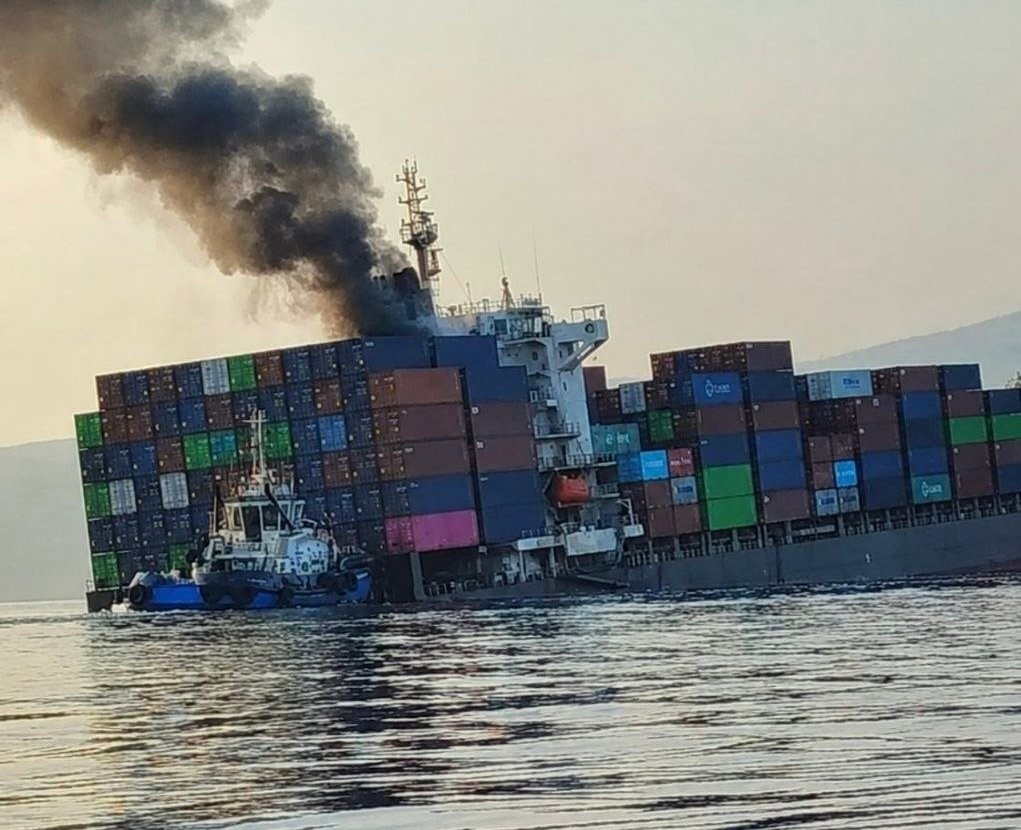
Meanwhile, on Wednesday a Singapore flagged ship identified as the GFS Pride sank at the strait of Homuz after hitting a mine placed by Iran. The ship had over 2500 containers on board; raising fear of continuous maritime disruption at the strait.
However, the price pullback occurred even as secondary market data indicated a steep 11.1-million-barrel drawdown in U.S. commercial crude inventories for the week ending October 9, highlighting prevailing macroeconomic uncertainties.