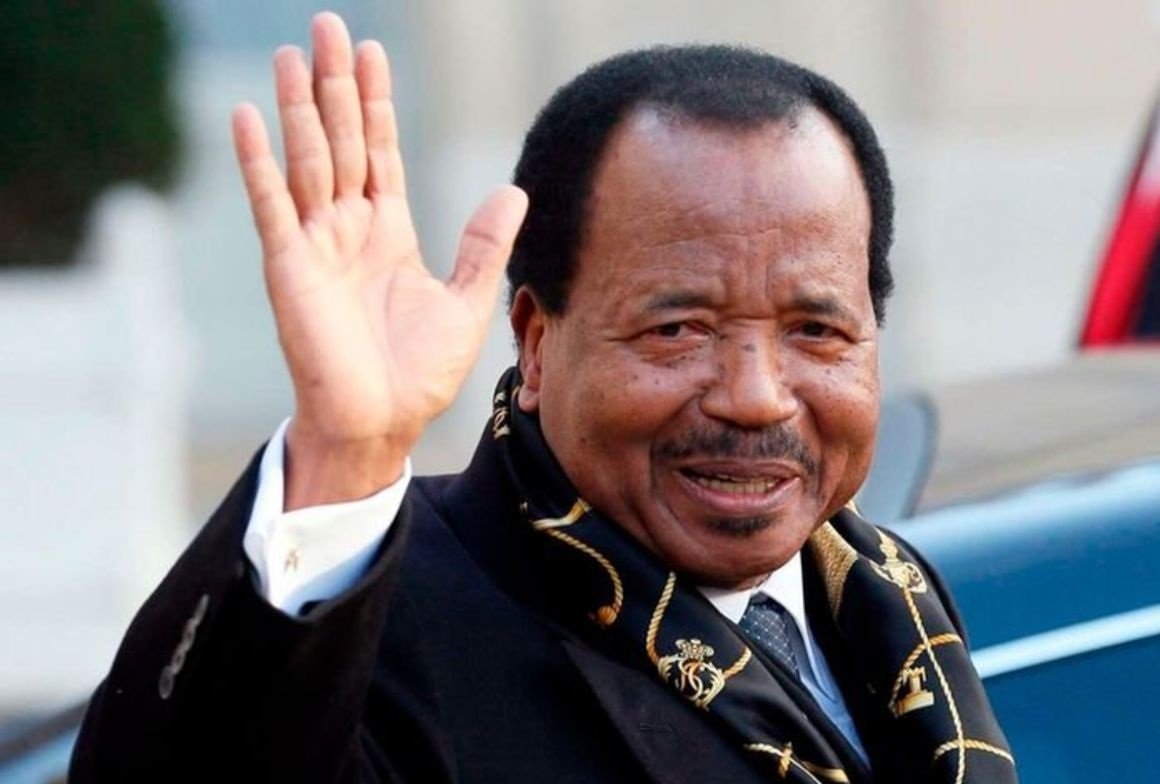
Cameroon’s President Paul Biya returned to Yaoundé on Thursday following a 73-day stay in Geneva, terminating his longest recorded period abroad since assuming the head of state role in 1982.
A spokesperson for the presidency confirmed the 93-year-old leader arrived via private jet, addressing persistent political instability and market anxiety stemming from his prolonged absence from Central Africa’s largest economy.
The 10-week hiatus triggered severe constitutional debate, prompting opposition factions to petition the Constitutional Council to declare a power vacancy due to Biya’s failure to designate an official political successor.
Macroeconomic vulnerability mounted during the absence, with sovereign bond spreads widening as international rating agencies highlighted governance risks and fiscal execution delays linked to executive decision-making bottlenecks in Yaoundé.
Under Cameroon’s current legal architecture, the Senate President assumes interim executive powers if the presidency is rendered vacant, a scenario threatening to disrupt major public infrastructure projects and regional trade flows.
Biya’s return follows extended medical rumors, coinciding with rising food inflation at 6.3% in July and severe domestic political pressure ahead of critical upcoming fiscal budget approvals and key bilateral debt restructuring negotiations.
The economic anchor of the Central African Economic and Monetary Community (CEMAC) now faces heightened calls from civil society and institutional investors for immediate constitutional reforms regarding presidential term limits.