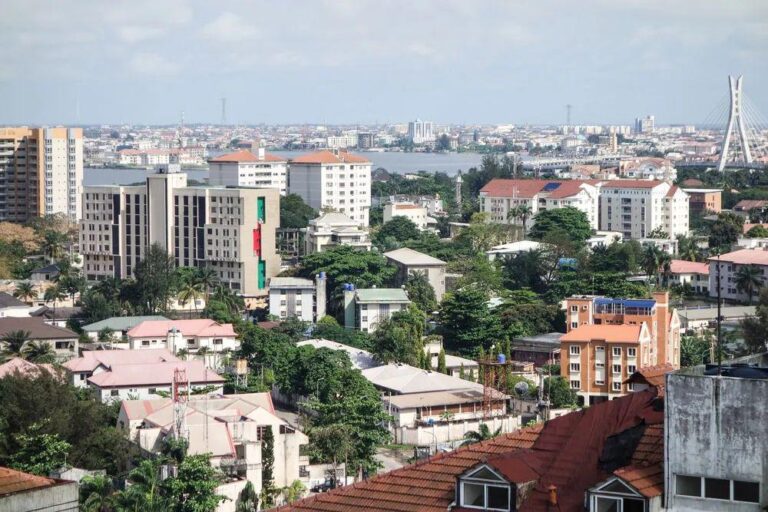

LAGOS – S&P Global has raised its 2026 average inflation forecast for Nigeria to 16.9%, up from 15.0%, blaming aggressive pass-through from high global oil prices to domestic transport and energy costs.
The rating agency simultaneously cut Nigeria’s 2026 GDP growth projection by 30 basis points to 3.7%. Higher inflation is expected to severely weaken household consumption, the economy’s primary driver.
This revision, published in S&P’s Q3 2026 Emerging Markets economic outlook, marks the largest upward inflation adjustment among major economies in Europe, the Middle East, and Africa.
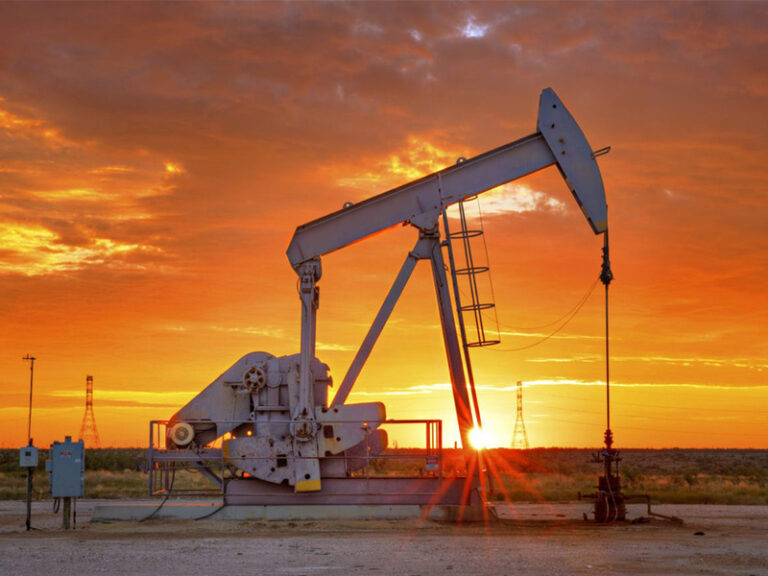
The agency noted that despite massive local refining capacity via the Dangote Refinery, domestic pump prices remain tied to international benchmarks, which were pushed higher by recent Middle East geopolitical conflicts.
S&P expects secondary food inflation to accelerate in the coming months. This trend will be driven by expensive transportation and rising global fertilizer costs feeding into agricultural supply chains.
To combat these lingering pressures, S&P projects the Central Bank of Nigeria will maintain a tight monetary stance, keeping its benchmark interest rate at 26.0% through the end of 2026.
The revised outlook comes amid a third
consecutive monthly rise in headline inflation, which reached 15.93 percent in May 2026, driven primarily by soaring food and transport costs.
However, the wider economy remains resilient. Nigeria’s gross domestic product (GDP) expanded by 3.89% in the first quarter of 2026, outperforming the 3.13% growth recorded in early 2025.
Furthermore, S&P upgraded Nigeria’s sovereign credit rating to ‘B’ from ‘B-‘ last month, citing improved revenue collections and a projected decline in the national debt-to-revenue ratio to 338%.