
An impending “super” El Niño event could wipe out between $10 billion and $20 billion across vulnerable African economies, driving widespread human displacement and severe fiscal distress.
The warning comes from Dr. Anthony Nyong, Director for Climate Change and Green Growth at the African Development Bank (AfDB).
Nyong cautioned that hard-hit nations risk losing 1% to 2% of their Gross Domestic Product (GDP) on average.
“Just this event is going to reduce heavily affected countries’ GDP by 1% to 2% on average, which is about $10 billion to $20 billion across the continent,” Anthony Nyong, the AfDB’s director for climate change and green growth, said in an interview with Reuters.
The multilateral lender singled out Sudan, South Sudan, the Democratic Republic of Congo, Somalia, Mali, Burundi, and Nigeria as facing the highest risk exposure.
The climate shock directly threatens Africa’s broad macroeconomic trajectory. The AfDB previously projected the continent’s economy to grow by 4.2% this year, a baseline now upended by ocean warming trends.
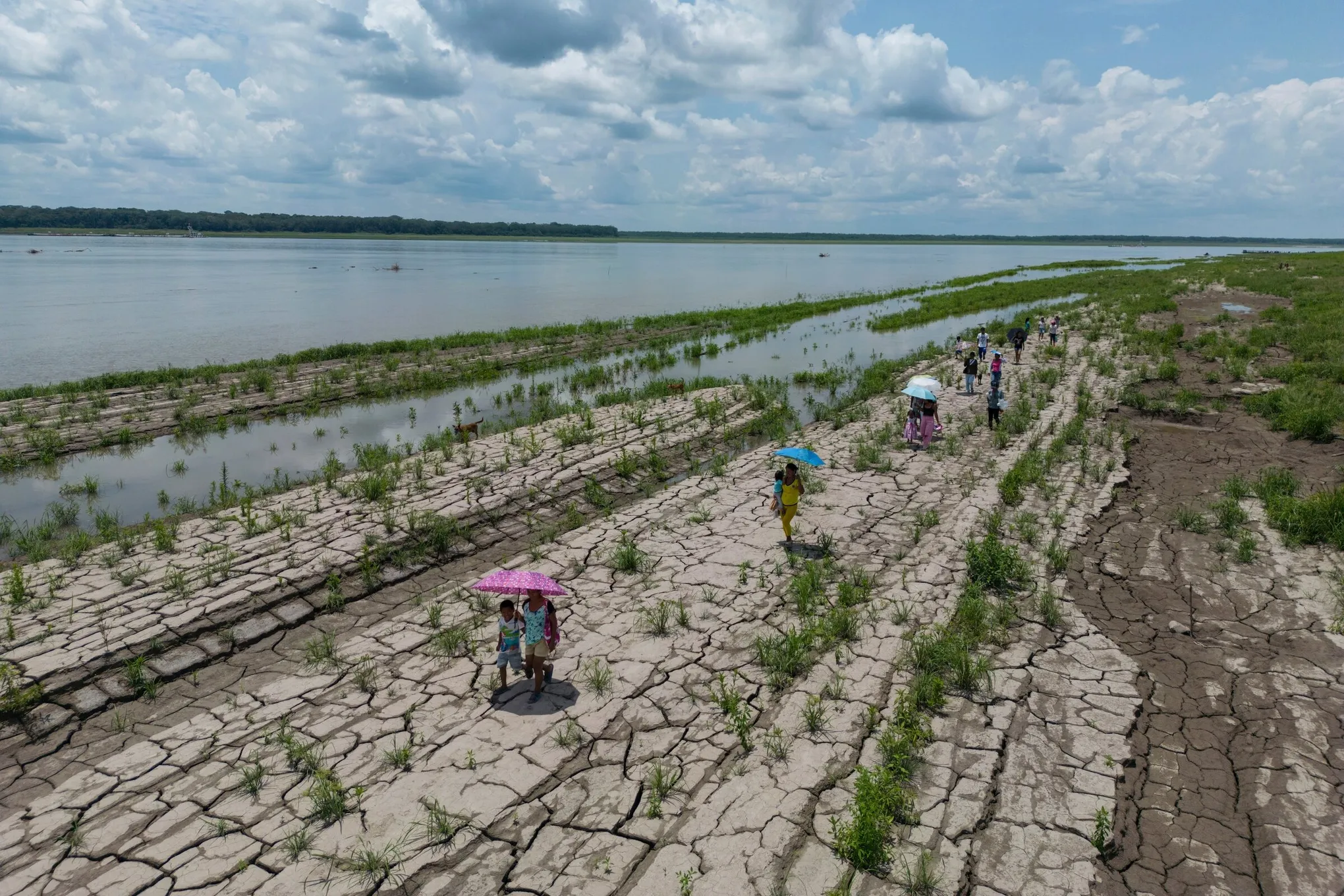
With rain-fed agriculture dominant across the region, crop destruction could double staple food prices, notably maize, compounding regional food insecurity and accelerating rural-to-urban migration.
“When this El Niño comes there is going to be mass migration,” He said.
Shrinking grazing lands and water sources are also expected to intensify resource-based conflict and cross-border displacement across vulnerable sub-Saharan corridors.
Beyond sector-specific disruptions, widespread physical destruction of energy, transport, and municipal infrastructure threatens to trigger debt defaults, placing additional pressure on national banking systems and sovereign balance sheets.
Consequently, the AfDB estimates Africa’s immediate climate adaptation funding needs will double from $50 billion to $100 billion over the next 12 months.
This economic assessment arrives amid broader global mobilizations. The United Nations recently pledged to unlock up to $100 million in emergency response capital ahead of peak weather disruptions.
To evaluate project risk exposure and structure targeted emergency intervention facilities, the AfDB will conduct a bank-wide portfolio review in September.