

Cooking Gas Surges To N1,700 Per Kg In Gas-Rich Nigeria As Marketers Warn Of Consumer Backlash

LAGOS—Gas-rich Nigeria is facing a domestic energy crisis as the retail price of liquefied petroleum gas, used widely for cooking, surged to an unprecedented 1,700 naira ($1.15) per kilogram. The extreme price hike has forced independent marketers to warn that frustrated consumers may soon vent their anger directly by attacking local cooking gas filling stations. Industry data shows the price to refill a standard 12.5-kilogram cylinder has spiraled toward 21,250 naira, a devastating blow in a nation struggling with deep cost-of-living adjustments. “Citizens may rise against the owners of gas filling stations if this supply crisis is not immediately checked,” warned Bassey Essien, Executive Secretary of the Nigerian Association of Liquefied Petroleum Gas Marketers. Marketers blame severe shortages and a near-monopoly at coastal depots, where the wholesale cost of a 20-metric-tonne truck has skyrocketed beyond 25 million naira, squeezing retail margins. The crisis hits at a difficult time, as inflation remains stubbornly high following aggressive government economic reforms, including the removal of fuel subsidies and devaluation of the local currency. Unable to afford the surging costs, millions of low-income urban households are rapidly abandoning clean energy initiatives and reverting to cheaper, polluting biomass alternative fuels like charcoal and firewood. According to official data from the Nigerian Upstream Petroleum Regulatory Commission (NUPRC), Nigeria’s proven natural gas reserves stand at 215.19 trillion cubic feet (TCF). This massive volume makes Nigeria the largest natural gas reserve holder in Africa. Despite sitting on Africa’s largest gas reserves, Nigeria faces a deep domestic paradox. The vast majority of the gas captured is cooled and processed for high-value export as Liquefied Natural Gas (LNG) to Europe and Asia to generate foreign exchange.
East med energy security: Egypt and Cyprus fast-track gas cooperation at EGYPES 2026
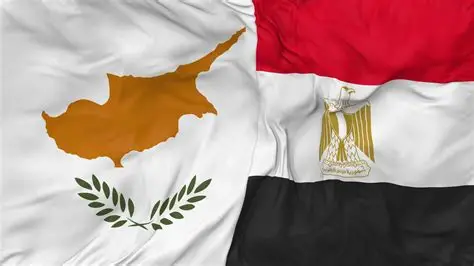
CAIRO — Egypt and Cyprus signed a strategic framework agreement on Monday to fast-track the development of offshore gas fields, signaling a major step toward transporting Cypriot natural gas to Egyptian processing plants for export to Europe. The agreement was finalized during the opening day of the Egypt Energy Show (EGYPES 2026) in Cairo, witnessed by Egyptian President Abdel Fattah El-Sisi and Cypriot President Nikos Christodoulides. The deal establishes a roadmap for the commercial exploitation of the Kronos and Aphrodite gas fields located in Cyprus’s Exclusive Economic Zone (EEZ). Infrastructure and Export Goals Under the terms of the framework, subsea pipelines will be constructed to link the Cypriot fields to Egypt’s existing liquefied natural gas (LNG) facilities at Idku and Damietta. This infrastructure allows Cyprus to bypass the need for independent liquefaction plants, instead utilizing Egypt’s established capacity to reach international markets. Cypriot Energy Minister Michalis Damianos noted that the technical committees formed under this agreement aim to see the first gas sales to Europe by the 2027–2028 window. Regional Energy Hub Ambitions For Egypt, the deal reinforces its position as a central energy hub in the Eastern Mediterranean. By processing Cypriot gas, Cairo secures steady feedstock for its LNG terminals, which have faced supply fluctuations due to rising domestic demand and regional volatility. The move is also seen as a critical component of the East Mediterranean Gas Forum’s broader strategy to reduce Europe’s reliance on Russian energy by providing a reliable, alternative supply route through the Suez Canal and Mediterranean corridors. Background and Technical Scope The Aphrodite field, discovered in 2011, holds an estimated 3.6 trillion cubic feet (tcf) of gas, while the more recent Kronos discovery has further bolstered Cyprus’s reserves. Previous delays in development were largely attributed to pricing negotiations and infrastructure disagreements, which officials believe this unified framework will finally resolve. The EGYPES 2026 conference, which continues through April 1, is expected to host further deal-signings as North African and Mediterranean nations coordinate on decarbonization and energy security.