

Oil Prices Plunge Below $79 as Hormuz Diplomatic Breakthrough Nears
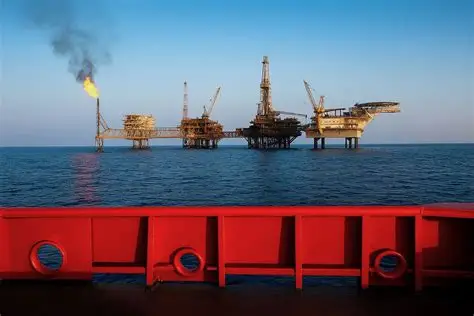
Brent crude futures fell 92 cents, or 1.2%, to $78.44 a barrel in early Wednesday trade, extending a three-day decline that has wiped out more than 12% of its value. According to trading data from global energy exchanges, the sell-off deepened after U.S., Qatari, and Omani officials indicated talks with Tehran to reopen the blockaded Strait of Hormuz were advancing. The global benchmark touched its lowest level since mid-July, dropping after U.S. Treasury Secretary Scott Bessent stated a deal restoring commercial vessel traffic through the waterway could be reached imminently. The strategic chokepoint previously carried nearly one-fifth of global oil consumption before military conflict shut down regular shipping routes in February, driving retail fuel prices higher worldwide over recent months. U.S. West Texas Intermediate futures also declined to $74.70 a barrel. Market analysts noted that while risk premiums are unwinding fast, physical crude supplies will remain tight until shipping fully resumes.
Africa ridden by debt servicing, Middle East escalation more burden, Dangote says

Africa’s richest man Aliko Dangote said on Monday that the ongoing US-Israeli conflict with Iran could put more strain on African economies which are already struggling with high debt servicing. He warned that despite Africa having nothing to do with the conflict, the continent is still very much exposed to global energy price volatility, which will create hardship for the people and government. If the conflict doesn’t de-escalate soon, the business tycoon warned that the world would likely experience a replica of what happened during the COVID-19 pandemic—people would be forced to work from their homes again—because of high energy costs. Africans rely on daily earnings without much savings or reserves that could last for weeks or months – if the continent should go back to lockdown because of rising energy prices – Dangote said “a lot of people would not have anything to eat.” “Africa is very busy paying debts, putting this (price volatility from Middle-East escalation) again upto of us is going to add a lot of hardship on people and on the government” Dangote told reporters. S&P forecasted that Over 25 African nations are expected to exceed the 20% debt service-to-revenue benchmark this year. In countries like Egypt, interest payments could absorb as much as 70% of government revenue in 2026, largely due to high domestic borrowing costs and the fallout from exchange rate liberalizations. Last week, the World Food Programme (WFP) issued a global alert, warning that the escalating volatility in the Middle East is threatening to plunge an additional 10.4 million people in West and Central Africa into acute food insecurity, a staggering 21% increase in the number of people facing hunger across the region. Dangote’s comments come as Nigeria’s Dangote Refinery increases gasoline exports to Africa, capitalizing on disruptions to traditional fuel supply routes. The refinery has sold 12 cargoes of premium motor spirit to countries like Cote d’Ivoire, Cameroon, and Ghana.
