

Kiir Dismisses South Sudan Central Bank Governor Amid Deepening Economic Crisis
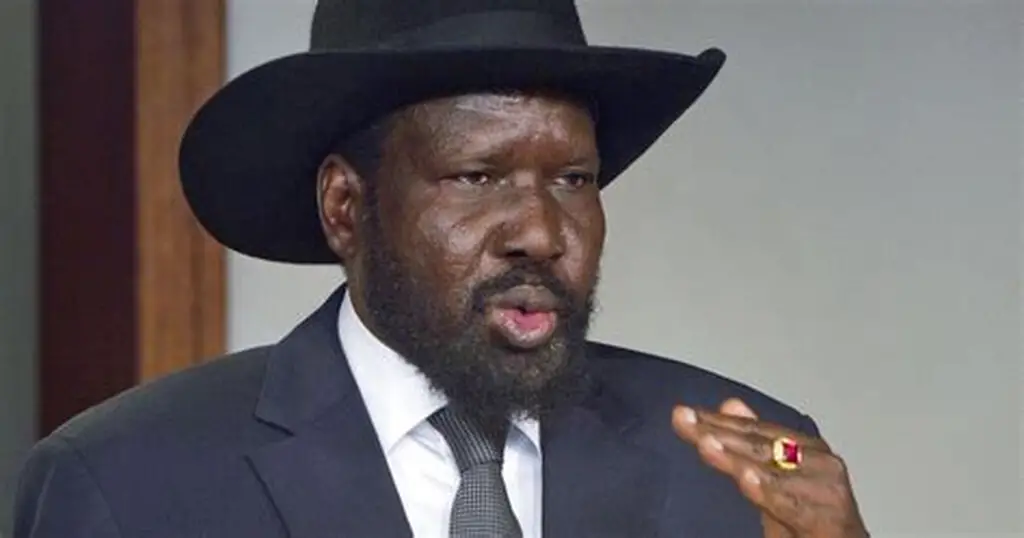
South Sudan President Salva Kiir has removed Bank of South Sudan Governor Johnny Ohisa Damian, executing the latest high-level leadership overhaul as the country grapples with severe fiscal distress. According to a presidential decree broadcast on state television on wednesday, Kiir appointed Addis Ababa Othow as governor, reinstating him after he held the post in late 2025. While no official reason was provided for the sacking, the move follows months of acute currency depreciation, skyrocketing headline inflation, and critical liquidity shortages that have left civil servants unpaid. South Sudan depends on crude oil for over 90% of public revenue and foreign exchange earnings, but export volumes have plunged following conflict-related pipeline ruptures in neighboring Sudan. The dismissal highlights chronic churn at the central bank, marking Ohisa’s third exit since 2022 as policymakers struggle to contain foreign exchange illiquidity and stabilize macro indicators.
South Sudan: Kiir Ousts Top Ministers and Security Chiefs in Major Reshuffle
South Sudanese President Salva Kiir dismissed several top cabinet members and senior security officials in a sweeping decree announced Wednesday night. The reshuffle saw Foreign Minister Monday Semaya Kumba and Trade Minister Atong Kuol Manyang removed from their posts. No official reasons were provided for the sudden changes. Kiir also sacked Gen. Mawien Mawien Ariik, head of the Internal Security Bureau. This marks a significant leadership shift within the nation’s powerful National Security Service. Ambassador James Pitia Morgan was appointed as the new Foreign Minister. Morgan returns to the role after previously serving as a presidential envoy for the Great Lakes region. Gen. Akec Tong Aleu replaces Ariik as the intelligence chief. Meanwhile, Atong Kuol Manyang was reassigned to lead the Ministry of Youth and Sports. The restructuring comes as the government faces pressure to improve diplomatic ties. Juba has recently sought increased investment from Western partners, particularly in the mining and oil sectors. The removals follow a pattern of frequent leadership rotations. Analysts suggest Kiir uses these tactics to consolidate power and prevent the rise of internal political rivals. In February, Kiir had sacked the Finance Minister Dr. Bak Barnaba Chol after only three months in office, marking the ninth time the position has changed hands since 2020. Recent context highlights South Sudan’s fragile stability under a 2018 peace deal. The nation continues to navigate delayed elections, armed conflict, and a deepening humanitarian crisis. International observers remain concerned about the pace of democratic reforms. These latest administrative changes are seen as a move to tighten control ahead of future political transitions.