
Zambia Secures $1.5 Billion U.S. Health Pact after Resolving Sovereign Data Dispute
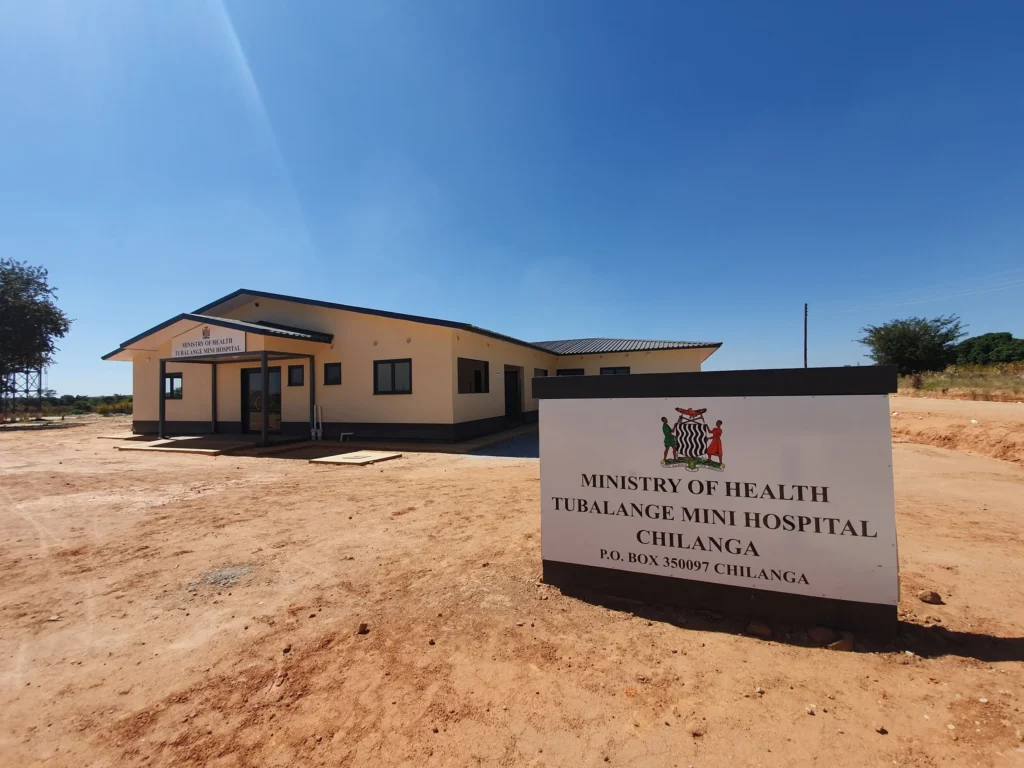
Zambia will sign a five-year, $1.5 billion public health agreement with the United States after successfully resolving disputes over medical data governance and physical specimen transfers. According to Health Minister Elijah Muchima, speaking on Tuesday, the government secured the removal of a contentious mandate that would have required physical patient specimens to be transferred to Washington upon request. Under the amended deal, bilateral health data sharing will now be strictly restricted to monitoring and evaluating U.S.-funded medical programs, protecting national data sovereignty and patient privacy across local health networks. Muchima also confirmed that health funding has been completely uncoupled from critical mineral concessions, quashing earlier concerns that foreign healthcare assistance was being leveraged to gain access to Zambia’s vast copper reserves. The $1.5 billion capital injection, running through 2030, will directly fund national prevention, management, and treatment programs targeting major public health threats, including HIV/AIDS, malaria, and tuberculosis across the Southern African nation. Beyond disease treatment, the five-year grant will upgrade local healthcare infrastructure, strengthen laboratory diagnostic networks, modernise health-tracking information systems, and fund medical staffing expansion across public facilities nationwide. The resolution follows months of intense diplomatic debate across Africa, where civil society groups and sovereign governments questioned expanded foreign data collection frameworks tied to long-term health assistance packages. While neighboring nations like Kenya, Nigeria, Tanzania, and Uganda accepted updated U.S. aid structures, Ghana and Zimbabwe recently rejected similar health financing agreements specifically citing privacy and surveillance concerns.
Zambia Inflation Hits New Eight-Year Low at 6.2% as Kwacha Gains
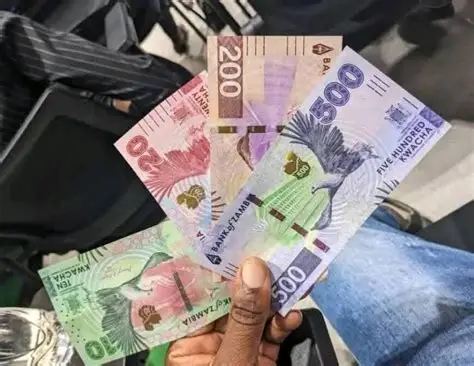
Zambia’s headline inflation rate slowed to 6.2% year-on-year in August 2026, down from 6.5% recorded in July, official figures show. According to data released by the Zambia Statistics Agency on Thursday, consumer price growth has now reached its lowest level since February 2018. The deceleration pulls headline inflation closer to the lower bound of the Bank of Zambia’s 6% to 8% target range. The disinflation trend was largely sustained by the ongoing strength and resilience of the domestic kwacha. A stronger currency has helped buffer the copper-rich African nation from imported price pressures and volatile international input costs. On a sequential basis, consumer prices rose by 0.2% month-on-month in August, maintaining the exact pace set in July. The latest reading highlights significant stabilization over recent years. Annual inflation stood far higher at 12.6% in August 2025. Stronger copper export earnings, external debt restructuring milestones, and steady foreign exchange inflows have bolstered the kwacha’s recovery. The sustained cooling of price pressures gives central bank policymakers expanded room to support broader domestic economic activity. Last week, Zambia concluded its presidential election. The incumbent president Hakainde Hichilema, secured a second five-year mandate with 2,965,326 votes, representing 61.4 % of the votes count.
Legal Access Locked: Zambia Shuts Highest Courts On Election Challenge Deadline
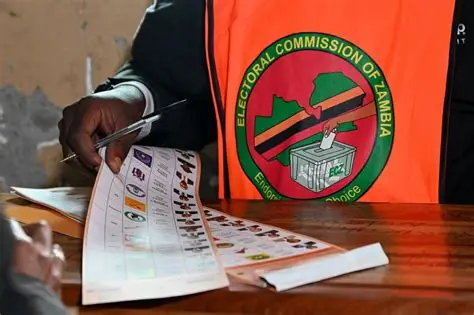
Zambian authorities abruptly shut down the country’s main judicial complex on Monday, blocking opposition lawyers from filing a legal challenge on the final statutory deadline following the contested August 13 presidential election. Security personnel turned away legal teams at the Supreme and Constitutional Courts in Lusaka under an internal directive citing undisclosed security risks, according to reports monitored by local civil society representatives. The physical lock-out prevents opposition leader Brian Mundubile from lodging his petition to overturn official results that declared incumbent President Hakainde Hichilema winner with 61.4% of the vote against Mundubile’s 38%. Under Zambian electoral law, aggrieved presidential candidates are mandated a strict seven-day window following the official outcome announcement—which lapses early Tuesday morning—to present evidence of election fraud before the Constitutional Court. The legal impasse caps a volatile post-election week marked by police raids, opposition detentions, and a formal European Union observer report pointing to significant transparency gaps and distorted campaign conditions in the copper-rich nation.