By: ThinkBusiness Africa
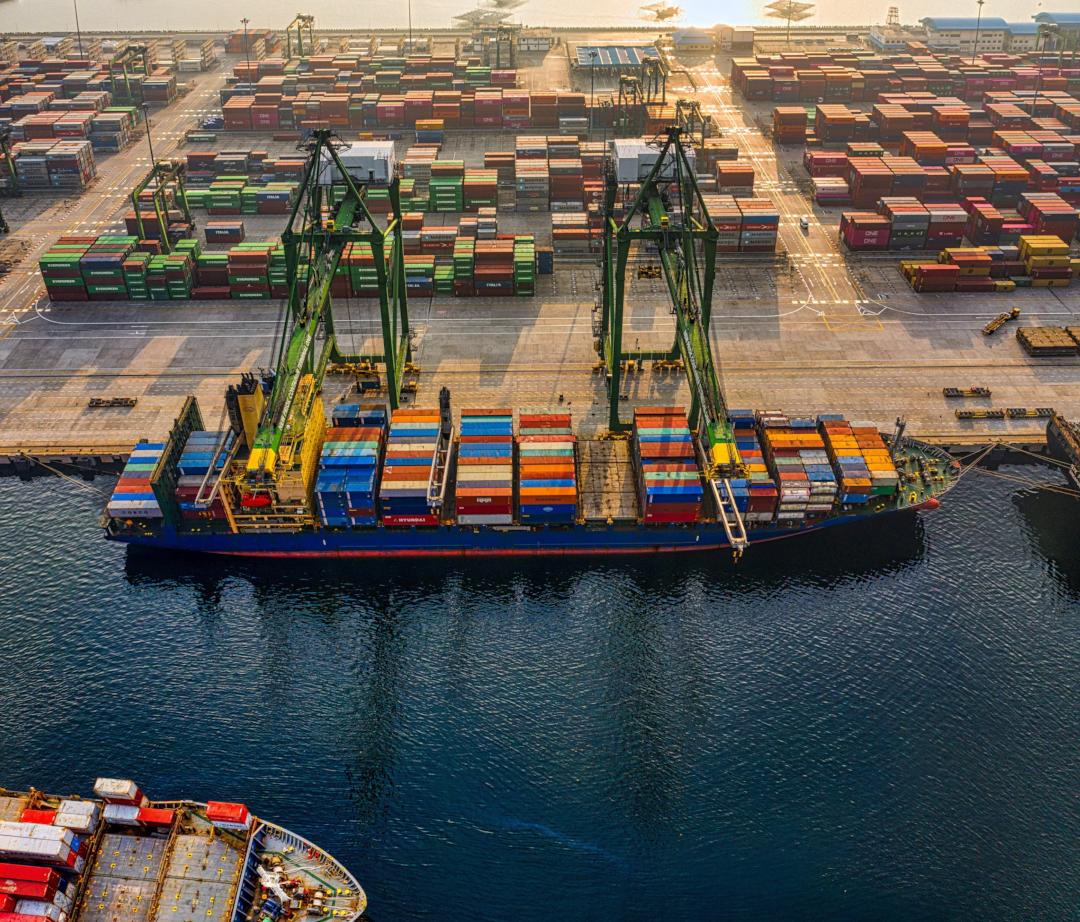
Kenya has reached an “early harvest” landmark trade agreement with China, granting 98.2% of its exports duty-free access to the Chinese market. The announcement, made on Thursday by the Ministry of Investments, Trade, and Industry, signals Nairobi’s determination to narrow a massive trade deficit despite intense diplomatic pressure from Washington.
The deal comes at a critical juncture for Kenya, which is currently navigating a high-stakes balancing act between its two largest economic partners: China, its primary creditor, and the United States, its traditional security ally.
For months, Kenya had been at a disadvantage compared to its East African neighbors. In late 2024, Beijing granted 100% duty-free access to all African Least Developed Countries (LDCs). Because Kenya is classified as a “developing nation,” it was initially excluded from this blanket waiver.
The deal is expected to be a windfall for Kenya’s agricultural sector, which forms the backbone of the economy. By removing tariffs on nearly all goods, the agreement specifically targets:
- Tea and Coffee: Kenya’s premier exports, which face growing demand in China’s urban centers.
- Avocados and Macadamia Nuts: Sectors that have seen rapid growth but have been hampered by high entry costs.
- Fish and Leather: Products slated for value-added processing to boost industrialization.
The Ministry estimates that the expanded market access will not only boost foreign exchange earnings but also create thousands of jobs in manufacturing and processing as exporters scale up to meet Chinese phytosanitary standards.
However, the timing is particularly sensitive. The African Growth and Opportunity Act (AGOA), which provides Kenya duty-free access to the U.S. market, expired in late 2025.
On Tuesday, the U.S. House recently voted to extend it for three years, Kenyan apparel exporters—who ship over $600 million annually to the U.S.—are currently facing tariffs as high as 28% during the transition.
“We see no tension between concluding a market access arrangement with China and our robust push for AGOA re-authorization and a separate trade agreement with the United States,” stated Korir Sing’oei, Foreign Affairs Principal Secretary.
While the “early harvest” provides immediate tariff relief, the two nations are moving toward a comprehensive bilateral trade deal. Technical teams from both sides are scheduled to meet later this month to operationalize the framework and finalize the remaining 1.8% of tariff lines.