By: ThinkBusiness Africa
The United States (U.S) as part of its “border first” policy on Tuesday announced a major expansion of U.S. travel restrictions, adding more countries to its existing ban. The move, set to take effect on January 1, 2026, primarily impacts the African continent, with 16 African countries now facing either total entry bans or severe visa limitations.
The announcement doubles the number of jurisdictions subject to the administration’s original June 2025 proclamation, bringing the total number of restricted countries to 39.
Under the new order, five African countries have been added to the “full entry ban” category. Citizens of these nations are prohibited from obtaining almost any type of immigrant or non-immigrant visa: Burkina Faso, Mali, Niger, South Sudan, Sierra Leone (upgraded from partial to full restrictions).
Nigeria, Africa’s most populous nation, was placed on a list of 15 countries facing “partial restrictions.” While not a total ban, the policy effectively suspends the issuance of immigrant visas and the most common non-immigrant visas, including: B-1/B-2: Business and tourism visitors; F and M: International students; J: Exchange visitors and researchers.
Other African nations added to this partial list include Angola, Benin, Gabon, The Gambia, Ivory Coast, Malawi, Mauritania, Senegal, Tanzania, Zambia, and Zimbabwe.
The White House justified the expansion by citing a “heightened threat environment.” Officials pointed specifically to the November shooting of National Guard members in Washington, D.C., by an Afghan national as a catalyst for tighter vetting.
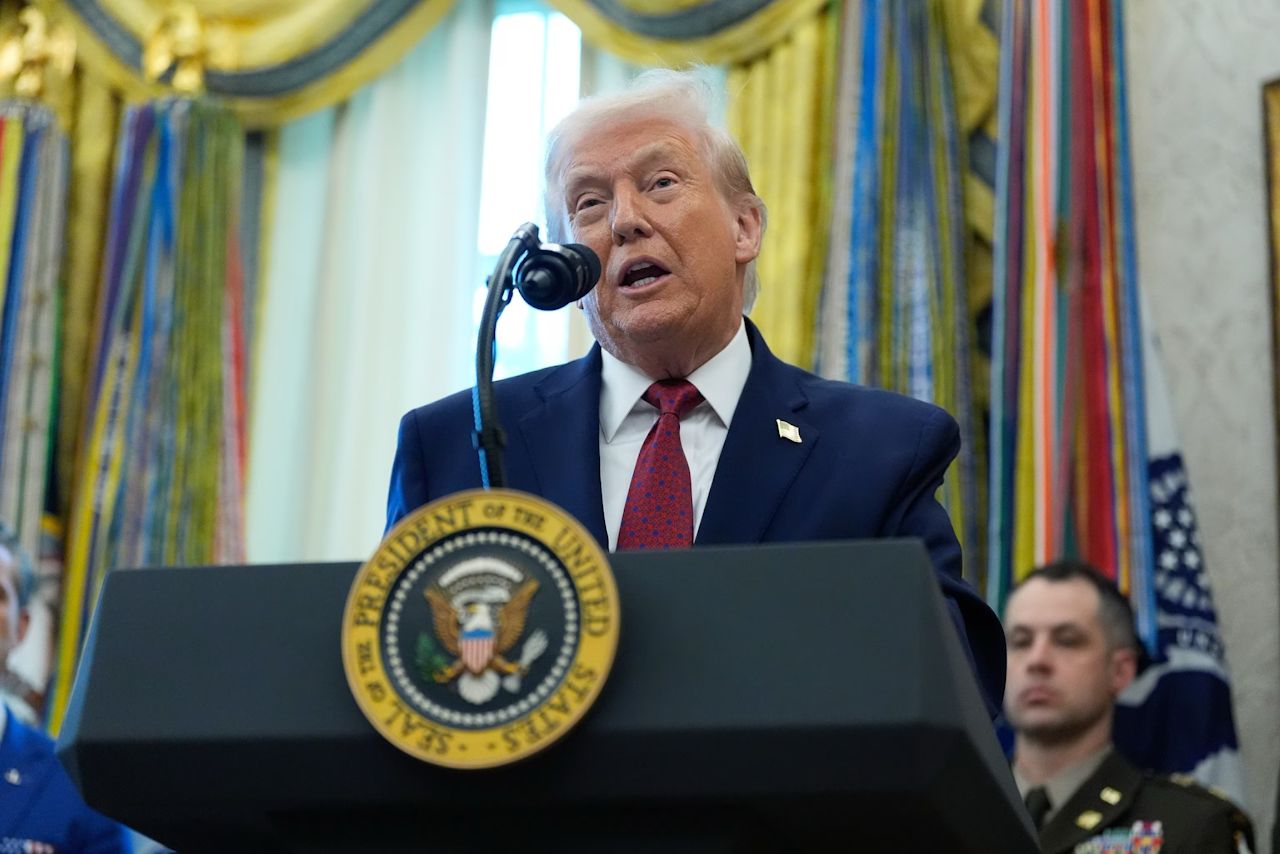
“President Trump is keeping his promise to restore travel restrictions on dangerous countries and to secure our borders.” Whithouse said in the proclamation statement.
Regarding Nigeria, the proclamation noted the active presence of Boko Haram and ISIS-West Africa, which the administration claims creates “substantial screening and vetting difficulties.” The order also cited a high student visa overstay rate of 11.9% for Nigerian nationals.
“It is the policy of the United States to protect its citizens from foreign nationals who exploit immigration laws for malevolent purposes,” the proclamation stated.
Earlier in November, president Donald Trump called Nigeria a “disgraceful country” accusing the government of being complacent in systematically killing innocent Christians. He further threatened to invade Nigeria if the killings continued.
The timing of the ban has raised immediate concerns regarding the 2026 FIFA World Cup, which the U.S. is co-hosting. Several affected nations, including Senegal and Ivory Coast, are to participate in the World Cup competition.
To mitigate fallout, the U.S has included specific exemptions for individuals traveling specifically for the World Cup or other major sporting events from the latest visa ban.