
African leaders came to the 81st United Nations General Assembly with the usual demand for two permanent Security Council seats. They also came with a complaint their finance ministries have been making for years: African governments pay too much to borrow.
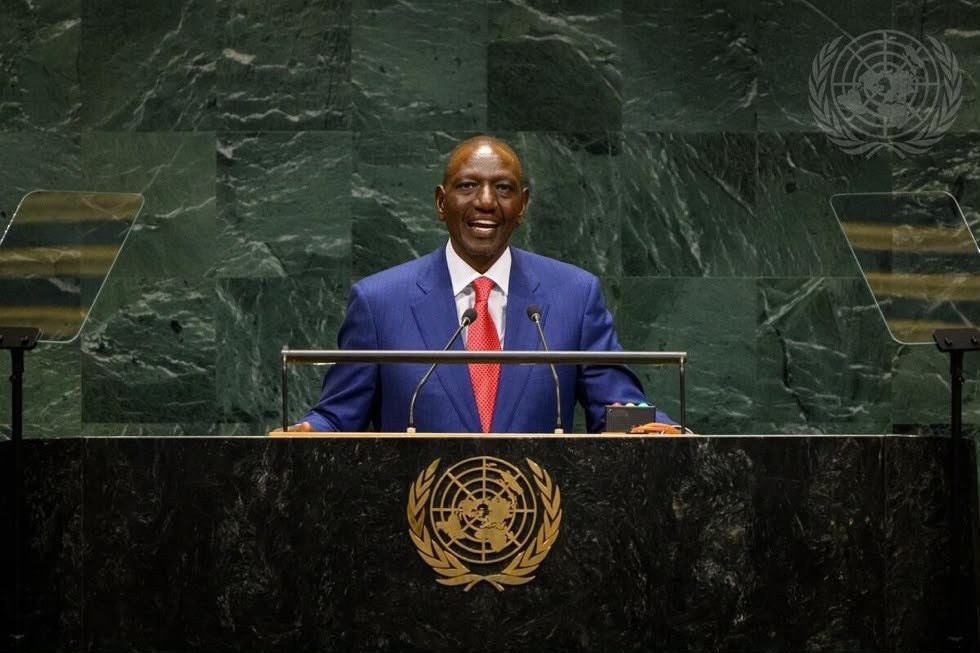
“The hospital competes with the creditor, the classroom competes with debt service, and too often the creditor is paid first,” Kenya’s President William Ruto told the Assembly on 23 September.
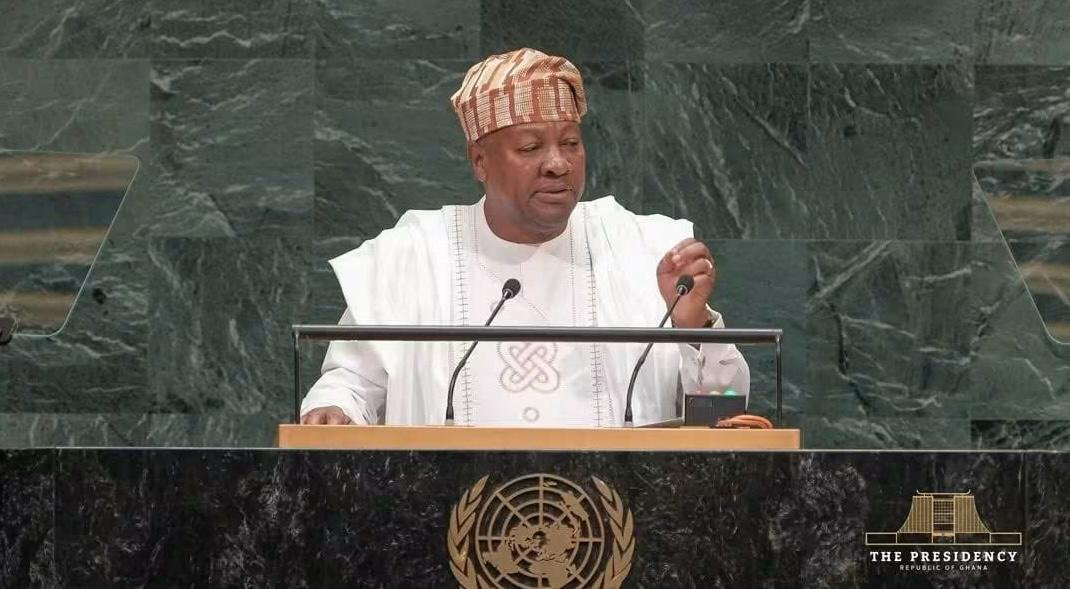
Ghana’s John Mahama went further the next day. Developing countries, he said, borrow at rates “up to eight times higher” than industrialised economies. Ruto had used a lower range, two to four times on average. Mahama added that African and Caribbean states already hit by floods and droughts are then forced to borrow to rebuild. The choice, as he framed it, is “to service predatory debt or serve their people.”
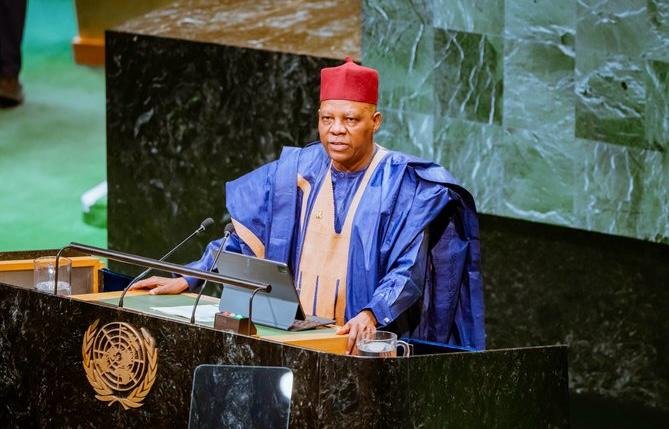
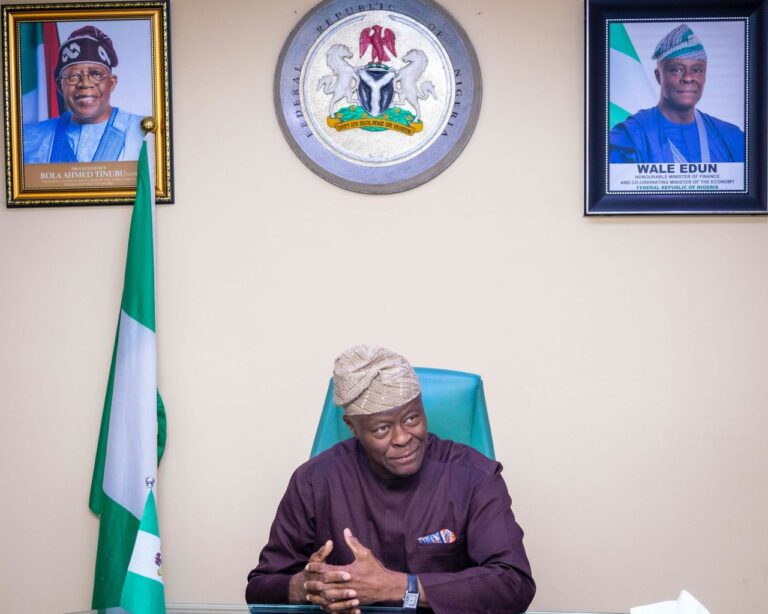
Nigeria’s vice-president, Kashim Shettima, reading President Bola Tinubu’s national statement, asked for cheaper concessional finance and debt rules that leave room for development spending. South Africa’s Ronald Lamola said African governments had spent about as much on debt service in the past year as they need to close the continent’s infrastructure gap. That burden, he said, “betrays the promise of development and destroys the prospects for democracy.”
Ruto’s figures were the ones repeated in the corridors. Global public debt reached $102 trillion in 2024, he said. Developing countries held less than a third of it and paid about $1 trillion in interest. Forty-six of those countries, on his count, now spend more on interest than on health or education.
“The question, therefore, is not simply whether finance is available,” Ruto said. “It is who can access it, at what price, for how long and under whose assessment of risk.”
Ruto cited a UNDP review of 19 African countries that put the cost of rating “subjectivities” at about $75 billion. The study did not accuse global rating agencies: Moody’s, S&P or Fitch of fixing the books. It said gaps in hard data leave more room for judgement in African ratings, and that those “subjectivities” had cost the 19 countries more than $24 billion in extra interest and more than $46 billion in loans that were never made, measured over the life of the bonds.
Combined, about $75 billion — more than aid to Africa in the year UNDP used for comparison. It is not $75 billion a year, even if that is how it was repeated in New York.
“Capital must price risk; it must not price prejudice,” Ruto said.
UNDP’s ratings tracker fills in the market detail. African borrowing costs have averaged about 11.6%, more than eight percentage points above the US benchmark. By late 2025 only three of the 34 African governments with a sovereign rating were investment grade. Unrated sovereigns are often still dearer to fund, because investors have less to price.
Ruto also said the shortage is not African savings. Non-bank domestic capital on the continent has passed $2 trillion, he said, and pension and insurance assets exceed $1 trillion.
In Kenya, pension funds hold 46% of their money in government paper and 0.02% in infrastructure debt, even though the rules allow up to 10%. “Why do African pension funds prefer US Treasuries over African power plants?”
The policy list was familiar to anyone who covers development banks. Lend more, for longer, in local currency. Use guarantees to bring in private lenders.
South Africa wants indebted governments to negotiate as a group through a “Borrowers’ Club.” Several leaders said climate reconstruction should be financed with grants, not another loan.
“Africa does not seek charity. Africa seeks equal partnership,” Mahama said. On the sidelines, Ghana’s Accra Reset project — an effort to change how development finance is organised — made the same point. A government can overhaul its own books, Mahama said, and still be blocked “if the global architecture around it remains fundamentally flawed.”
African spreads are not only a ratings story. Tax collection is often weak. Local capital markets are thin. Commodity prices move the accounts. Restructuring has been slow. Investors price politics and contract risk, not only the rating letter. Ruto said governments still have to control debt, put up projects that can be financed, keep contracts and deal with corruption.
The stronger claim from this Assembly is about the cost of money, and about rules that steer African savings away from African assets. A Security Council seat is a status fight. Debt service is already in this year’s budget.