
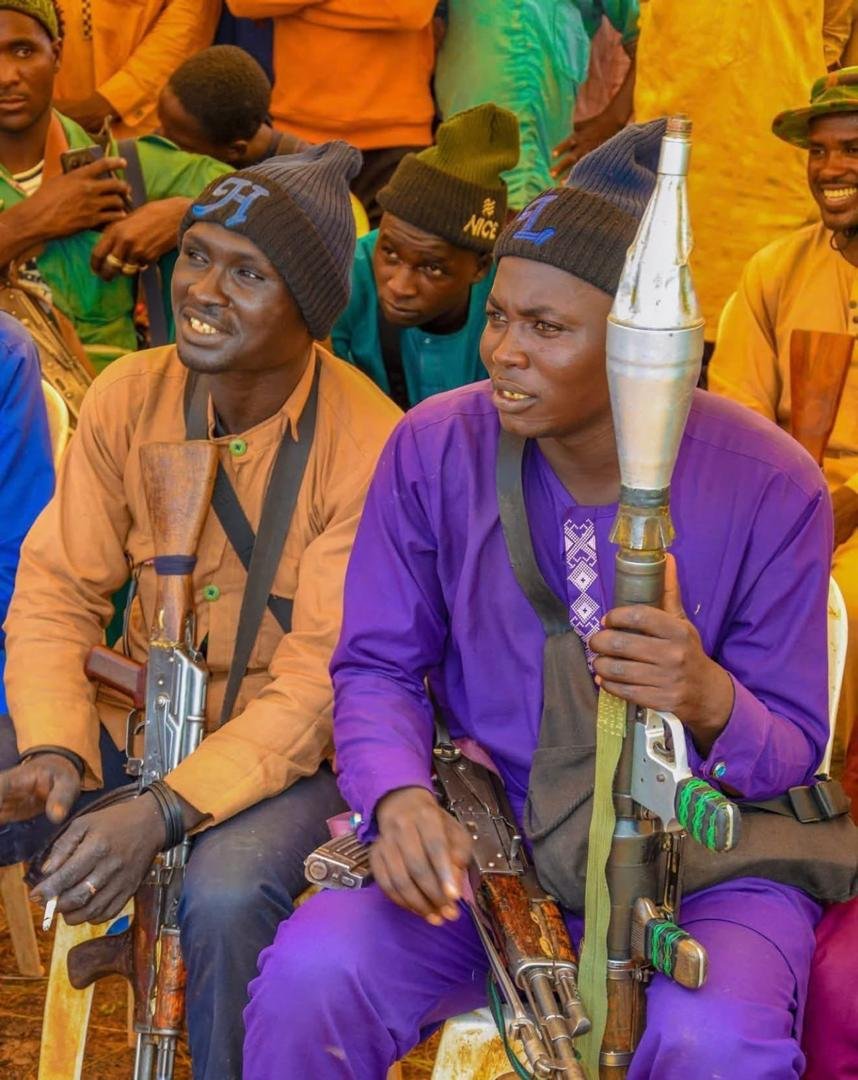
Nigeria’s security crisis has evolved into a structured shadow market. Between July 2025 and June 2026, 7,825 individuals were abducted nationwide. That reflects a 66% surge compared to the previous 12-month period, this is according to intelligence report released by SBM Intelligence on Thursday.
The report titled “The economics of Nigeria’s kidnap industry: Locust business” confirms that total ransom extractions more than tripled, reaching N7.78 billion ($5.79 million). The violence remains deadly alongside the financial toll. At least 1,142 victims were killed during abductions within the same timeframe.
SBM Intelligence noted that “kidnapping has migrated from symptom to system: a self-sustaining ‘ransom economy’ that diverts household and corporate resources.”
“Between July 2024 and June 2025, Nigeria’s kidnap-for-ransom crisis consolidated into a structured, profit-seeking industry. At least 4,722 people were abducted in 997 incidents, and at least 762 were killed.
“Kidnappers demanded roughly ₦48 billion and secured ₦2.57 billion (about $1.66 million), showing the growing divergence between naira and dollar values as devaluation erodes purchasing power. Whereas ₦653.7 million in 2022 equated to approximately $1.13 million, the far larger sums now extracted yield only a modest rise in dollar terms, prompting criminals to inflate naira demands.” SBM noted in its report.
SBM highlighted that financial extractions remain heavily concentrated. A single Boko Haram faction, Jama’atu Ahlis Sunna Lidda’awati Wal-Jihad (JAS), captured 90% of northeastern ransom flows. They extracted roughly N7 billion across just eight operations.
Mass abductions drive operational yields, with group seizures accounting for nearly 80% of total victims. Targeting schools, rural roads, and farming communities enables armed cartels to maximize leverage and extract massive lump-sum payouts.
The security consultancy warned that this operational expansion “is crippling education and eroding public trust in the government.” School raids and transit ambushes disrupt human capital development while paralyzing regional trade networks.
Operational dynamics vary sharply by region. While the Northeast generates the largest financial extractions due to insurgent groups, the Northwest sustained the highest frequency of attacks and the largest total victim count.
This subterranean cash drain severely impacts formal markets. Household savings are depleted to cover ransom demands, rural agricultural output drops, and private real estate investment across vulnerable trade corridors continues to contract.
“Insecurity depresses agricultural output, aggravates food inflation and displacement, and continues to disrupt schooling despite fewer mass school raids. Businesses relocate or curtail operations amid extortion risks.” SDM noted.
However, under intense public pressure to curb this shadow enterprise, President Bola Tinubu issued a fresh directive to security agencies in August 2026.
He ordered the armed forces to treat kidnappers directly as terrorists and launch aggressive operations to destroy their networks, declaring: “Terror will not cow Nigeria; we will defend our people and protect our communities.”