
Nigeria’s annual headline inflation rate fell to 15.43% in July 2026, marking a second consecutive monthly decline and the lowest reading in several months.
The National Bureau of Statistics reported the figure on Monday, down from 15.91% in June and a sharp drop from 24.94% in July 2025.
Month-on-month headline inflation slowed to 1.57% from 1.66% previously. Core inflation, excluding farm produce and energy, eased to 14.97% year-on-year.
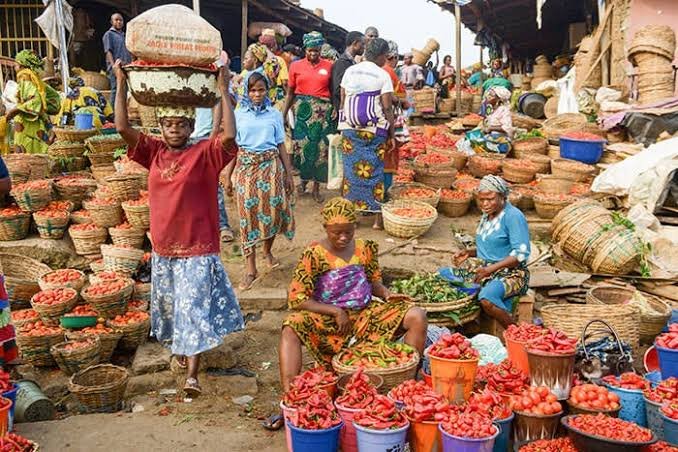
Food inflation, however, climbed to 20.31% year-on-year from 17.52% in June. On a monthly basis it accelerated to 5.56%, driven by higher prices for crayfish, onions, tomatoes, rice and other staples.
Urban inflation stood at 16.12% year-on-year, while rural areas recorded 13.77% . Month-on-month rates were 1.90% in urban centres and 0.78% in rural zones.
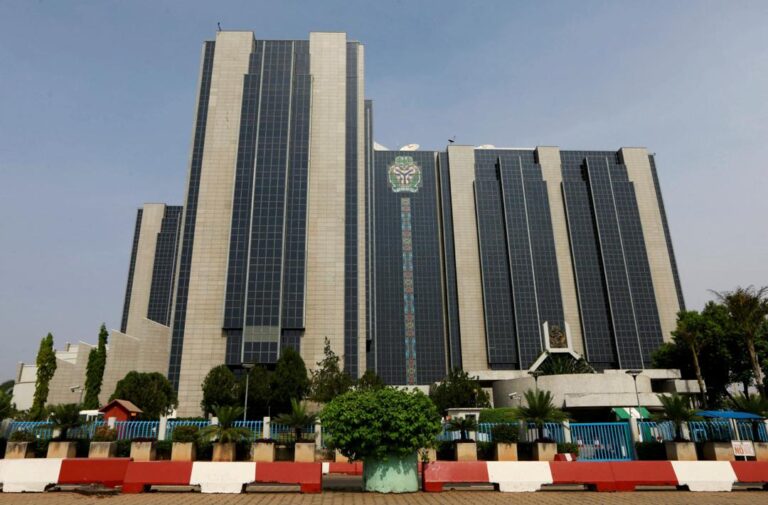
Africa’s largest economy has seen inflation retreat from peaks above 30% in prior years, aided by tighter monetary policy. The Central Bank has kept its key rate elevated at 26.50%.
International observers, including the IMF, had projected continued easing in the second half of 2026 despite external pressures from global fuel and food prices. Households still face elevated living costs as the absolute price level remains high.
The latest numbers offer cautious encouragement for policymakers balancing growth and price stability in the world’s most populous African nation.