

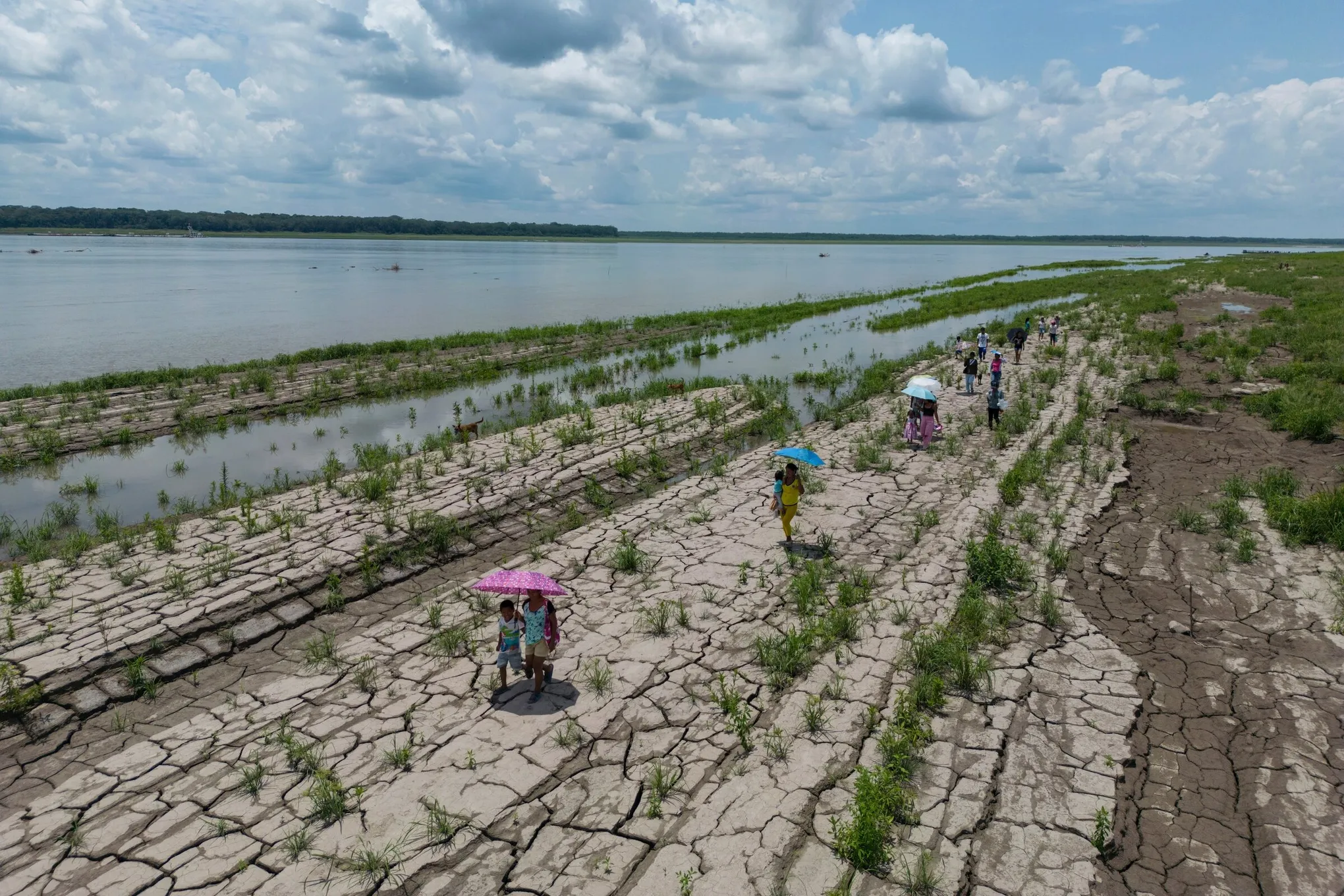
A powerful El Niño weather event could push nearly 49 million additional people into acute food insecurity across 45 vulnerable nations by the end of next year, expanding global hunger levels by 22 percent.
According to a report published Wednesday by the World Food Programme, the total number of acutely food-insecure individuals in these high-risk areas is projected to surge from 225 million to 274 million.
“These are events that in the past have triggered large-scale hunger,” said Jean-Martin Bauer, director of WFP’s Food Security and Nutrition Analysis Service, warning of severe impending droughts and weather disruptions.
Climate models indicate an 81 percent probability of a very strong event. Central America faces an 83 percent spike in acute hunger, while Southern Africa expects a 75 percent increase in food insecurity.
Latin America and the Caribbean, alongside Southern Africa, could each see over 12 million more people facing severe food deficits. Asia and the Pacific expects an additional 8.2 million acutely hungry individuals.
While global food markets entered this cycle on stable footing after strong harvests, ongoing conflict in the Middle East and weather-driven crop losses threaten to drive localized food prices significantly higher.
Compounding the crisis, donor funding cuts from U.S. and European nations reduced WFP household monitoring surveys from 1.1 million to 800,000, severely limiting early-warning tracking capabilities.
In response, the agency has activated anticipatory action programs across 18 vulnerable nations, delivering early cash and resource assistance to over 1.3 million people before full-scale climate shocks strike.