Energy markets calmed Tuesday after the Trump administration’s long-promised “economic D-Day” against Iran resulted in broad secondary sanctions warnings rather than immediate enforcement actions, signaling a tactical delay in financial penalties.
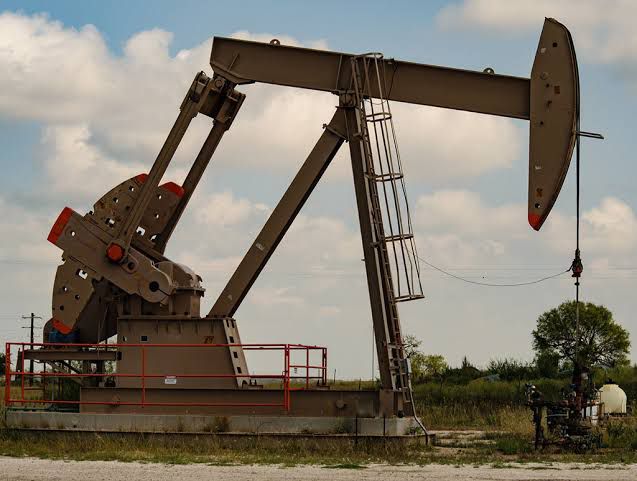
Global benchmark Brent crude futures stabilized at $92.08 a barrel after dipping 0.1%, while U.S. West Texas Intermediate edged 0.1% higher to $85.09, according to market data.
The modest movements followed a sharp 2% overnight sell-off triggered when the U.S. Treasury Department stopped short of levying specific economic sanctions against foreign third parties.
Treasury Secretary Scott Bessent unveiled “Operation Economic Outcast,” giving international banks and trade partners a timeline grace period to cut ties with Tehran’s energy, digital asset, gold, aviation, and shipping sectors or lose access to the U.S. dollar system.
Traders read the lack of immediate targeted enforcement against key buyers like China as a temporary reprieve from severe energy supply disruptions.
The policy shift comes amid escalating regional instability, where six months of tension and military exchanges have significantly disrupted Gulf shipping routes and dropped traffic through the vital Strait of Hormuz to three-month lows.
Tehran responded aggressively to Washington’s ultimatum, with Iranian security officials warning of “seismic” military and maritime retaliation against any neighboring state or global partner complying with American enforcement.
While Iran’s domestic economy suffers under severe inflation and a record-low rial, analysts note that failure to enforce penalties leaves the market balancing supply threats against actual diplomatic action.