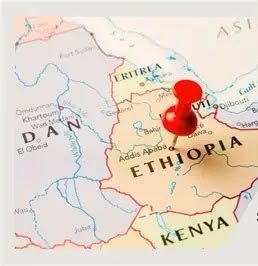
Ethiopia, one of Africa’s fastest-growing large economies, is back at war. Fighting that resumed in late September has broken the 2022 Pretoria Agreement, sent Tigrayan forces into Afar and Amhara, and put the Djibouti trade corridor — 96.7% of the country’s external cargo — inside the conflict zone.
The IMF’s July 2026 review of Ethiopia’s Extended Credit Facility projected real GDP growth of 9.2% in fiscal 2025/26, easing to 7.8% the year after. World Bank and later consensus tracks put 2026 closer to 7%. Either figure is well above the sub-Saharan average of roughly 4%.
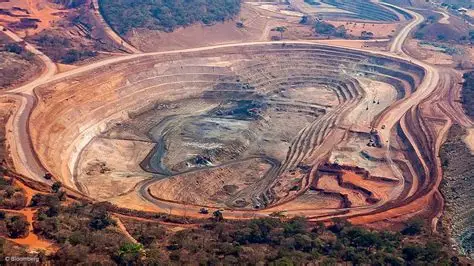
Goods exports reached a record $10.7 billion in the year to July 2026, up from $3.8 billion two years earlier, after the local currency (birr) was floated in July 2024. Gold brought in about $5.5 billion and coffee about $3 billion, together roughly 78% of receipts.
On 20 September, seven armed groups formed the Ethiopian Peoples’ Forces Alliance for Survival, aiming to remove Prime Minister Abiy Ahmed. Three days later Tigrayan forces seized the airports at Mekelle, Axum and Shire and advanced into Afar and Amhara, federal officials and Reuters reported.
Federal forces later said they had retaken Alamata; diplomatic sources described opposition units pulling back. Rebels have held ground in Afar.
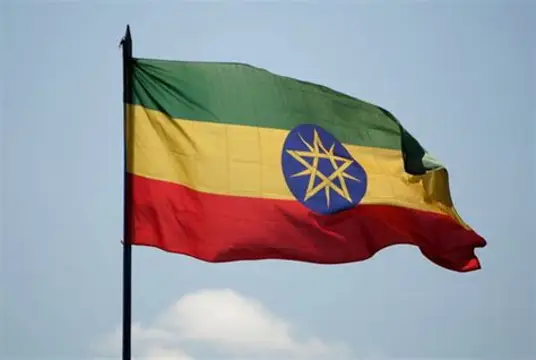
This account reflects reporting through 30 September. No fresh comment from both sides.
The commercial exposure is immediate. The Ministry of Transport said Djibouti handled 17.57 million tonnes of Ethiopian cargo in 2025/26, including 15.93 million tonnes of imports and 4.23 million tonnes of fuel.
Berbera, Tadjourah and the Mombasa–Moyale route together took less than 4%. Road haulage carried about 80% of freight; the Ethio-Djibouti railway most of the rest. A break on the Afar stretch would hit fuel, fertiliser, factory inputs and exports at once.
Power is almost as concentrated. Ethiopian Electric Power generated 35,671 GWh in the year to July 2026, up 21%, with the Grand Ethiopian Renaissance Dam supplying 51.5%. The dam remains the center of the unresolved Nile dispute with Egypt.
The balance sheet was already strained. The IMF’s July debt analysis put public and publicly guaranteed debt at 50.5% of GDP at end-June 2025, and external debt at 31.8%. Ethiopia is still classed in debt distress and is negotiating with bondholders.
Inflation has not settled: the Fund looked for an average near 12%, while some later readings stayed in the mid-teens. It projects a current-account deficit of about 2.5% of GDP, manageable only if exports and the corridor hold.
The 2020–2022 war killed hundreds of thousands and displaced millions, on standard humanitarian estimates. In this round, Doctors Without Borders said it received more than 700 war-wounded in Tigray from 22 to 25 September. Army casualty claims in Amhara are unverified. Independent conflict monitor group, ACLED (Armed Conflict Location & Event Data) has logged repeated drone strikes since 22 September.
Growth of 7–9% assumes the Djibouti route stays open and the reform programme holds. The September offensive has already removed the first of those assumptions.