
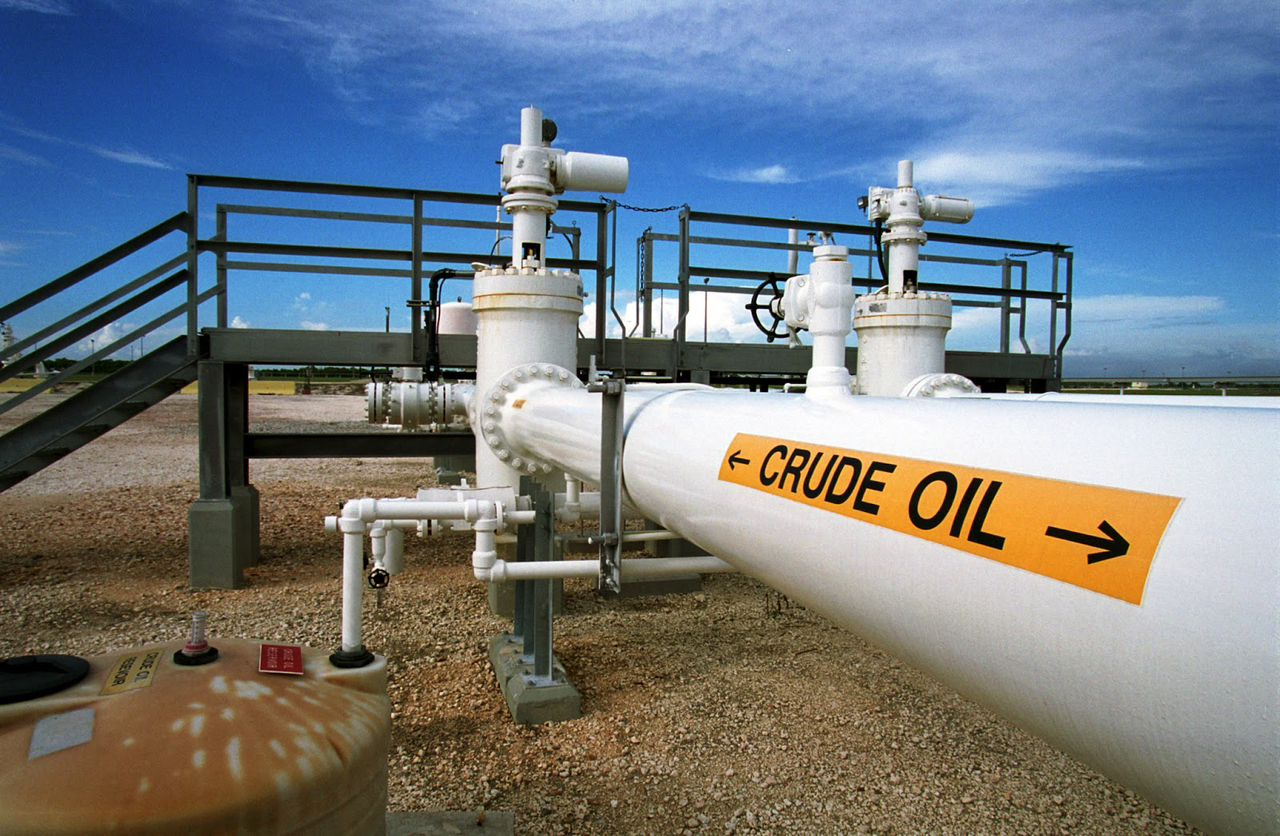
Global crude oil prices edged lower in early Asian trading on Monday as expanding Middle Eastern exports and strategic reserve releases by Group of Seven nations bolstered physical supplies.
According to energy market trading reports, Brent crude futures dropped 66 cents, or 0.65%, to trade at $101.59 a barrel.
West Texas Intermediate crude similarly fell 95 cents, or 1.03%, to $90.12 a barrel, reflecting immediate market relief following coordinated international interventions.
The market downturn follows a joint initiative by G7 economies to release emergency oil stocks, aiming to stabilize global energy distribution channels and curb inflationary pressures.
Concurrently, elevated export volumes from key Middle Eastern producers helped ease short-term physical availability concerns across major refining hubs in Europe and Asia.
However, price losses remain constrained by severe geopolitical friction in the Middle East, where military clashes involving U.S., Israeli, and Iranian forces threaten critical energy infrastructure.
Traders remain heavily focused on potential supply bottlenecks through the Strait of Hormuz, a maritime corridor handling nearly 20% of global petroleum consumption.
Crude benchmarks have maintained an elevated baseline above $90 in recent weeks as geopolitical risk premiums offset broader concerns regarding slowing global economic growth and high interest rates.