
Deutsche Bank AG has expanded its frontier foreign exchange monitor to include key African economies, signaling surging global institutional interest across the continent amid expectations of local currency appreciation.
The Frankfurt-based multinational lender revealed in a market note that regional currencies remain significantly undervalued, making local-currency assets increasingly attractive for international carry-trade investors seeking high risk-adjusted returns.
The tracking puts Nigeria’s naira alongside Angola’s kwanza and Ghana’s cedi. Deutsche Bank noted these economies have performed strongly, backed by high real interest rates and expanding foreign reserves.
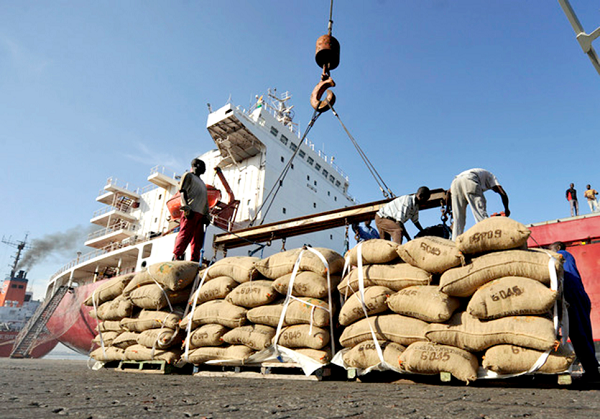
Favorable global commodity cycles have strengthened current account positions across all three jurisdictions, with elevated crude oil prices bolstering Nigeria and Angola while firmer gold prices support Ghana’s fiscal buffers.
The inclusion highlights broader regional momentum following FTSE Russell’s formal reclassification of Nigeria to Frontier Market status, which restored institutional investor access and sparked renewed interest in sub-Saharan African fixed-income instruments.
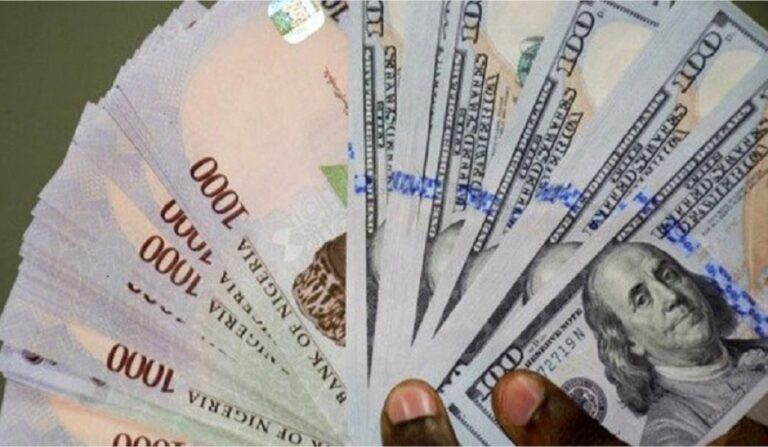
Nigeria leads currency performance within the group, appreciating nearly 8% this year to rank among global top performers while stabilizing at N1,329 per dollar in official markets.
Simultaneously, Ghana’s cedi and Angola’s kwanza secured prominent listings on the monitor, backed by aggressive macroeconomic stabilization programs and sustained commodity export inflows.
However, Deutsche Bank identified domestic fiscal supply pressures as the principal short-term risk across these markets, pointing specifically to heavy fourth-quarter government debt issuance calendars and expanding fiscal spending.
The expanded monitor positions these African currencies for elevated transaction volumes, provided regional debt managers effectively absorb fiscal supply without disrupting domestic yield curves.