
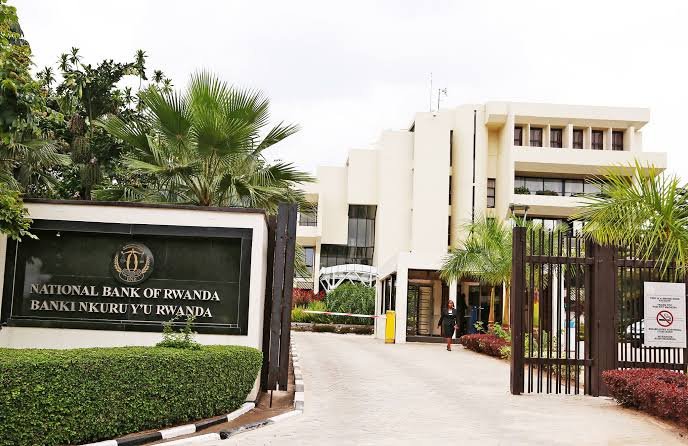
Rwanda’s central bank raised its benchmark lending rate by 75 basis points to 9.5% on Thursday, marking its fourth consecutive hike this year to combat runaway consumer prices.
National Bank of Rwanda (BNR) Governor Soraya Hakuziyaremye announced the decision in Kigali, pushing borrowing costs to their highest level since late 2009.
Headline inflation accelerated to 19.5% year-on-year in October, up from 17.2% in September and far exceeding the bank’s 2% to 8% target range.
Data from the National Institute of Statistics shows food and non-alcoholic beverage prices surged 28.9% annually, while energy costs jumped 36.3%.
Core inflation, excluding fresh food and energy, reached 11.5% in October, signaling broad-based price pressures across the East African economy.
Policymakers also raised the required reserve ratio for commercial lenders from 5% to 7% to drain excess banking liquidity.
“The Monetary Policy Committee stands ready to adjust policy if inflationary pressures intensify beyond our projections,” Hakuziyaremye said, raising the 2026 average inflation forecast to 14.4% from 13.1%.
Aggressive tightening follows earlier hikes in February, May, and August as authorities balance price stability against robust economic expansion.
According to World Bank data, Rwanda’s gross domestic product expanded by 9.7% in the first half of 2026, fueled by a 15.5% surge in construction-led industrial output.
The central bank projects inflation will begin easing in the second quarter of 2027, returning within its target band by year-end.