By: ThinkBusiness Africa
The United Nations has issued a serious warning that Africa’s most populous nation, Nigeria, is descending into its worst hunger crisis in over a decade. At the launch of the 2026 Humanitarian Needs and Response Plan on Thursday, officials revealed that nearly 35 million people, including 3 million children, are at risk of severe malnutrition and starvation.
The announcement comes as global aid budgets for the region have effectively “collapsed,” forcing international agencies to drastically scale back life-saving operations.
The UN’s Humanitarian Coordinator in Nigeria, Mohamed Malick Fall, said the UN can now only aim to provide aid to 2.5 million people this year—a sharp drop from the 3.6 million reached in 2025.
The World Food Programme (WFP) warned that it will be forced to limit assistance to just 72,000 people in February, down from 1.3 million during last year.
Fall noted that the 2026 plan requires $516 million, yet historical shortfalls suggest only a fraction may be realized. Last year’s appeal received only 24% of its required funding.
“These are not statistics. These numbers represent lives, futures, and Nigerians,” Fall stated during the launch. “We have no choice but to focus only on the most life-saving interventions.” He said.
Nigeria’s current food crisis is fueled by insurgent attacks in the Northern part of the country. Over 4,000 civilians were killed in the first eight months of 2025 alone, matching the total for all of 2023. This has forced 3.5 million people to flee their farms.
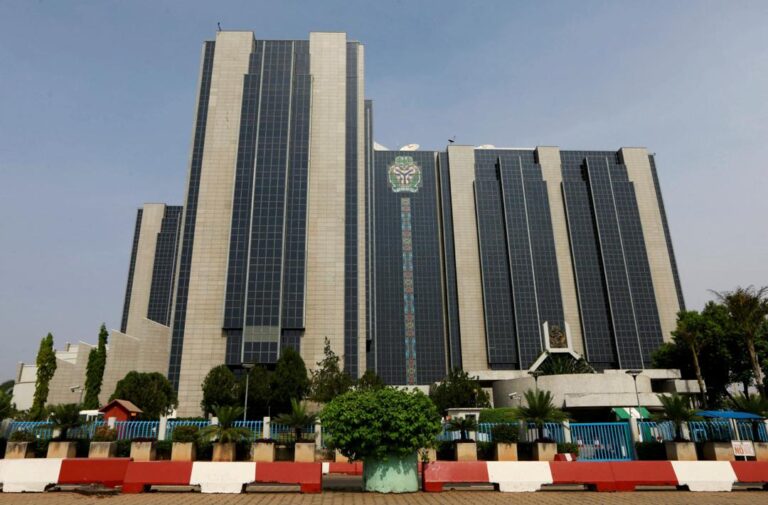
While the Central Bank of Nigeria projects inflation to moderate to 12.9% later this year from 15.5% in December 2025; the effect of insecurity will likely jeopardize food production, pushing food prices beyond the reach of the average citizen.
With international aid shrinking, the UN is calling for a “Humanitarian Reset.” The goal is to transition from a foreign-led aid model to one led by the Nigerian government by 2028.