
Nigeria’s private sector borrowing climbs 1.6% amid sectoral rebound
By: ThinkBusiness Africa
Borrowing by Nigeria’s private sector recorded a vital end-of-year lift, climbing to N75.8 trillion in December 2025. The 1.6% month-on-month increase from November’s N74.63 trillion signals a tactical rebound in lending as businesses capitalized on easing monetary signals to fund a surge in late-year economic activity.
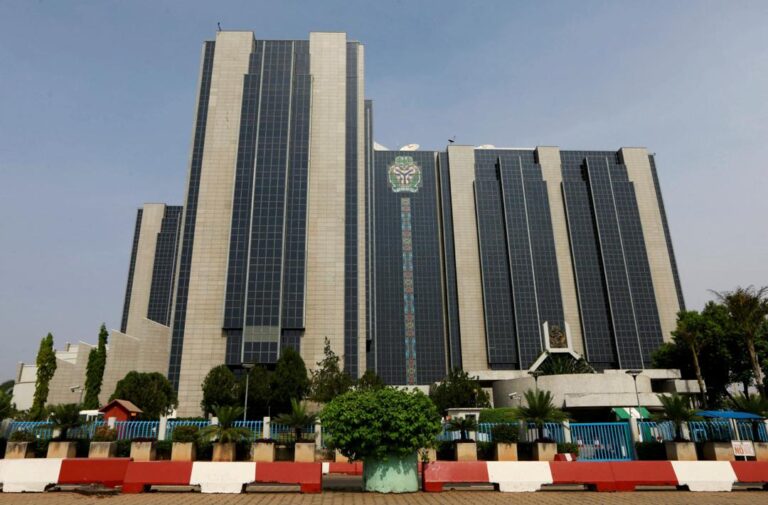
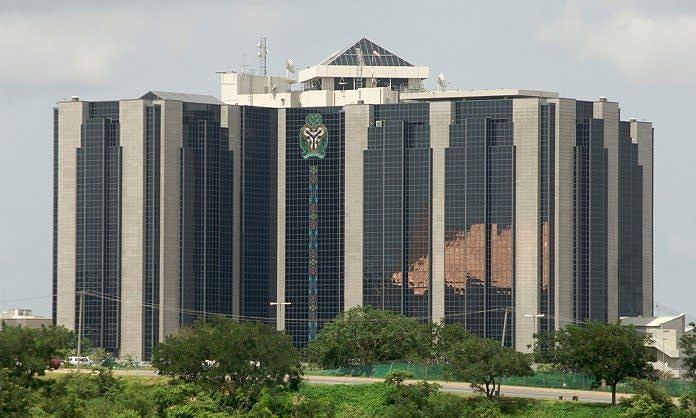
According to the latest “Money and Credit Statistics” from the Central Bank of Nigeria (CBN), the N1.17 trillion injection marks a turning point after a volatile year. Private sector credit had plummeted to a yearly low of N72.52 trillion in September, but the tide began to turn following the CBN’s strategic decision to cut the Monetary Policy Rate (MPR) to 27% late in the third quarter.
The recovery in borrowing was mirrored by a significant jump in productivity. The CBN’s Composite Purchasing Managers’ Index (PMI) hit 57.6 points in December—the strongest momentum in five years.
Leading the rebound, the agricultural sector posted a PMI of 58.5 points. Lending was driven by a push for mechanization and crop production, which reclaimed its status as Nigeria’s largest GDP driver in late 2025.
The industrial sector followed closely with a PMI of 57.0 points. Credit availability improved for small businesses and large private corporations, as firms ramped up inventory and capital investments for the 2026 fiscal year.
While the volume of credit is rising, the landscape remains complex. The Q4 2025 Credit Conditions Survey revealed that while banks are more willing to lend, they are also grappling with higher default rates among households and businesses.
The data also highlights a massive 29.5% surge in credit to the government, raising concerns about the continued “crowding out” of private firms despite the month’s gains.
Analysts note that while the December figure is a win for short-term momentum, the private sector is still playing catch-up. The N75.8 trillion total remains 2.8% lower than the N78.02 trillion recorded in December 2024.
Other top African economies recorded higher private sector borrowings. South Africa maintained a steadier growth trajectory throughout 2025, reaching a year-on-year high of 7.79% by November.
Unlike Nigeria, which saw a net contraction over the full year, South Africa’s credit growth was bolstered by an improved fiscal outlook and a rebound in gross fixed capital formation.
However, Nigeria’s PMI (54.0) outperformed South Africa’s (48.8) in late Q4, suggesting that while South African banks were lending more, Nigerian businesses were potentially more active in terms of output and new orders.
The rebound suggests that the CBN’s shift toward a more accommodative stance is beginning to filter through the banking system, providing a “liquidity cushion” for a private sector that spent most of 2025 in a high-interest-rate chokehold.