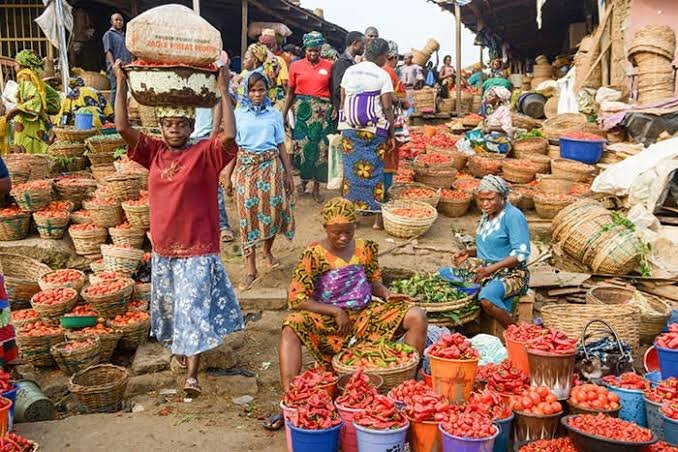

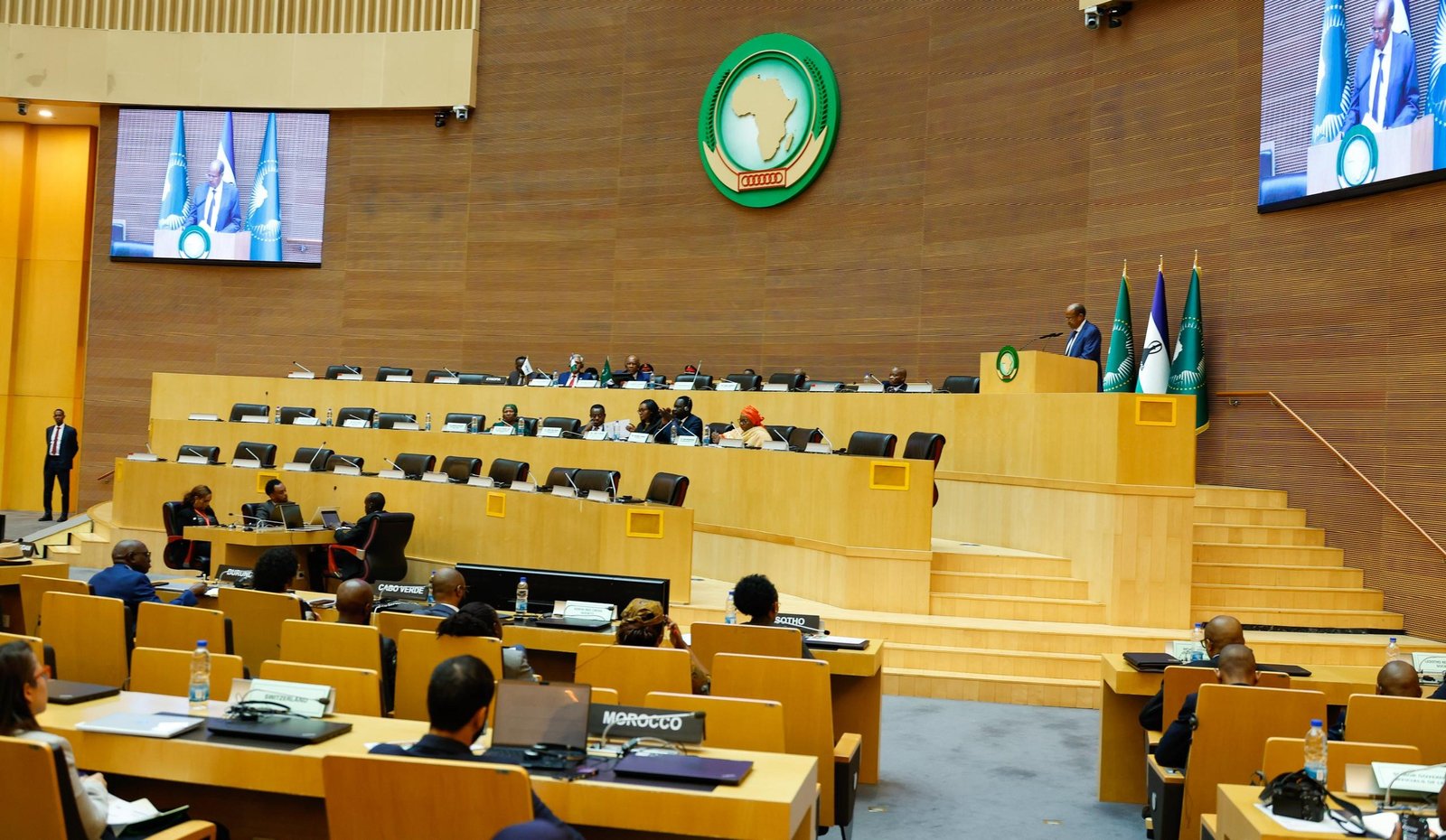
African Union Commission Chairperson Mahmoud Ali Youssouf reaffirmed the continent’s drive for resilient agrifood systems at a high-level convening in Addis Ababa on Tuesad, co-organised with the International Federation of Red Cross and Red Crescent Societies (IFRC).
According to the African Union’s official account and related statements, Youssouf highlighted the Kampala CAADP Declaration (2026-2035) as the framework to transform agriculture, strengthen food security and position Africa as a global food basket through collective action and good governance.
The declaration, adopted in Kampala in January 2025, sets targets including a 45% rise in agrifood output by 2035, a 50% cut in post-harvest losses, tripling of intra-African agrifood trade, and raising locally processed food to 35% of agrifood GDP.
It also commits to mobilising $100 billion in public and private investment by 2035, allocating at least 10% of annual public expenditure to agrifood systems, achieving zero hunger across member states, and reducing stunting, wasting and overweight by 25% each.
Recent FAO data show Africa remains the region with the highest absolute number of undernourished people at about 309 million in 2025, or 20% of the population, while 56.6% face moderate or severe food insecurity and 66.6% cannot afford a healthy diet.
The convening, co-convened with Lesotho’s King Letsie III as AU Nutrition Champion, aimed to align country priorities with partner investment, scale locally led solutions and move beyond short-term humanitarian responses amid climate shocks and conflicts.
On the sidelines, Youssouf and IFRC Secretary-General Jagan Chapagain discussed climate-resilient agriculture, intra-African trade under the AfCFTA, value-chain strengthening and use of technologies such as artificial intelligence to boost productivity and resilience.
Implementation challenges persist: many countries have historically fallen short of the 10% public spending target dating to the 2003 Maputo Declaration, while AUDA-NEPAD officials have stressed the need to translate Kampala pledges into budgets and national plans.
The event forms part of broader efforts under Agenda 2063 and the Pan-African Initiative Towards Zero Hunger, with expected outcomes including an Addis Ababa Communiqué on coordinated investment and follow-up actions to deliver measurable results for communities.