

Egypt Signs Landmark $202 Billion Real Estate Deal With Talaat Moustafa Group

The Egyptian government has executed a landmark agreement with Talaat Moustafa Group Holding (TMG) worth 11 trillion Egyptian pounds ($202 billion) to develop, build, and operate four mixed-use megaprojects. The Egyptian Presidency disclosed the agreement in an official statement issued on Tuesday during Egypt Forum 2026, confirming that President Abdel Fattah El-Sisi witnessed the formal signing ceremony. Spanning roughly 36 million square meters, the developments include the 5-million-square-meter North Madinaty expansion east of Cairo, valued at EGP 3.2 trillion ($58.8 billion). Additional sites feature an 11.3-million-square-meter West Alexandria project worth EGP 1.3 trillion ($23.9 billion) and an 11-million-square-meter industrial and logistics hub in Abu Qir valued at EGP 5 trillion ($92 billion). The final development is a premier North Coast resort spanning 10 million square meters with investments estimated at EGP 970 billion ($17.8 billion), modeled on TMG’s existing coastal developments. TMG Chief Executive Officer Hisham Talaat Moustafa projected that the public-private partnership will generate EGP 2.4 trillion ($44.1 billion) in tax revenues and create 6 million direct and indirect jobs. The deal follows Egypt’s broader push to leverage private sector partnerships, build foreign reserves, and expand infrastructure, coming shortly after TMG’s $21 billion SouthMed project launch on the Mediterranean coast.
Dangote Fuel Surge Reverses Atlantic Trade as Nigeria’s European Exports Jump 767%
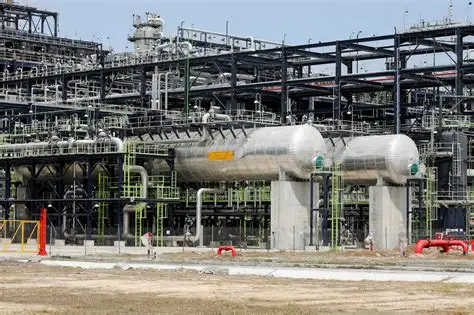
Nigeria’s seaborne refined petroleum exports to Europe surged by nearly 767% to 130,000 barrels per day (b/d) in the second quarter of 2026, up from just 15,000 b/d recorded in 2023. Data released by the U.S. Energy Information Administration (EIA), based on Vortexa shipping analytics, confirms that expanded output from the 650,000 b/d Dangote refinery is rapidly reshaping historic Atlantic Basin trade flows. Overall Nigerian refined fuel exports reached 350,000 b/d in Q2 2026, rising dramatically from an annual average of 46,000 b/d in 2023, while intra-African shipments climbed to nearly 120,000 b/d. Concurrently, domestic seaborne deliveries surged to 211,000 b/d, driving down national petroleum imports from 400,000 b/d in 2023 to under 130,000 b/d, solidifying the nation’s transition toward domestic energy self-sufficiency. “Products shipments expanded notably twice: first after operations at Dangote began and again following the completion of maintenance and expansion in February 2026, coinciding with supply constraints out of the Strait of Hormuz.” EIA noted in its report. The supply expansion follows the successful completion of debottlenecking and maintenance operations at the Lekki mega-refinery in February 2026, which unlocked full operational capacity across its distillation and secondary processing units. This operational milestone follows official central bank data showing Nigeria’s gross foreign exchange reserves crossed the $52 billion threshold, bolstered by reduced foreign exchange outflows previously allocated toward offshore fuel imports. European refiners now face tightening margin pressures as high-spec Nigerian gasoil and gasoline compete directly for market share across Northwest Europe and the Mediterranean basin.
Nigeria’s Water Problem Is Also a Bankability Problem
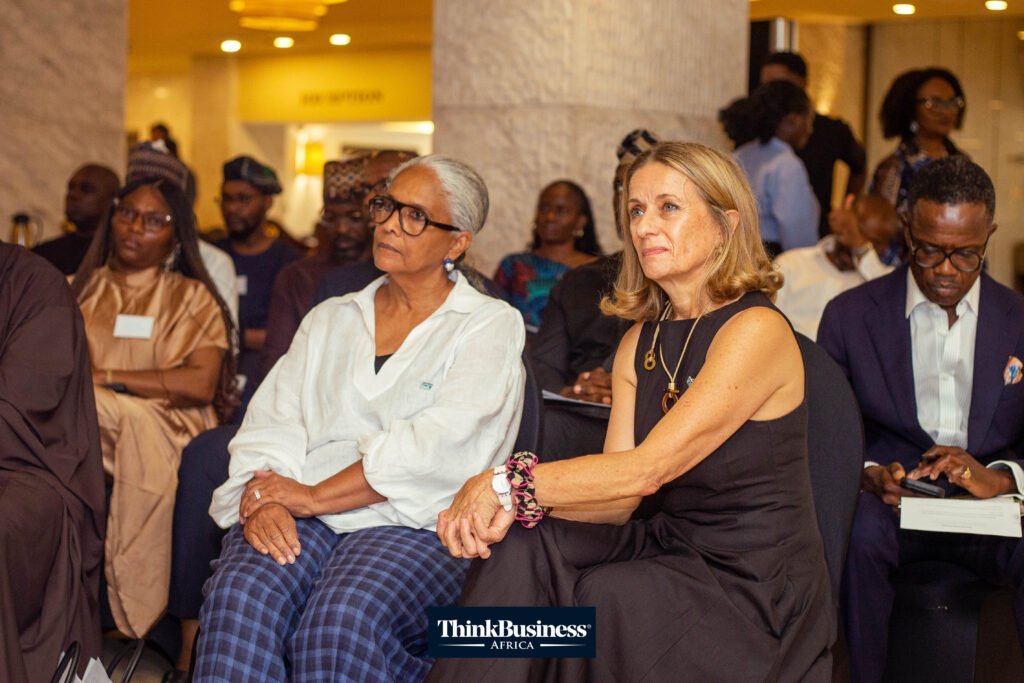
At the Lokoja Dialogues in Lagos, investors and water developers argued that Nigeria does not merely need more money for water. It needs projects that money can actually invest in. For years, the standard diagnosis of Nigeria’s infrastructure problem has been simple: there is not enough money. The inaugural Lagos dialogue of Lokoja Dialogues suggested a more complicated answer. In the water sector, at least, the problem may be that Nigeria has not yet built enough investable projects. That distinction could determine whether the country’s enormous water infrastructure deficit becomes an economic burden or an investment opportunity. Aminu Umar-Sadiq, Managing Director of the Nigerian Sovereign Investment Authority, made clear that capital can be mobilised for water — but only when projects are properly prepared, structured and governed. His institution is already developing financing mechanisms involving guarantees, project preparation facilities and viability-gap financing. But perhaps the most revealing contribution came from private water developer Norbert Shelsuk. His message to investors was blunt: a government guarantee does not automatically make a water project bankable. The three problems investors must solve Shelsuk identified three critical components for successful water projects. First is the offtaker — someone credible who will purchase the water. Second is the tariff — a pricing structure that allows the project to recover its costs. Third is development capital — the money required to take a project from an idea to something that financiers can actually assess and fund. The third problem is particularly important. Infrastructure investors typically prefer projects that are already sufficiently developed to allow them to assess risks, costs, revenues and returns. But getting to that stage itself requires money. Engineeringstudies, environmental assessments, lega; work, financial modelling, governmnet engagements, and land and technical costs all costs money. The paradox is that investors often want a bankable project before providing the money needed to make it bankable. Shelsuk said his own project has been in development since 2014, illustrating the time and cost involved in moving a major water project through the development process. That is not merely a financing problem. It is a project-preparation problem. The NSIA model Umar-Sadiq explained that the authority is combining project-preparation support with viability-gap financing, financing facilities and guarantees to make large infrastructure projects capable of attracting capital. The objective is straightforward: take projects that are economically important but commercially difficult, improve their structure, reduce risks and create a pathway for private capital. NSIA is also involved in the Green Guarantee Company, established alongside international partners. According to Umar-Sadiq, the facility had recently attracted an additional $30 million, bringing its capitalisation to $130 million and enabling it to provide guarantees of up to $4 billion. That points towards an important evolution in infrastructure finance. Government and development institutions do not necessarily need to fund the entire cost of water infrastructure. They can instead help de-risk projects sufficiently for institutional and private investors to participate. The tariff dilemma But finance cannot solve a business model that does not work. And water pricing remains one of the sector’s most difficult questions. Shelsuk challenged the conventional understanding of affordability. He argued that Nigerians are already paying significant amounts for privately supplied water, even while formal public tariffs remain insufficient to support investment. The argument raises an uncomfortable question: Is cheap formal water actually expensive for Nigeria when it results in unreliable service, private household spending and underinvestment in infrastructure? The answer requires more than simply raising tariffs. A commercially viable water market must also protect vulnerable consumers. That suggests the policy challenge is not simply to subsidise water. It is to design subsidies intelligently. Damilola Ogunbiyi, the Special Representative of the Secretary General for Sustainable Energy for All and Co – Chair of UN – Energy, speaking during the dialogue, offered an example from the electricity sector. Under a decentralised energy model, she explained, government can support private providers through targeted subsidies while ensuring that subsidies are tied to actual delivery and measurable connections. The lesson for water is potentially significant. Instead of subsidising inefficient systems indefinitely, government could support verified service delivery, while allowing private operators to build sustainable businesses around it. The carbon opportunity Another layer of the investment equation is emerging through carbon markets. Umar-Sadiq argued that Nigeria’s environmental projects can potentially generate carbon credits that attract hard-currency investment — but only where the regulatory framework gives investors confidence about ownership and monetisation. The Lokoja Dialogues chairman, Olu Adeosun, took the argument further. He pointed to the possibility of combining properly designed borehole projects with carbon-credit mechanisms. The logic is that replacing firewood use with cleaner water systems can reduce pressure on forests and potentially generate environmental value. This turns a basic water intervention into something potentially capable of attracting multiple forms of financing. The opportunity is to structure water, climate, infrastructure, carbon, and community development together. The NSIA investment test The final question, of course, is whether NSIA itself sees water as investable. In an interview after the session, Umar-Sadiq was unequivocal. NSIA has an infrastructure fund, he said, and water is one of its focus sectors alongside healthcare and agriculture. If opportunities emerging from Lokoja Dialogues meet NSIA’s bankability criteria, the authority would be willing to co-invest. And what determines bankability? His answer is revealing: “Well prepared, well managed, well governed” projects with a clear offtake and capacity to scale. That may be the central lesson from Lagos. Nigeria does not simply need more water projects. It needs a pipeline of well-prepared, commercially structured and investment-ready water projects. The opportunity is potentially enormous. But the money will not come simply because the need is enormous. It will come when Nigeria can demonstrate that solving the water problem can also produce sustainable economic value.
South African Inflation Eases to 4.3% as Middle East Tensions Threaten Rebound
South Africa’s headline consumer price index (CPI) decelerated to 4.3% year-on-year in July 2026, dropping from 5.0% in June to mark its first cooling trend in five months. Data released Wednesday by Statistics South Africa showed monthly inflation slowed dramatically to 0.2%. The drop was anchored by falling pump prices, softer utility rate hikes, and a historic dive in food costs. Transport inflation plummeted to 8.9% after month-on-month petrol and diesel prices dropped 7.1% and 11.7%, respectively. That shifted annual fuel inflation down to 20.6% from June’s 34.3% spike. Food and non-alcoholic beverage inflation dropped to 0.9% year-on-year. This represents the lowest level for the category in over 16 years, heavily suppressed by falling staple cereal and beef valuations. Municipal electricity tariffs increased by a moderate 8.1% in July—below 2025’s 10.4% baseline. Water adjustments similarly eased to 10.2%, capping broader housing and utility contributions at a manageable 5.2%. The overall cooling brings headline inflation safely below the South African Reserve Bank’s preferred 4.5% midpoint. It gives policymakers operational breathing room ahead of upcoming monetary policy committee rate decisions. However, international trade analysts warn this relief could be short-lived. Renewed military escalations between the U.S. and Iran have pushed global crude benchmark prices higher since the survey period closed. Rising Brent crude futures threaten to re-ignite domestic supply chain pressures rapidly. Analysts caution that rising import costs could force energy prices upward before year-end, quickly eroding emerging household savings.
South African Court Overturns Suspension of $183 Billion State Asset Manager Chief Executive
A South African high court has declared the precautionary suspension of Public Investment Corporation (PIC) Chief Executive Officer Patrick Dlamini unlawful and invalid, ordering his immediate reinstatement to lead the state asset manager. According to a Gauteng High Court judgment, the board acted beyond its powers (ultra vires) by bypassing mandatory statutory procedures and failing to obtain required ministerial approval. Handing down the ruling, Judge Mandla Mbongwe stated, “None of these prerequisites were met. The board acted unilaterally, without ministerial approval, and in disregard of its own policies.” The judge added that while whistleblower protections safeguard informants, they do not confer suspension powers on the board, nor can internal guidelines override binding statutory and contractual provisions. The court also dismissed intervention applications by third parties and ordered the board to pay Dlamini’s legal expenses, including the costs of two counsel on Scale C. The ruling resolves weeks of leadership turmoil at the state-owned institution, which manages over R3 trillion ($183 billion) in government pension funds and public assets across key economic sectors. Dlamini was suspended on July 13 following whistleblower allegations. However, the court warned that executive disruption risked profound harm to the national economy, creating potential sovereign rating risks. Despite his legal victory, Dlamini returns as the Financial Sector Conduct Authority conducts regulatory inquiries, while separate litigation involving a R900-million damages claim remains pending against him.
Global Economic Order Is Changing; Africa Needs to Trade More with Itself – Cardoso
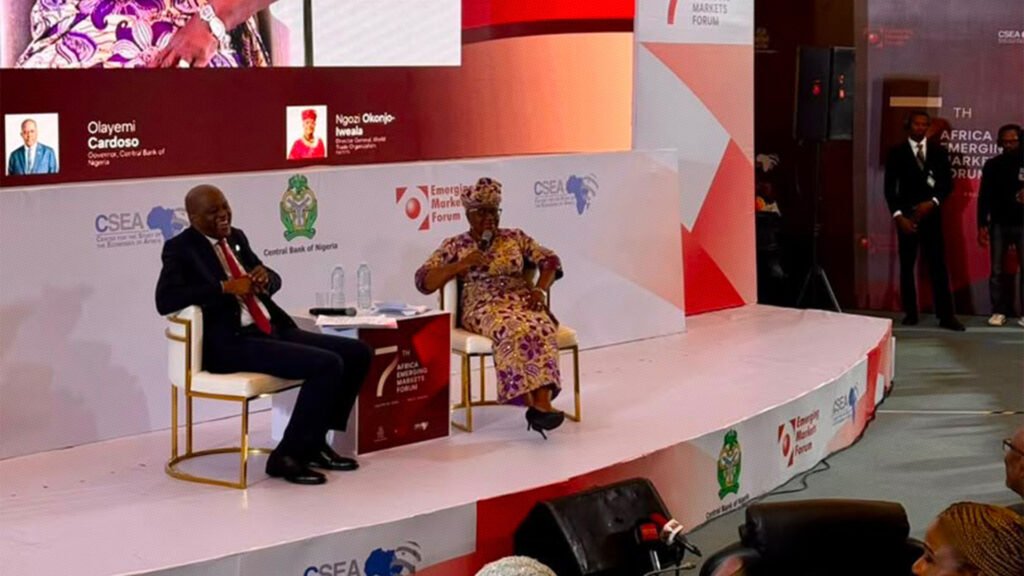
Governor of the Central Bank of Nigeria (CBN), Olayemi Cardoso, has warned that the global order is fast changing and Africa needs to see opportunity in the crisis and diversify its market inwardly by trading more with itself through the African Continental Free Trade Area (AfCFTA). The Apex Bank Chief made the call on Wednesday while delivering a keynote address at the 7th Africa Emerging Markets Forum co-hosted by the CBN in Abuja, under the theme “Building Resilience Amidst Geoeconomic Uncertainty.” He emphasized that the global system, which has historically shaped economic development, is currently undergoing significant changes, necessitating a strategic response from African nations. “For Africa this change is both a warning and an opportunity. With Intra African trade still Accounting for 16% of our total trade we must build stronger regional value chains, Produce more of what we consume and trade more with one another.” Cardoso said. “The African Continental Free Trade Area (AfCFTA) provides the platform and the opportunity to turn this global shift to an African advantage,” he added; while also urging the removal of barriers within the AfCFTA, which include transportation, customs, and implementing faster cross-border payments. Still on the global changes, Cardoso emphasized that capital has become “selective and impatient” and should be channeled towards “productive domestic investments.” Despite the continent’s vast market potential, intra-African trade remains among the lowest in the world, accounting for roughly 14% to 16% of Africa’s total global trade volume, a stark contrast to Europe’s 68% and Asia’s 59%. Supply Chains insight from WTO DG, Dr. Ngozi Okonjo-Iweala Dr. Ngozi Okonjo-Iweala, Director-General of the World Trade Organization (WTO), during a fireside chat with the CBN Governor, said that geo-economics is leading to changes in the way supply chains are configured. She highlighted that the shipping sector and pharmaceuticals are looking for markets to diversify, and Africa needs to see the opportunity in these changes and take advantage of them. “We have built up an over dependency….these leading supply chain CEOs in different sectors from automobile to pharmaceuticals, even furniture are looking to diversify and that’s where we in Africa can do better to attract this supply chains.” Dr. Okonjo-Iweala said in response to the question asked by the CBN Governnor on opportunities for Africa amid changing global landscape. She highlighted that Africa should be able to attract critical mineral supply chains linked to renewable energy, like lithium, which is majorly processed in China and the United States for Electric car batteries. “we have some of the critical mineral and rare earth between us (referring to Nigeria) and Ghana, Guinea…all along the west African coast.” “I don’t think it should be just a country to country affairs..we need to think of sub regional supply chain.” She added. According to data from UN Trade and Development (UNCTAD) and Afreximbank, over 80% of African exports are shipped outside the continent, consisting largely of unprocessed raw commodities. Regarding African emerging markets, Dr. Okonjo-Iweala encouraged African nations to think strategically about the types of trade agreements they seek, both at the WTO level and through regional or bilateral channels, to capture more market share beyond their current low percentage of global trade. The WTO DG said the continent’s progress over the next decade will depend on leaders who are able to implement policies that will ease and support regional trade.
Africa Upstream Oil and Gas Investment Drops 45% to $37 Billion
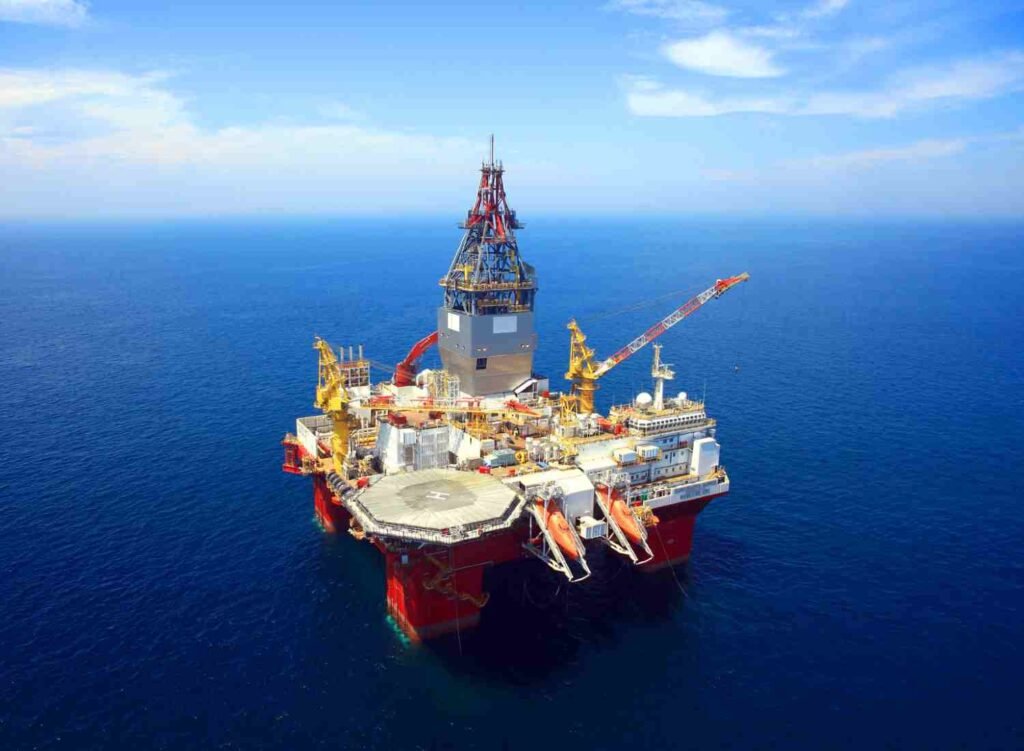
LAGOS – Africa’s upstream oil and gas capital expenditure plummeted 45.6% to $37 billion in 2025 from $68 billion in 2016, driven by a sharp contraction in mature asset developments. This was revealed by the International Energy Agency (IEA) in its World Energy Investment 2026 report, which noted that five key producers: Nigeria, Algeria, Angola, Egypt, and Libya—account for 70% of continental investment. Combined capital allocation across these five dominant nations halved from $50 billion in 2016 to $25 billion in 2025, despite broader exploration expenditure reaching $6.5 billion in 2025. Conversely, capital directed toward emerging producers such as Mozambique, Namibia, Senegal, and Uganda grew from $1.5 billion in 2016 to $5 billion in 2025, favoring capital-intensive deepwater and gas projects. Recently, the agency projects sub-Saharan upstream spending to rebound 12% to nearly $24 billion in 2026, led by offshore investments and deepwater developments in Nigeria. Total energy spending across Africa is forecast to reach $110 billion in 2026, representing just 3.3% of global energy capital despite the continent housing 20% of the world’s population.
DR Congo Ebola Outbreak Surges to 3,200 Cases as Death Toll Hits 1,405
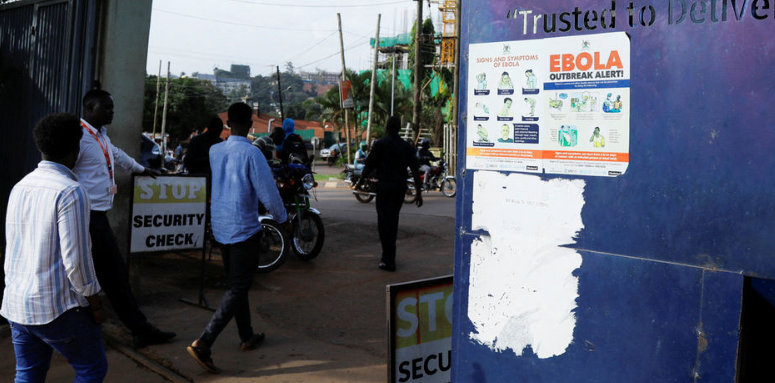
Confirmed Ebola cases in the Democratic Republic of Congo have climbed to 3,200, with total deaths reaching 1,405, official government figures released Sunday show, making it the fastest-spreading outbreak on record. Data from the National Institute of Public Health reveals infections surged by roughly 1,000 in ten days. Over a single 24-hour period, health authorities reported 125 new cases and 51 fatalities. Nearly 90% of cases remain concentrated in northeastern Ituri province. However, transmission has now reached five provinces, driven by intense cross-border movement, active insecurity, and local trade networks. The 17th national outbreak, declared May 15, stems from the Bundibugyo virus strain. Unlike the Zaire strain, Bundibugyo lacks commercially approved vaccines or licensed therapeutics, hindering response operations. Containment efforts face severe operational friction. Strikes by health workers demanding unpaid wages, physical attacks on treatment facilities, and logistically isolated terrain continue to hamper surveillance and patient care. The crisis is poised to become the second-largest Ebola epidemic in history. In response, researchers are fast-tracking clinical trials, including Oxford University launching early human trials for a candidate vaccine.
Oil Prices Plummet 4% as U.S.-Iran Hostilities Pause
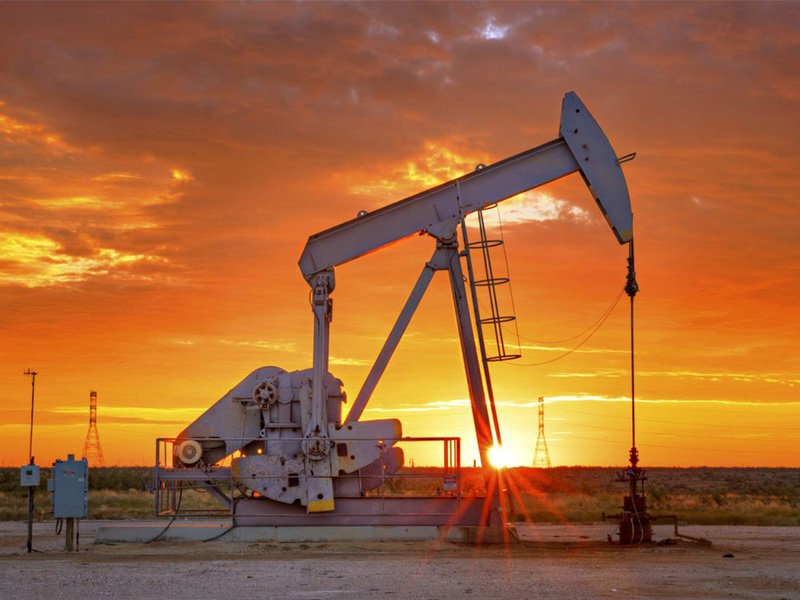
LAGOS — Global crude oil prices tumbled over 4% on Monday after the U.S. and Iran paused military strikes over the weekend, sparking hopes of diplomatic resolution and a potential resumption of Strait of Hormuz shipping. Brent crude futures fell $3.96, or 4.1%, to $92.82 a barrel after briefly breaking below the key $90 support level. U.S. West Texas Intermediate crude dropped 5.2% to $84.64 per barrel. The weekend halt in attacks followed two weeks of intensive military exchanges that had previously driven Brent crude past the $100 benchmark. U.S. officials indicated the pause allows time for backchannel diplomatic negotiations. Despite price relief, physical oil flows through key maritime chokepoints remain severely constrained. Data from analytics firm Kpler revealed fewer than 10 commodity vessels navigated the Strait of Hormuz daily over the weekend. The market pullback follows three consecutive weeks of gains fueled by Middle East supply fears. Disruptions continue to pressure global inflation and keep central banks attentive, with energy risks remaining elevated.
$70 Billion FDI and Counting: Where Investors are Stashing Money in Africa
Foreign direct investment across Sub-Saharan Africa and the wider continent reached $70 billion in 2025, driven by global demand for critical minerals, energy transition infrastructure, and supply chain realignments, UNCTAD reported. According to the United Nations Conference on Trade and Development’s World Investment Report 2026, titled “International Investment in a Turbulent Era,” this figure sits roughly one-third above the region’s long-term historical average, despite dropping 26 percent from 2024’s record peak. While total greenfield project values contracted by nearly a third, the overall number of announced deals actually increased, signaling a pivot toward smaller, highly targeted capital commitments across strategic economic sectors. Sub-Saharan Africa’s Least Developed Countries captured $33 billion of the total, with inflows heavily concentrated in copper, cobalt, lithium, and manganese reserves essential for global battery and electric vehicle supply chains. Non-Western investors led the expansion, as sovereign funds and corporate groups from the Gulf Cooperation Council and East Asia aggressively backed clean energy grids, port logistics, and industrial processing hubs. Mining countries like Guinea and Mozambique pulled significant capital into bauxite and liquefied natural gas developments, while Nigeria secured $4 billion in upstream oil, gas, and energy infrastructure project finance deals. East African tech and logistics corridors in Kenya, Ethiopia, and Uganda also attracted steady inflows, positioning Sub-Saharan hubs inside emerging global trade networks despite broader macroeconomic headwinds and elevated borrowing costs. UNCTAD cautioned that capital flows remain heavily concentrated in resource-rich nations, urging regional governments to implement local processing policies to convert raw mineral wealth into lasting, broad-based industrial growth. “Investment is also concentrating. A handful of strategic sectors — semiconductors, artificial intelligence, clean energy, critical minerals — now represent almost half of all announced greenfield projects in 2025. However, least developed and lower-middle-income countries together attract barely 10 per cent of them, against more than 20 per cent in other industries.” UNCTAD stated in its report. Breakdown of 2025 Foreign Direct Investment Inflows Across Africa Country / Region 2025 FDI Inflows (USD) Primary Key Drivers & Sectors Egypt $15.5 billion Manufacturing processing, real estate, and structural infrastructure projects Guinea $7.8 billion Major mining projects in bauxite and iron ore reserves Mozambique $5.7 billion Hydrocarbons and liquefied natural gas (LNG) developments Nigeria $4.0 billion Upstream oil & gas infrastructure project finance deals Ethiopia $3.8 billion Renewable power grid generation and manufacturing hubs Uganda $3.4 billion Energy transport corridors and critical mineral extraction Morocco $3.3 billion Industrial diversification, automotive, and green technology Kenya $3.2 billion Technology hubs, logistics corridors, and renewable energy Côte d’Ivoire $2.0 billion Agricultural processing and energy infrastructure Ghana $1.9 billion Mining, telecommunications, and industrial projects DR Congo $1.9 billion Critical minerals (cobalt and copper extraction) Tanzania $1.7 billion Natural gas, logistics, and mining ventures Algeria $1.5 billion Hydrocarbon expansion and energy transition projects Angola $1.1 billion Rebound in offshore oil & gas investments South Africa -$2.3 billion Net negative flows due to corporate restructuring and asset sale Other African Economies ~$20.5 billion Dispersed small-scale greenfield projects, agriculture, and services TOTAL (Africa Continent) $70.0 billion Regional Total (Down from $94B in 2024) Source: UNCTAD World Investment Report 2026. African Least Developed Countries (LDCs) accounted for $33.0 billion of the total.