

AfDB Approves €100 Million Loan for Africa’s First EV Battery Gigafactory in Morocco
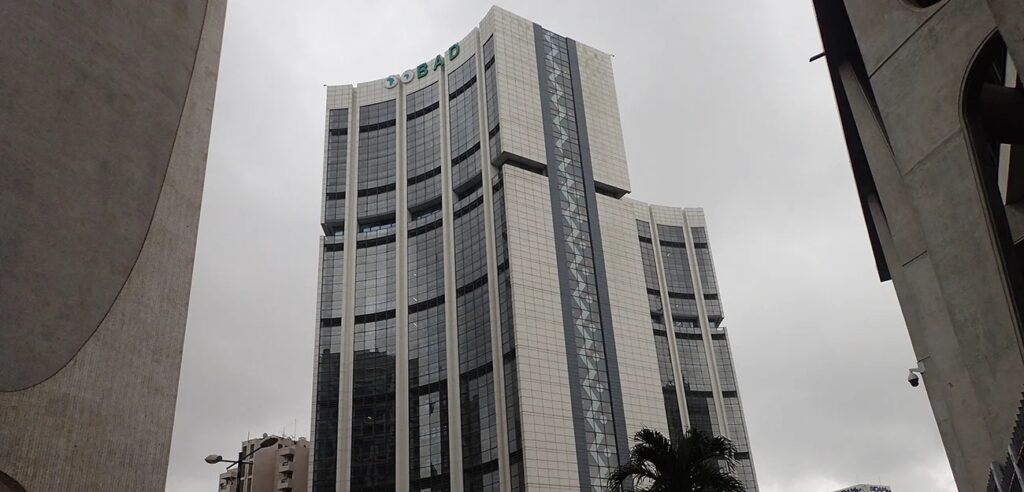
The African Development Bank approved a €100 million ($114 million) loan to Gotion Power Morocco to finance Africa’s first integrated electric vehicle battery gigafactory in the Rabat-Salé-Kénitra Free Trade Zone. According to an official statement from the Abidjan-based lender, AfDB will also mobilize €141 million in co-financing for the project, which requires an estimated initial investment of $1.3 billion. Spearheaded by China-based Gotion High-Tech, the facility will initially produce 10 gigawatt-hours (GWh) of lithium iron phosphate battery cells annually before scaling capacity to 100 GWh. The cathode-to-cell manufacturing complex is projected to create more than 600 direct green jobs in its initial phase and achieve a 70% local industrial integration rate over time. Development finance leaders highlighted battery storage as an essential link to stabilize regional power grids, accelerate renewable energy adoption, and capture value from the global green technology transition. The landmark funding positions Morocco as a primary electric mobility hub alongside regional auto leaders South Africa and Egypt, leveraging established local manufacturing ecosystems to supply burgeoning European export markets.
U.S. Hits Nigeria, 7 African Nations With 12.5% Tariff Crackdown Over Forced Labor Rules
LAGOS — The United States has slapped new Section 301 tariffs of 10% and 12.5% on dozens of global trading partners over alleged forced-labor enforcement failures, effective Friday. The duties, announced by the Office of the U.S. Trade Representative, take effect Friday. They replace temporary emergency tariffs set to expire following recent U.S. court rulings. It follows a five-month investigation by the Office of the U.S. Trade Representative into 60 primary trade partners, reviewing 2,100 public comments and consulting over 45 foreign governments. Eight African economies face the maximum 12.5% duty after U.S. officials determined they lacked domestic legal prohibitions or effective enforcement mechanisms against importing forced-labor goods into their own markets. These affected African nations are Algeria, Angola, Egypt, Libya, Mauritania, Morocco, Nigeria, and South Africa, joining major global exporters like China and Brazil in the highest tariff bracket. Seventeen other economies including Canada, Mexico, India, and the United Kingdom secured a lower 10% rate by implementing partial import bans or committing to reciprocal trade agreements regarding forced labor. Key exemptions significantly cushion the blow, as crude oil, natural gas, pharmaceuticals, and fertilizers are excluded from the new duties. This carveout buffers energy-dependent African exporters, particularly Nigeria and Angola, whose trade with Washington consists almost entirely of crude oil and natural gas shipments. The action replaces temporary tariffs after U.S. courts invalidated earlier emergency measures, forcing the administration to pivot to Section 301 statutes to establish a permanent trade foundation.
South Africa Central Bank Holds Repo Rate at 7.0% in Surprise Pause
The South African Reserve Bank unexpectedly left its benchmark repo rate unchanged at 7.00% on Thursday, defying market expectations of a 25-basis-point increase despite headline inflation hitting a two-year high of 5.0% in June. The Monetary Policy Committee voted 4–2 to maintain borrowing costs, keeping the prime lending rate at 10.50%. Only three of 20 economists surveyed by Bloomberg had correctly predicted the interest rate pause. Governor Lesetja Kganyago stated the current stance remains sufficiently restrictive. He emphasized that central bank policy aims to stabilize domestic price expectations without exacerbating weak economic growth amid recent severe global shocks. The central bank revised its 2026 inflation forecast downward to 4.0% from 4.4%, while slightly raising full-year gross domestic product growth projections to 1.4% from 1.2% as second-half recovery prospects improve. Following the unexpected hold, the rand tumbled as much as 2.5% to 16.76 against the U.S. dollar, while benchmark 10-year government bond yields surged 16 basis points to 8.96% in volatile trading. The pause follows a May rate hike triggered by escalating Middle East conflict and spiking energy prices. Policymakers remain committed to anchoring inflation at their strict 3.0% target long-term.
Airtel Africa Selects London Stock Exchange for $10 Billion Mobile Money IPO
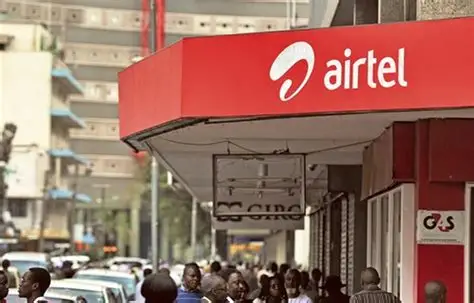
Airtel Africa PLC has selected the London Stock Exchange for the planned initial public offering of its mobile money subsidiary, Airtel Money, targeted for the second half of 2026. The transaction could value the fintech unit at up to $10 billion (£7.5 billion) and raise $1.5 billion, making it London’s largest new market debut since Wise Group PLC in 2021. Chief Executive Officer Sunil Taldar stated the London listing gives the firm access to a broad international investor base while unlocking long-term equity value from its digital payments ecosystem. The flotation was previously planned for earlier this year, but macroeconomic volatility and energy price inflation stemming from Middle East geopolitical conflicts forced executive management to adjust the listing timeline. Airtel Money’s first-quarter annualized total processed value surged 51.5% to exceed $245 billion, driven by sustained transaction volume across 14 African markets. Active subscribers expanded 23.3% year-on-year to 56.5 million, pushing quarterly mobile money revenue up 39% to $404 million while maintaining a 50.1% EBITDA margin. At the group level, Airtel Africa reported a 32% rise in pretax profit to $360 million, alongside a 31% top-line increase to $1.85 billion for the quarter ended June 30. Underwriter Citigroup is leading the investment banking syndicate, which is being expanded to structure the transaction and prepare regulatory filings ahead of the prospective H2 2026 listing date.
Oil Advances Above $92 as U.S. Attacks Iranian Targets and Houthis Threaten Shipping
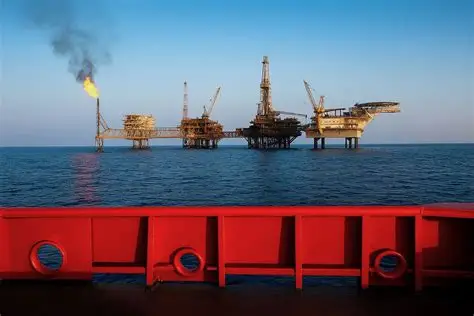
LAGOS – Global oil prices extended gains Wednesday as Brent crude rose 1.1% to $92.01 a barrel and West Texas Intermediate climbed 1.0% to $85.16 amid escalating Middle East supply concerns. The rally came after U.S. forces struck Iranian military installations, including drone facilities and operational centers, for an 11th consecutive night to counter threats against commercial maritime vessels. Shipping friction worsened as multiple oil tankers executed U-turns in the Red Sea following warnings from Yemen’s Iran-backed Houthi militia, opening a new disruption front targeting regional crude traffic. The price action extends momentum from a recent 15% weekly surge, as escalating regional blockades threaten flows through maritime chokepoints that normally carry roughly 20% of global oil supplies. Energy markets are ignoring preliminary figures showing a build in U.S. crude inventories, as traders remain focused on potential seaborne supply losses ahead of official government inventory data.
IMF: Structural Reforms Key as AI Promises 4% GDP Surge for Sub-Saharan Africa
Artificial intelligence could expand Sub-Saharan Africa’s gross domestic product by nearly 4% or 0.5% annually over the next decade, provided governments accelerate investments in basic digital infrastructure. The International Monetary Fund (IMF) revealed the projection in its departmental paper, Unlocking the Potential: AI in Sub-Saharan Africa, warning that without aggressive policy intervention, the economic dividend will shrink to 0.2% IMF characterized the lower scenario as a “rounding error,” emphasizing that current infrastructure bottlenecks threaten to widen the productivity gap between Africa and high-income economies. Severe power deficits represent the primary operational barrier, with nearly 50% of the regional population lacking reliable electricity needed to run digital hubs, computer clusters, and continuous processing centers. Internet penetration also remains severely constrained across the continent, standing at roughly 38% compared to the global benchmark of 68%, according to recent Fund data. Private sector capital is already trickling into regional hubs, highlighted by Microsoft and G42’s $1 billion geothermal data center in Kenya, alongside Cassava Technologies’ $700 million GPU deployment with NVIDIA. However, the IMF cautioned that because 5.5% of global data centers exist in Africa—concentrated predominantly in South Africa, Nigeria, and Kenya—uncoordinated expansion could deepen intra-regional economic disparities. Unlike advanced economies where policy discussions center on white-collar job displacement, Africa’s AI integration targets productivity gains across informal microenterprises, tax administration, and smallholder farming. Practical deployments, such as Kenya’s Agricultural Observatory Platform, demonstrate how real-time data analytics delivered via basic mobile channels yield actionable planting and pest management advice for rural farmers. The Fund urged policymakers to forgo building costly frontier AI models, advising regional authorities to focus on adopting existing tools, building open-access fiber networks, and expanding digital literacy programs.
Senegal Secures Double Ecowas Leadership Trump As Faye Elected Chairman
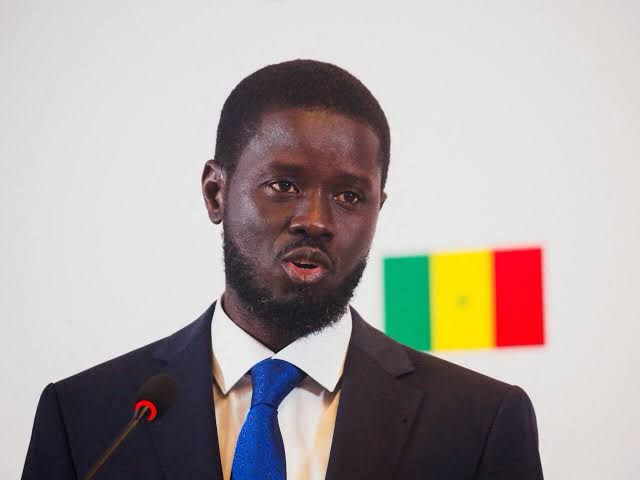
Senegalese President Bassirou Diomaye Faye was unanimously elected Chairman of the Economic Community of West African States (ECOWAS) during the 69th Ordinary Summit in Freetown, Sierra Leone on Sunday. In a historic diplomatic sweep, Senegal also secured the presidency of the executive ECOWAS Commission, with former Armed Forces Minister General Birame Diop appointed to take office on September 1. Faye immediately succeeds Sierra Leonean President Julius Maada Bio. He takes the regional helm at a critical juncture marked by persistent security crises, democratic challenges, and intense geopolitical fragmentation. The 46-year-old leader faces the immediate task of managing the formal exit of Mali, Burkina Faso, and Niger. The three breakaway states recently formed the Alliance of Sahel States. Regional counter-terrorism efforts have been severely disrupted by the Sahelian schism. Analysts expect General Diop’s extensive military defense background to be vital in restructuring West Africa’s fragile security architecture. The high-stakes Freetown summit also featured critical deliberations on economic integration. Member states advanced negotiations for a Digital Single Market and signed the Intergovernmental Agreement for the African Atlantic Gas Pipeline. Furthermore, regional heads addressed mounting external economic shocks. Leaders jointly condemned ongoing Afro-phobic attacks targeting West African migrants in South Africa, demanding immediate continental intervention. Faye, one of Africa’s youngest heads of state, is now under intense pressure. He must inject fresh institutional momentum, drive accountability, and rebuild broken diplomatic bridges across the fractured sub-region.
Toyota Launches Ninth-Gen Hilux Production With R10.4bn South Africa Investment
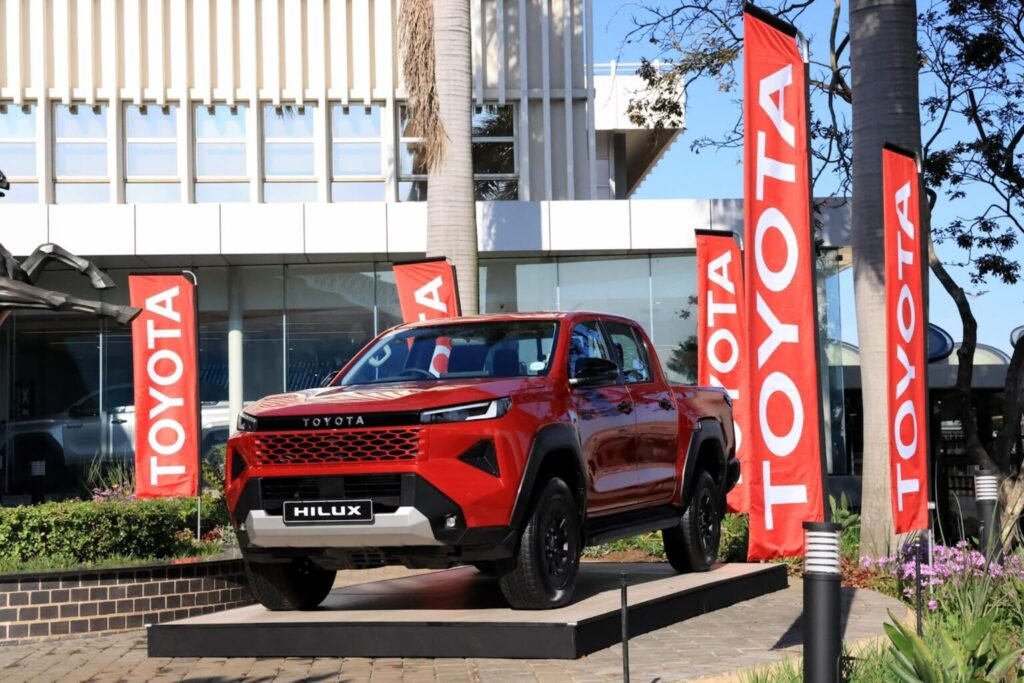
Toyota South Africa Motors has completed over 77 percent of its 10.4 billion rand ($634 million) investment program, officially launching pilot production of the ninth-generation Hilux pickup truck at its Durban plant. The milestone was marked Thursday by an official line-off ceremony at the Prospecton facility in eThekwini, with President Cyril Ramaphosa hailing the project as a major boost for the domestic economy. Once production fully ramps up ahead of the scheduled project completion in June 2027, the upgraded plant is expected to manufacture approximately 140,000 Hilux units annually for local and export markets. The automaker allocated 7.2 billion rands toward advanced robotics and tooling to prepare for the ninth-generation model, alongside 3.2 billion rands for a new parts logistics center and chassis facilities. An additional 2 billion rands was invested by local component suppliers to expand localization, reinforcing South Africa’s domestic automotive supply chain amid intensifying competition from emerging Chinese automotive brands. This massive capital injection future-proofs the Durban facility against tightening European emissions standards, safeguarding critical manufacturing capabilities as the global automotive market transitions toward cleaner mobility technologies. The investment also marks a major recovery milestone for the Prospecton plant, which previously suffered severe disruptions from the COVID-19 pandemic, July 2021 civil unrest, and devastating 2022 floods. South Africa’s automotive sector remains a critical economic pillar, contributing roughly 5 percent of national gross domestic product and supporting over 115,000 direct manufacturing jobs across the country.
Nigeria’s Inflation Eases to 15.91% in June Amid Rising Food Pressures
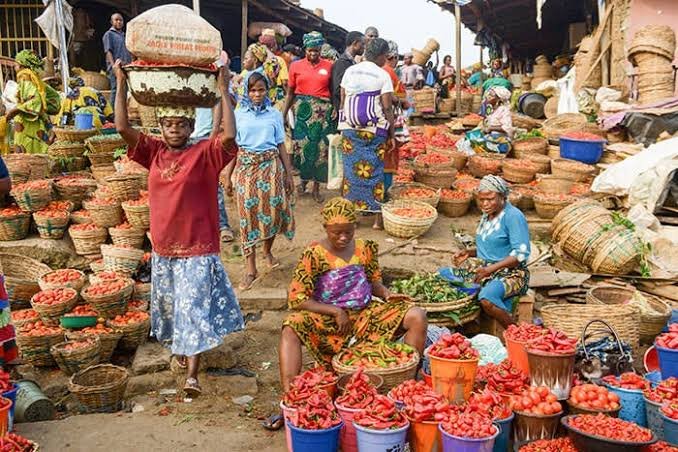
LAGOS — Nigeria’s headline inflation rate eased slightly to 15.91% in June 2026, marking a marginal decline from the 15.93% recorded in May. It is the first slowdown in three months. According to the latest Consumer Price Index report released by the National Bureau of Statistics on Wednesday, the annual inflation rate fell from 25.29% recorded in June 2025. The marginal year-on-year drop provides a brief breather for the economy. This comes ahead of the Central Bank of Nigeria’s upcoming Monetary Policy Committee meeting scheduled for late July. However, underlying pressures persist. On a month-on-month basis, headline inflation moderated only slightly to 1.66% in June 2026, compared to the 1.75% pace registered in May. The slight decline in monthly headline inflation was supported by core inflation. Core CPI, which excludes volatile farm produce and energy, slowed monthly to 1.66% from 1.94% in May. In stark contrast, food price pressures intensified. Annual food inflation rose to 17.52% in June. This represents a significant month-on-month acceleration to 3.75% from May’s 2.98%. The National Bureau of Statistics attributed the worsening food costs to average price spikes in staple items. These items include yam, beef, pepper, tomatoes, garri, and cassava flour. A sharp demographic divergence emerged in monthly trends. Urban month-on-month inflation crept up to 2.13% in June. Meanwhile, rural monthly inflation dropped to 0.52% from May’s 1.17%. On a year-on-year basis, urban inflation stood at 16.08%. This is down from 26.0% in June 2025. Rural year-on-year inflation settled at 15.48%. This year-on-year stabilization follows a turbulent period of fuel price shocks linked to Middle East geopolitical tensions. Those shocks previously pushed transport costs and energy prices upward nationwide.
Nigeria Pension Assets Jump 51% to $22.8 Billion Amid Deepening Reforms
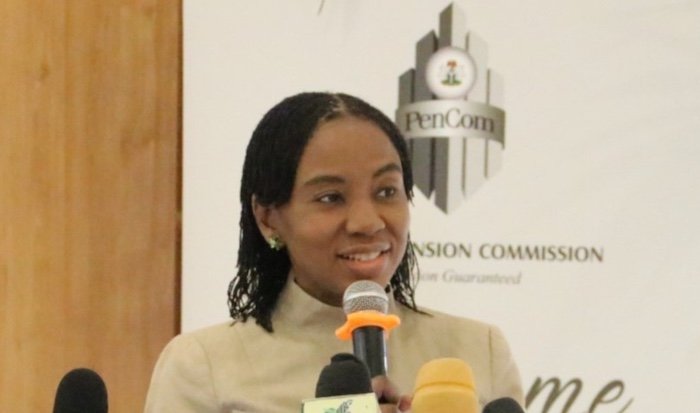
LAGOS — Nigeria’s pension assets under management surged 51% over the last two years to hit 31.48 trillion naira ($22.80 billion), the National Pension Commission announced on Tuesday. PenCom Director-General Omolola Oloworaran disclosed that the retirement assets grew from 20.79 trillion naira in July 2024, driven by stronger public confidence in the contributory pension scheme. The regulator reported that active membership in the national scheme expanded by nearly one million workers, pushing the total contributor base to 11.32 million. This massive expansion of capital has been supported by a historic 758 billion naira Federal Government bond deployed to clear backlogged pension obligations dating back to 2007. Consequently, accrued pension rights for retirees swung from a deficit of 21 months in arrears two years ago to a highly liquid 41-month surplus, PenCom confirmed. The commission has also enforced stricter service standards, mandating that all standard retirement benefit approvals must now be processed by pension fund administrators within 48 hours. To help retirees cope with persistent domestic inflation, the government approved a 32,000 naira monthly consequential adjustment to bolster payouts for eligible treasury-funded pensioners. Recent industry data reveals that pension administrators are increasingly diversifying portfolios, allocating roughly 56% of assets to government debt while expanding exposure to local equities. Infrastructure fund investments have also climbed past 312 billion naira as administrators seek higher long-term yields amidst ongoing central bank monetary tightening and market volatility.
